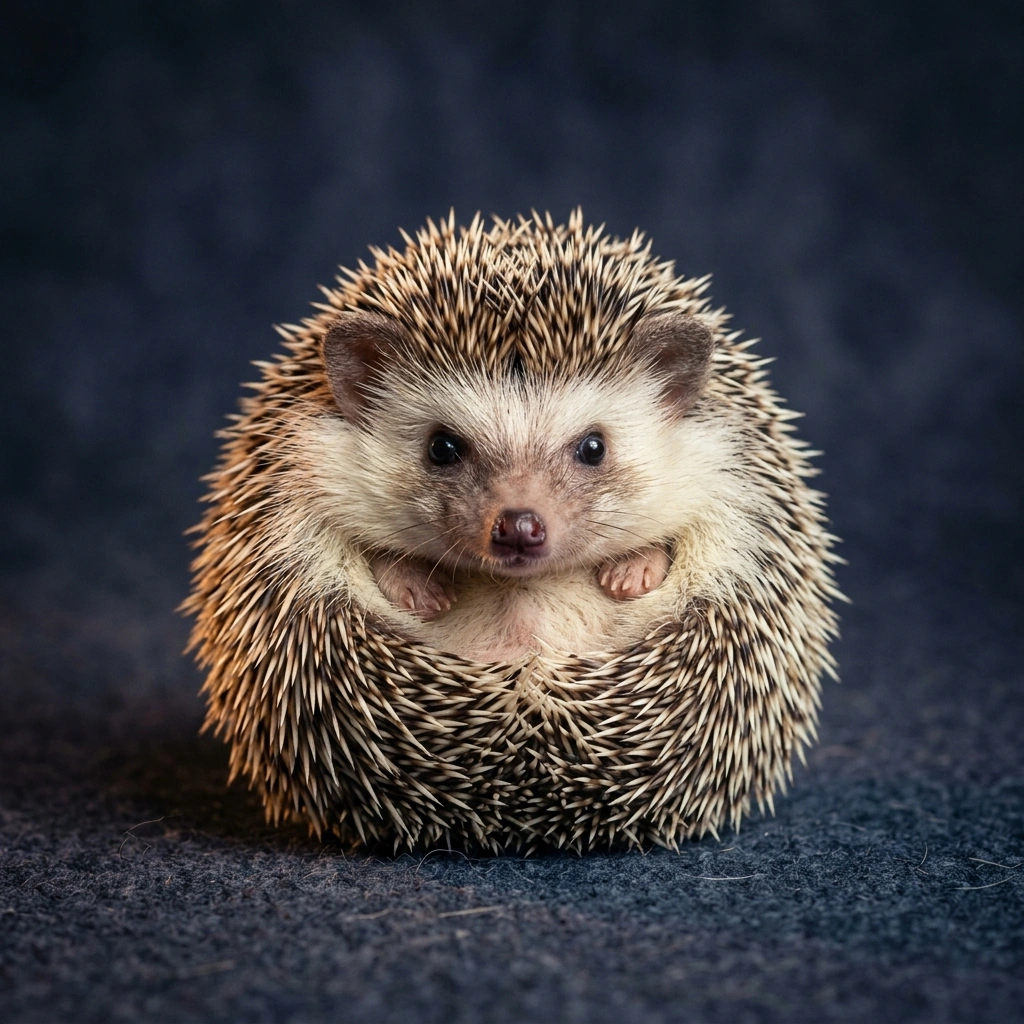
The African Pygmy Hedgehog is a quiet, fascinating exotic pet known for its twitching snout and cautious nature. Naturally shy, they rely on their quills for defense and paint foamy saliva onto their backs when encountering new scents. Furthermore, if room temperatures drop even slightly, they risk entering fatal hibernation shock (torpor). In this guide, we outline hedgehog quill behaviors, safe self-anointing handling tips, and a 3-step homecare routine to maintain 24-hour warmth and cleanliness.
Veterinary & Behavioral Evidence
This content is based on Hedgehog Welfare Society Guidelines and Exotic Animal Veterinary Protocols.
 FreshSelf
Keep pet food and supplements perfectly fresh!
FreshSelf
Keep pet food and supplements perfectly fresh!








1. African Pygmy Hedgehog Instincts: Self-Anointing Froth and Quill Defense
African Pygmy Hedgehog Instincts: Self-Anointing Froth and Quill Defense
When African Pygmy Hedgehogs taste or smell something unfamiliar, they generate foamy saliva in their mouth and spread it across their quills—a behavior known as 'Self-Anointing'. This is a normal wild instinct used to disguise their scent. Conversely, when frightened, they curl into a tight ball and emit sharp 'Hissing' sounds to warn off physical contact.
2. African Pygmy Hedgehog (Atelerix albiventris)‘s Body Language & Behavioral Signals
Self-Anointing Froth Application
A harmless wild instinct to register new environmental scents and coat their quills to camouflage themselves.
Do not interrupt them or mistake it for a neurological illness; allow them to comfortably familiarize themselves with the scent.
Hissing & Curling into a Ball (Hissing/Ball-up)
A defensive posture triggered by intense fear, raising quills to block any physical contact.
Avoid bare-hand handling. Cover them gently with a soft fleece blanket to create a dark shelter and let them settle.
3. Customized 3-Step Home Care Routine for African Pygmy Hedgehog (Atelerix albiventris)
Morning: Scrubbing Soiled Running Wheels & Dishes
Since hedgehogs naturally defecate while running on their wheel at night, clean and sanitize their wheel and dishes every morning.
Afternoon: Maintaining Room Temperatures Between 24-26°C
Prevent hypothermia and fatal forced hibernation by regularly checking heating pads and digital thermostats.
Evening: Feeding High-Protein Insect Diet & Paw Safety Checks
Provide easily digestible, high-protein insect-based kibble, and check their paws with a flashlight for any cuts caused by running on wheels.
📌 Frequently Asked Questions (FAQ)
What are the warning signs of hypothermia or forced hibernation in hedgehogs? ▼
If room temperature is too low, they lay flat on their belly, struggle to walk, feel cold to the touch, and become unresponsive. Wrap them in a warm towel immediately, place them in a warm room to elevate body temperature gradually, and seek emergency veterinary care.
Do hedgehogs need chew toys for teething? ▼
Unlike rodents, hedgehogs do not have continuously growing teeth. They do not need chew toys, and gnawing on hard objects can easily fracture their teeth. Avoid kibble that is excessively hard.