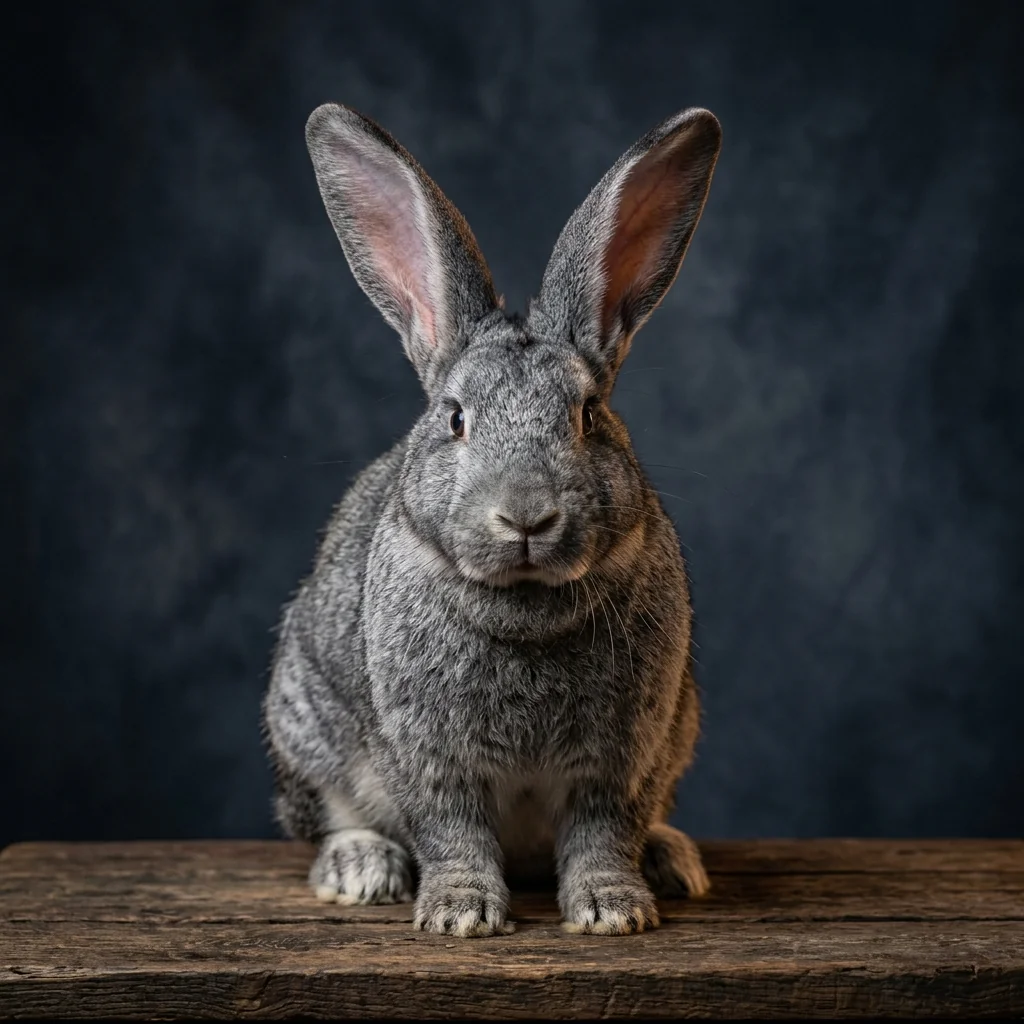
Reaching adult weights of 6 to over 10 kg, the Flemish Giant is the largest domesticated rabbit breed in the world. Often dubbed the ‘Gentle Giant’ or the ‘Maine Coon of rabbits,’ they are renowned for their calm, dog-like affection. Standard rabbit cages are entirely unsuitable for their massive size, making large exercise pens or indoor free-roaming essential. Furthermore, supplying unlimited hay to wear down continuously growing teeth and preventing joint strain and pododermatitis (sore hocks) are critical for their longevity. In this guide, we translate Flemish Giant instinctual signals and present a 3-step homecare routine for indoor roaming, gastrointestinal/dental wellness, and paw pad protection.
Veterinary & Behavioral Evidence
This content is based on American Rabbit Breeders Association (ARBA) Standards and House Rabbit Society (HRS) Clinical Guidelines.
 FreshSelf
Keep pet food and supplements perfectly fresh!
FreshSelf
Keep pet food and supplements perfectly fresh!









1. Flemish Giant Instincts: Contented Tooth Purring and Defensive Foot Thumping
Flemish Giant Instincts: Contented Tooth Purring and Defensive Foot Thumping
Flemish Giants are highly expressive animals that communicate via clear physical cues. When deeply relaxed or receiving affection, they gently rub their molars together, producing a 'Tooth Purring' sound equivalent to a cat's contented purr. Conversely, when startled, threatened, or annoyed, they stamp their heavy hind feet ('Foot Thumping') against the floor to sound an alarm.
2. Flemish Giant Rabbit’s Body Language & Behavioral Signals
Tooth Purring (Gentle Teeth Grinding)
A sign of pure relaxation, contentment, and deep trust when resting in a secure space or being gently petted.
Continue gentle head strokes and maintain a quiet, peaceful environment to sustain their comfortable mood.
Foot Thumping (Hind Leg Stomping)
An alarm or frustration signal triggered by sudden loud noises, unfamiliar odors, or perceived environmental danger.
Identify and remove the threat immediately, speaking in soft, soothing tones without attempting to force contact.
3. Customized 3-Step Home Care Routine for Flemish Giant Rabbit
Morning: Unlimited Fresh Timothy Hay & Dental/GI Checkup
Refill hay racks with clean Timothy hay to promote healthy gut motility and wear down incisors, while inspecting litter box droppings for normal GI function.
Afternoon: Padded Flooring Maintenance & Free-Roaming Exercise
Inspect non-slip padded rugs and allow supervised indoor free-roaming exercise to stretch their large muscular limbs without putting pressure on joints.
Evening: Sore Hock & Joint Inspection with Measured Pellet Feeding
Examine hind foot pads under the fur for inflammation or hair loss, and feed a measured high-fiber pellet portion to prevent obesity.
📌 Frequently Asked Questions (FAQ)
Is indoor free-roaming mandatory for a Flemish Giant Rabbit? ▼
Yes, absolutely. Due to their massive 6–10+ kg size, standard commercial rabbit cages cause spinal deformities and severe muscle atrophy. They require a spacious exercise pen (at least 2x3 meters) or a rabbit-proofed indoor free-roaming environment.
How do I prevent sore hocks (pododermatitis) in giant rabbits? ▼
Rabbits lack protective paw pads and rely entirely on fur to cushion their feet. Because of their heavy weight, wire floors or slippery tiles easily cause ulcerative pododermatitis. Covering all walking areas with thick memory foam rugs or padded fleece is essential.