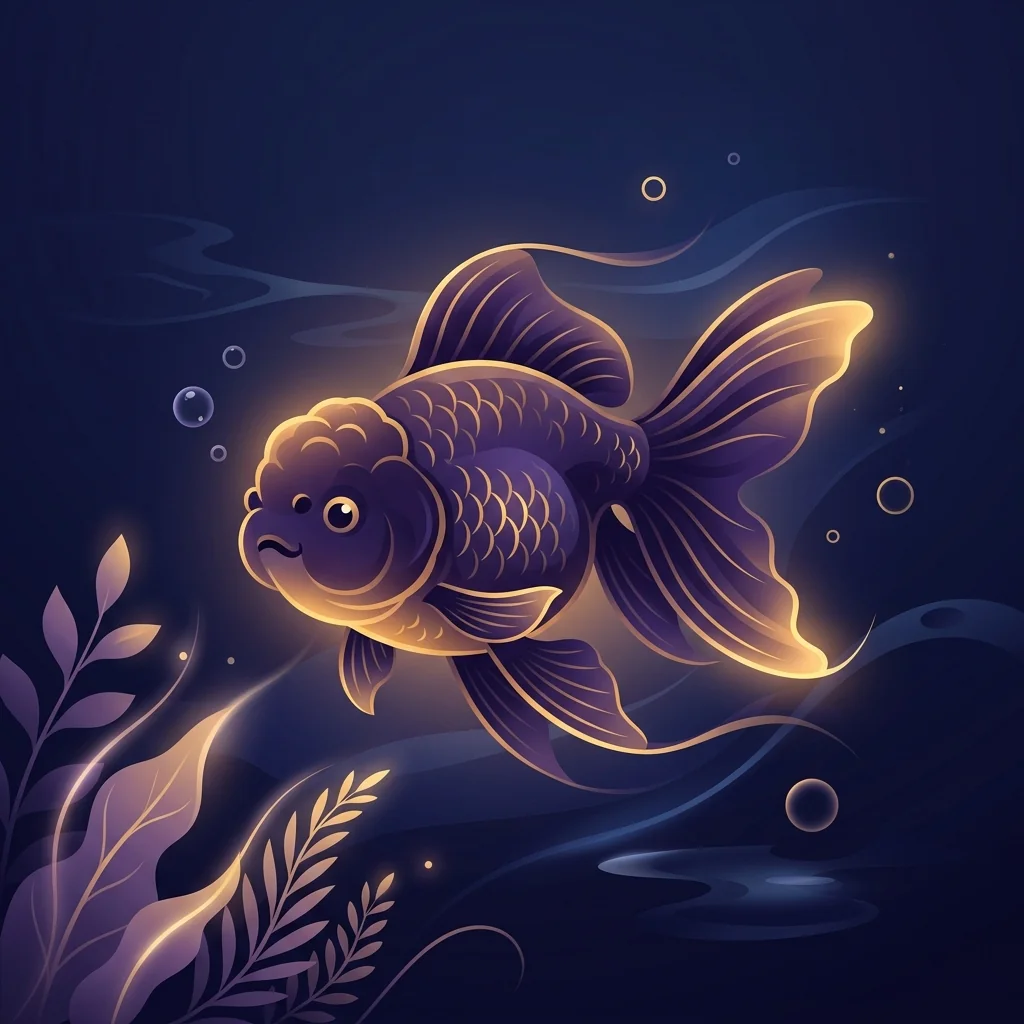
Revered as the ‘King of Goldfish’ for their rounded egg-shaped body, lack of a dorsal fin, and prominent headgrowth (Wen), Ranchu Goldfish (Carassius auratus) are iconic ornamental fish beloved worldwide. However, their highly compressed body structure leaves their internal organs compacted, making them extremely susceptible to ‘Swim Bladder Disorder’ if they gulp air while eating floating pellets or suffer from constipation. Furthermore, missing a dorsal fin makes them weak swimmers easily exhausted by strong filter currents, while their high waste output requires robust filtration to prevent ammonia spikes and bacterial infections in their delicate headgrowth. In this guide, presents a 3-step daily care routine to read your Ranchu’s signals and protect its health.
Veterinary & Behavioral Evidence
This content is based on Japan Goldfish Association (JGA) & Ornamental Fish International (OFI) Standards.
 FreshSelf
Keep pet food and supplements perfectly fresh!
FreshSelf
Keep pet food and supplements perfectly fresh!



1. Ranchu Goldfish Body Language: Surface Gulping and Swim Bladder Floating / Bottom Sitting
Ranchu Goldfish Body Language: Surface Gulping and Swim Bladder Floating / Bottom Sitting
Ranchu communicate water quality issues and physical distress through swimming posture and positioning. Thrusting their mouths at the surface to swallow air 'Surface Gulping (Pipe-lining)' is an urgent warning of depleted dissolved oxygen, rising ammonia/nitrite levels, or insufficient aeration. Conversely, lying helpless on the substrate or floating upside down at the surface 'Swim Bladder Disorder / Bottom Sitting' indicates swim bladder dysfunction, intestinal constipation, or temperature shock.
2. Ranchu Goldfish (Carassius auratus)‘s Body Language & Behavioral Signals
Gulping Air Repeatedly at the Surface (Surface Gulping)
A critical signal of low dissolved oxygen, water pollution (ammonia/nitrite spikes), or inadequate aeration.
Immediately increase aeration with an air pump, test ammonia levels, and perform a 20–30% partial water change.
Floating Upside Down or Lying Motionless on the Bottom (Swim Bladder Sign / Bottom Sitting)
Indicates swim bladder impairment caused by ingesting air with floating pellets, digestive constipation, or cold temperature shock.
Fast the fish for 1–2 days, feed deshelled cooked green peas to aid digestion, switch permanently to sinking pellets, and stabilize water temperature (18°C–23°C / 64°F–73°F).
3. Customized 3-Step Home Care Routine for Ranchu Goldfish (Carassius auratus)
Morning: Water Temp (18°C–23°C) Check & Soaked Sinking Pellet Feeding
Verify water temperature and filter operation, feeding pre-soaked sinking pellets to prevent air ingestion and swim bladder issues.
Afternoon: Filter Flow Rate Check & Water Clarity Monitoring
Adjust filter outflow to a gentle current so the slow-swimming Ranchu does not get exhausted, observing water clarity.
Evening: Siphon Waste/Uneaten Food & Maintain 8–10 Hour Sleep Cycle
Siphon out waste and uneaten food from the bottom to prevent ammonia spikes, turning off lights at night to ensure adequate rest.
📌 Frequently Asked Questions (FAQ)
Why is my Ranchu floating upside down or stuck at the surface? Is it swim bladder disease? ▼
Yes, this is classic Swim Bladder Disorder, highly common due to the Ranchu's compact body shape. It is usually caused by air ingestion from floating pellets or constipation pressing against the swim bladder. To treat it, fast the fish for 1–2 days, then feed crushed cooked deshelled green peas to promote bowel movement. Always use pre-soaked sinking pellets for daily feeding.
Can I keep Ranchu Goldfish with fast-swimming fish like Comets or Zebra Danios? ▼
No, never house them together! Ranchu lack a dorsal fin and have heavy bodies, making them very slow swimmers. Streamlined goldfish (like Comets) or fast tropical fish will easily outcompete Ranchu for food, leaving them malnourished, and may nip at their delicate headgrowth (Wen), causing severe injuries and bacterial infections. Keep Ranchu only with other Ranchu or similar fancy goldfish.