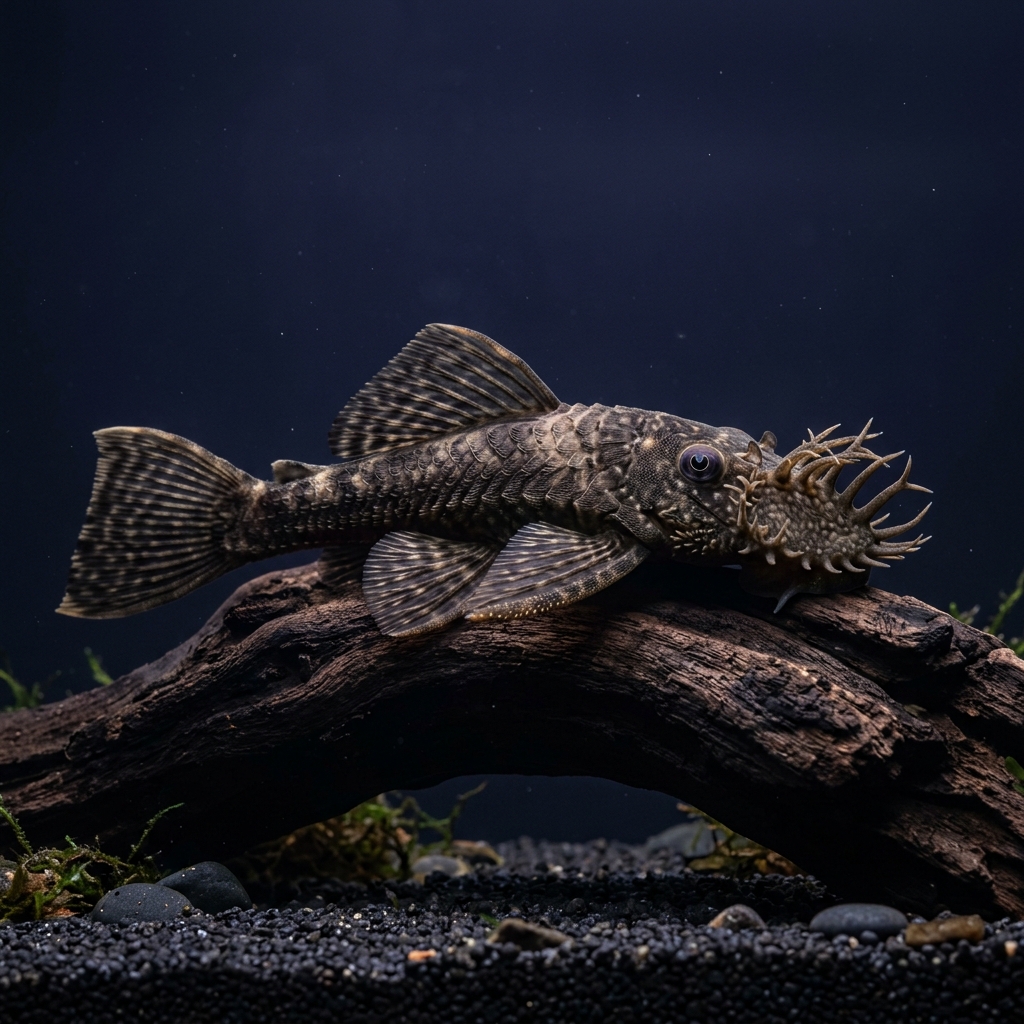
The Bristlenose Pleco (Ancistrus spp.) is a world-renowned freshwater catfish treasured by aquarists for its unmatched algae-eating efficiency and charming bushy snout. Mature males develop prominent tentacles (bristles) across their snout, setting them apart from other armored catfishes. Growing to a manageable 10–15 cm (4–6 inches), they suit small-to-medium community aquariums far better than giant common plecos. To maintain optimal gut health, providing natural driftwood is crucial, as they ingest wood fibers (lignin) required for proper digestion. Because aquarium algae alone cannot sustain them, supplementary blanched vegetables (zucchini, pumpkin, spinach) are vital. In this guide, breaks down Bristlenose Pleco behaviors and offers a 3-step daily care routine.
Veterinary & Behavioral Evidence
This content is based on World Association of Zoos and Aquariums (WAZA) & Veterinary Ichthyology Clinical Guidelines.
 FreshSelf
Keep pet food and supplements perfectly fresh!
FreshSelf
Keep pet food and supplements perfectly fresh!






1. Bristlenose Pleco Communication: Fin Spreading and Suction Grazing
Bristlenose Pleco Communication: Fin Spreading and Suction Grazing
When asserting dominance or guarding a cave, Bristlenose Plecos display 'Fin Spreading', locking their dorsal and pectoral fins fully erect. During feeding, they use their muscular suckermouth to rasp algae, biofilm, and wood fibers ('Suction Grazing').
2. Bristlenose Pleco (Ancistrus spp.)‘s Body Language & Behavioral Signals
Erect Dorsal & Pectoral Fins (Fin Spreading)
A territorial display or warning signal to rival males; ensure adequate hides and caves to reduce aggression.
Provide multiple breeding caves and driftwood structures to prevent territorial disputes between males.
Rasping Mouth Attached to Glass or Wood (Suction Grazing)
Normal feeding behavior extracting biofilm, algae, and essential lignin from driftwood; maintain dim lighting during nocturnal grazing.
Allow them undisturbed nocturnal feeding time by maintaining consistent day/night light cycles.
3. Customized 3-Step Home Care Routine for Bristlenose Pleco (Ancistrus spp.)
Morning: Water Parameter Check (23-27°C / 74-80°F) & Driftwood Inspection
Verify water temperature, filtration, and ensure natural driftwood is accessible for fiber digestion.
Afternoon: Blanched Vegetable Feeding (Zucchini/Spinach) & Cave Check
Anchor a slice of blanched zucchini or pumpkin near the bottom to prevent starvation, and check breeding caves.
Evening: Remove Uneaten Veggies & Feed Algae Wafers
Remove leftover vegetable scraps after 4-6 hours to preserve water quality, and drop sinking spirulina wafers before lights out.
📌 Frequently Asked Questions (FAQ)
Is natural driftwood mandatory in a Bristlenose Pleco aquarium? ▼
Yes, it is essential. Bristlenose Plecos require natural wood fibers (lignin) to maintain proper gut flora and digestive tract motility. Lacking natural driftwood can lead to fatal intestinal blockages or severe malnutrition.
How do I tell male and female Bristlenose Plecos apart using their bristles? ▼
Mature males develop long, branching tentacles that extend up the middle of their snout toward their eyes. Females either remain completely smooth or possess only very short, tiny bristles along the outer rim of their upper lip.