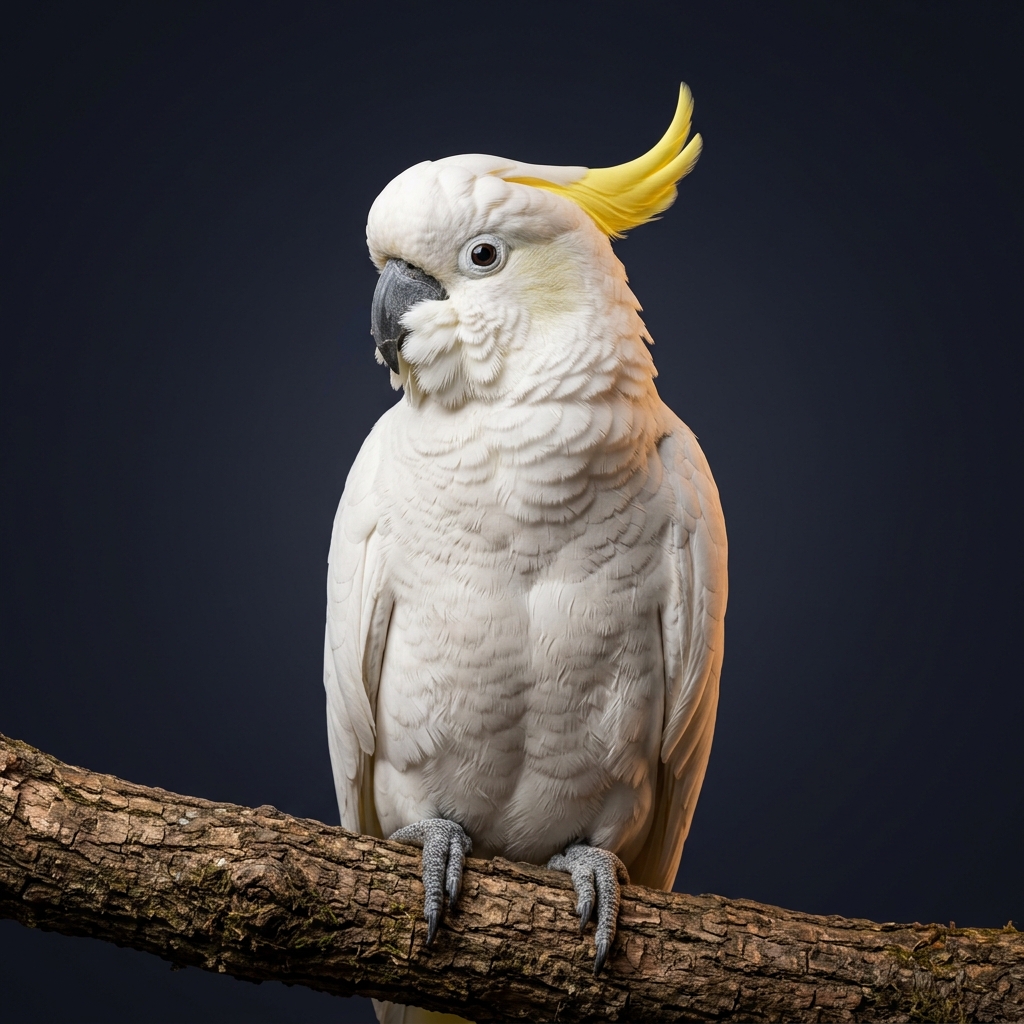
The Sulphur-crested Cockatoo is a dream pet bird renowned worldwide for its striking bright yellow crest, snow-white plumage, and exceptional emotional depth. Possessing toddler-like intelligence and intense social needs, they form profound emotional bonds with their human companions. However, their high dependency makes them vulnerable to distress, screeching, and feather-plucking (self-mutilation) if neglected. Additionally, they produce a fine white powder down for feather maintenance, requiring strict air quality control and frequent bathing. In this guide, decodes cockatoo crest language and presents a 3-step daily care routine for feather hygiene and mental enrichment.
Veterinary & Behavioral Evidence
This content is based on IUCN Bird Conservation Guidelines & Association of Avian Veterinarians (AAV) Clinical Protocols.
 FreshSelf
Keep pet food and supplements perfectly fresh!
FreshSelf
Keep pet food and supplements perfectly fresh!








1. Sulphur-crested Cockatoo Communication: Crest Positions and Emotional Signals
Sulphur-crested Cockatoo Communication: Crest Positions and Emotional Signals
Cockatoos visually communicate their mood using their yellow crest. When excited, alarmed, or overjoyed, they expand their crest into a fan shape ('Crest Erecting'). Conversely, when completely relaxed, they lower the crest flat against their head and fluff out their cheek feathers.
2. Sulphur-crested Cockatoo’s Body Language & Behavioral Signals
Fully Fan-Expanded Yellow Crest (Crest Erecting)
Indicates high arousal, intense curiosity, alertness, or exuberant joy when greeting their favorite human.
Assess the environment to remove potential threats, or speak in a soft, soothing tone to help calm their excitement.
Flattened Crest & Beak Grinding (Beak Grinding)
A definitive signal of physical contentment, safety, and readiness for restful sleep.
Dim the lights and lower ambient noise to provide a quiet, secure sleeping environment.
3. Customized 3-Step Home Care Routine for Sulphur-crested Cockatoo
Morning: Warm Mist Bathing & Balanced Pellet Feeding
Mist bathe with lukewarm water to cleanse feather powder down and reduce airborne dust. Offer a balanced diet of large parrot pellets, fresh vegetables, and leafy greens.
Afternoon: Foraging Wood Toys & 3+ Hours Out-of-Cage Bonding
Provide safe wooden destructible toys and complex foraging puzzles to satisfy beak enrichment. Ensure at least 3 hours of direct social interaction to prevent anxiety.
Evening: Feather Inspection & 12-Hour Dark Sleep Environment
Check chest and wing feathers for signs of plucking or damage. Cover the cage with a blackout cover to ensure 10-12 hours of undisturbed darkness for hormonal balance.
📌 Frequently Asked Questions (FAQ)
Is the fine white dust produced by cockatoos dander? ▼
No, it is called 'powder down'—a natural byproduct of specialized feathers used to clean and waterproof their plumage. Because it spreads easily, using a HEPA air purifier and offering regular water baths are necessary for indoor health.
How can I prevent screaming and feather plucking when I leave the house? ▼
These behaviors stem from separation anxiety due to high intelligence. Provide engaging foraging toys to keep their mind occupied while alone, and maintain a calm, neutral routine when leaving and returning rather than overly dramatic farewells.