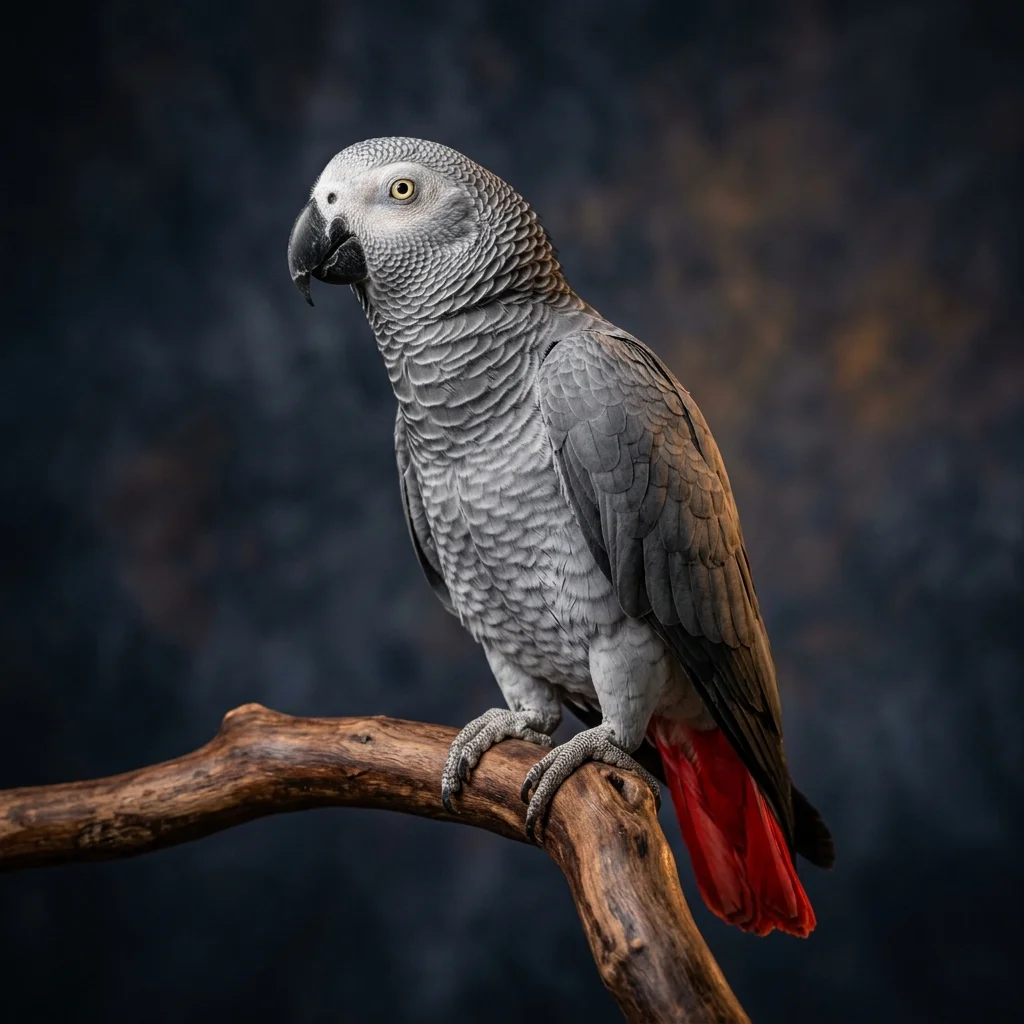
The African Grey Parrot is widely recognized as one of the most cognitively advanced birds, demonstrating problem-solving skills and vocabulary retention comparable to a 4-to-5-year-old human child. Beyond mere vocal mimicry, they can comprehend context and communicate meaningfully. However, their high intelligence makes them emotionally sensitive. Without adequate cognitive stimulation and environmental enrichment, boredom and chronic stress often manifest as Feather Damaging Behavior (FDB) or self-mutilation. In this guide, outlines African Grey behavioral cues and shares a 3-step mental enrichment routine to safeguard their psychological and physical well-being.
Veterinary & Behavioral Evidence
This content is based on Association of Avian Veterinarians (AAV) and World Parrot Trust (WPT) Clinical Guidelines.
 FreshSelf
Keep pet food and supplements perfectly fresh!
FreshSelf
Keep pet food and supplements perfectly fresh!






1. African Grey Instincts: Contextual Speech and Feather Plucking (FDB) Stress Cues
African Grey Instincts: Contextual Speech and Feather Plucking (FDB) Stress Cues
African Greys express excitement and intense cognitive focus through 'Pupil Pinning & Contextual Speech', rapidly contracting their irises while vocalizing appropriate words. Conversely, when suffering from mental boredom, emotional neglect, or routine shifts, they express severe distress through 'Feather Plucking', chewing or tearing out chest and wing feathers.
2. African Grey Parrot (Psittacus erithacus)‘s Body Language & Behavioral Signals
Pupil Pinning & Contextual Speech
Rapid contraction of pupils accompanied by situational word use, indicating cognitive engagement, excitement, and a desire to interact.
Engage in interactive vocal training, offer puzzle toys, and reward successful communication with healthy treat bits.
Feather Plucking & Over-grooming (Feather Damaging Behavior)
Repetitive chewing or tearing of chest and leg feathers, signaling emotional anxiety, environmental boredom, or sleep deprivation.
Introduce complex foraging toys, ensure 10–12 hours of dark quiet sleep, and consult an avian veterinarian.
3. Customized 3-Step Home Care Routine for African Grey Parrot (Psittacus erithacus)
Morning: Formulated Pellet Diet Feeding & UV Light Exposure
Serve a balanced nutritionally complete pellet base paired with fresh chopped vegetables (chop) and provide natural sunlight or specialized avian UV lighting for Vitamin D3 synthesis.
Afternoon: Foraging Puzzles & Cognitive Training
Provide foraging toys where food is hidden to stimulate problem-solving instincts, and practice vocabulary, color, or shape recognition exercises.
Evening: Out-of-Cage Vocal Interaction & 10–12 Hour Dark Sleep
Enjoy one-on-one bonding time outside the cage, then cover the enclosure completely to guarantee 10–12 hours of undisturbed dark sleep to prevent hormonal stress.
📌 Frequently Asked Questions (FAQ)
How should I respond if my African Grey begins plucking its feathers? ▼
Feather Damaging Behavior (FDB) is a complex medical and psychological condition. First, consult an avian veterinarian to rule out infections or deficiencies. Next, increase foraging opportunities, ensure 12 hours of strict sleep schedule, and avoid dramatic overreactions when plucking occurs.
Is an all-seed diet adequate for an African Grey Parrot? ▼
No. Seed-only diets are dangerously high in fat and deficient in Vitamin A and calcium, leading to fatty liver disease and metabolic bone disorders. Feed a high-quality formulated pellet diet (60–70% of intake) supplemented with fresh vegetables. (Note: Avocado and chocolate are strictly toxic.)