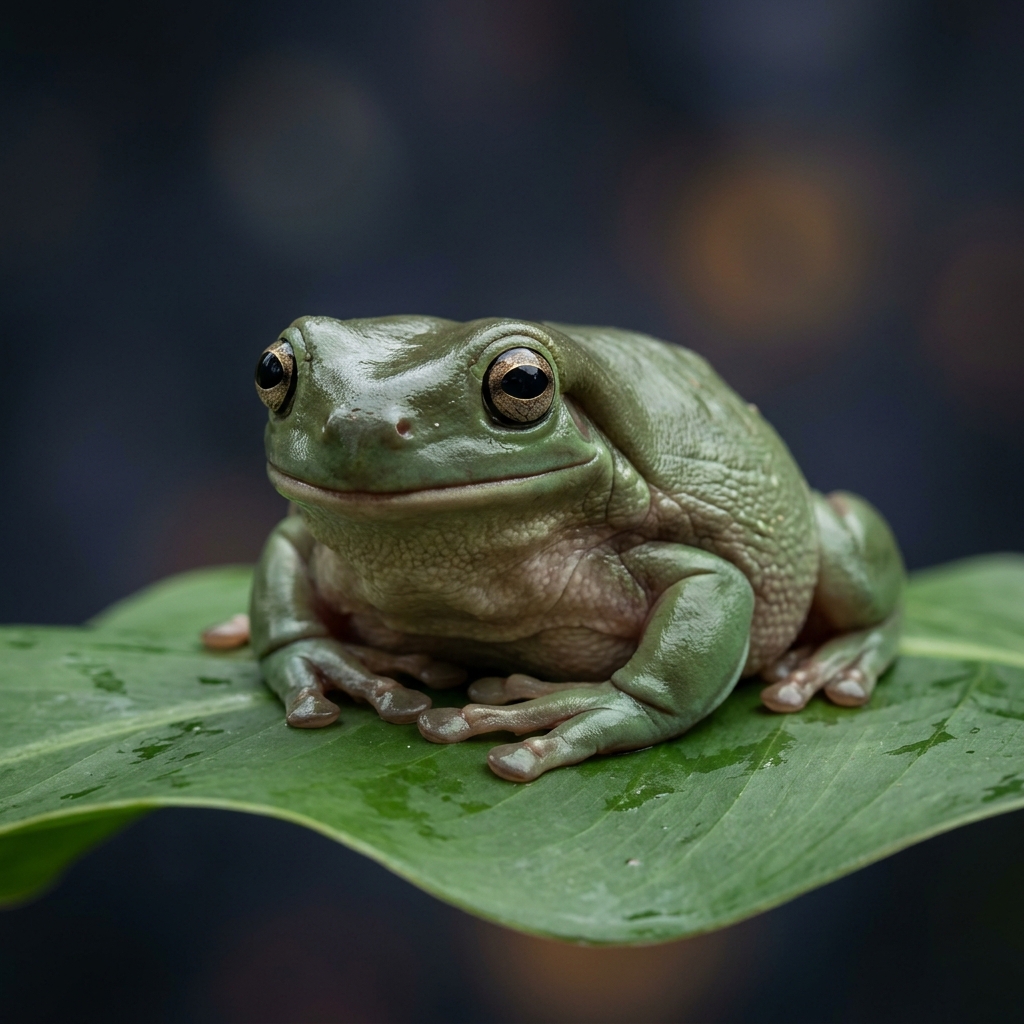
The White’s Tree Frog (Litoria caerulea), also known as the Dumpy Tree Frog, is a popular arboreal amphibian famous for its plump, docile appearance and friendly expression. While hardy compared to other amphibians, they possess highly permeable skin through which they absorb water and oxygen directly via osmosis. Exposure to tap water chlorine, heavy metals, or chemicals from bare hands (soaps, lotions, salts) can cause severe skin burns or toxic absorption. Additionally, perpetually high humidity leads to bacterial and fungal dermatological infections, making proper ventilation, water quality management, and nighttime humidity regulation vital. In this guide, we detail White’s Tree Frog skin signals, handling precautions, and a 3-step care routine.
Veterinary & Behavioral Evidence
This content is based on Association of Reptilian and Amphibian Veterinarians (ARAV) Clinical Guidelines and Amphibian Ark Captive Care Standards.
 FreshSelf
Keep pet food and supplements perfectly fresh!
FreshSelf
Keep pet food and supplements perfectly fresh!





1. White’s Tree Frog Skin Reactions: Color Shift and Skin Shedding (Molt)
White's Tree Frog Skin Reactions: Color Shift and Skin Shedding (Molt)
White's Tree Frogs adjust their skin coloration from bright green to dark brown based on humidity, temperature, and stress levels. They also regularly shed and consume their outer skin layer to maintain skin health.
2. White’s Tree Frog / Dumpy Tree Frog (Litoria caerulea)‘s Body Language & Behavioral Signals
Dark Brown Color Shift
Indicates excessive humidity, low ambient temperatures, or high stress/bacterial skin irritation.
Check enclosure temperatures (24–28°C / 75–82°F), improve ventilation, and clean substrate and water dishes.
Gaping & Body Yawning (Shedding/Molting)
A normal physiological process where the frog sloughs off dead skin and eats it to recycle nutrients.
Do not pull skin off manually; maintain adequate moisture to ensure a smooth, natural shed.
3. Customized 3-Step Home Care Routine for White’s Tree Frog / Dumpy Tree Frog (Litoria caerulea)
Morning: Dechlorinated Fresh Water Replacement & Dish Cleaning
Replace water daily using purified water treated with amphibian conditioner to eliminate chlorine and heavy metals.
Afternoon: Ventilation & Daytime Humidity Inspection (50-60%)
Ensure adequate airflow to prevent stagnant air, keeping daytime humidity at 50–60% and temperature at 24–28°C.
Evening: Nighttime Humidity Elevation (70-80%) & Safe Feeding
Lightly mist enclosure walls to raise humidity to 70–80% for nocturnal activity, and feed calcium-dusted crickets wearing nitrile gloves.
📌 Frequently Asked Questions (FAQ)
Why is bare-hand handling dangerous for White's Tree Frogs? ▼
Amphibian skin easily absorbs toxins, soaps, hand creams, natural oils, and salts from human hands. This can poison the frog or cause chemical skin irritation. Always wear powder-free, pre-moistened nitrile gloves when handling is necessary.
Can I use untreated tap water for my frog's water bowl? ▼
No. Residual chlorine, chloramines, and heavy metals in tap water cause severe chemical burns across their permeable skin. Always treat water with a reptile/amphibian declorinator or use RO water re-mineralized for amphibians.