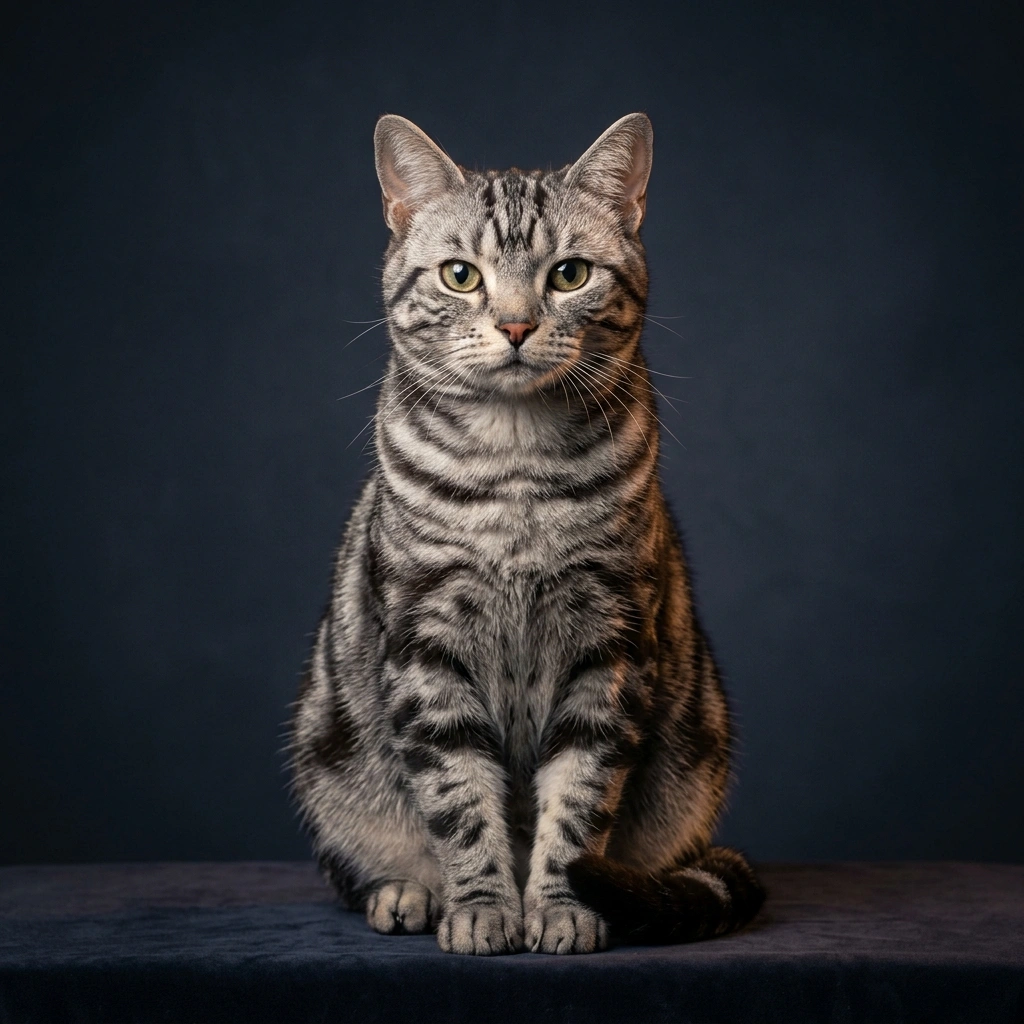
Known for their beautiful silver tabby pattern and muscular bodies, American Shorthairs are stable and loving companions. However, their easygoing nature often leads to laziness and obesity, which strains their cardiovascular system. Furthermore, the breed is genetically susceptible to Hypertrophic Cardiomyopathy (HCM), a silent heart disease where the heart walls thicken. In this guide, decodes American Shorthair heart warning signs and presents a 3-step care routine.
Veterinary & Behavioral Evidence
This content is based on Cat Fanciers' Association (CFA) Breed Standard & Cornell Feline Health Center Research.
 FreshSelf
Keep pet food and supplements perfectly fresh!
FreshSelf
Keep pet food and supplements perfectly fresh!






1. American Shorthair Body Language: Heart Strain and Open-Mouth Breathing
American Shorthair Body Language: Heart Strain and Open-Mouth Breathing
Unlike dogs, cats rarely pant to regulate temperature. If an American Shorthair exhibits 'open-mouth breathing' or gets 'easily fatigued' during brief play, it is a major warning of cardiovascular distress. Recognizing these signs early is crucial.
2. American Shorthair’s Body Language & Behavioral Signals
Open-Mouth Breathing
Breathing with the mouth open and tongue slightly out, indicating severe oxygen deficiency due to heart/lung overload or extreme distress.
Minimize stress immediately and transport the cat in a carrier to a 24-hour emergency veterinary clinic for oxygen therapy.
Quick Fatigue & Lying Down
Stopping play and lying flat on the side within minutes due to reduced cardiac output.
Limit strenuous exercise immediately and schedule an annual veterinary screening including auscultation and heart ultrasound (with proBNP test) to monitor for HCM progression.
3. Customized 3-Step Home Care Routine for American Shorthair
Morning: Measured Portion Feeding to Prevent Obesity
Avoid free-feeding. Divide their daily caloric requirement into measured morning and evening portions to prevent weight gain and protect vascular health.
Afternoon: Interactive Play & Calorie-Burning Session
Conduct at least two 15-minute play sessions using feather wands or toy mice to stimulate hunting instincts and burn fat.
Evening: Weekly Brushing and Hairball Prevention
Although short-haired, brush their dense coat once or twice a week with a slicker brush to remove dead undercoat and prevent hairball vomiting and gastrointestinal issues.
📌 Frequently Asked Questions (FAQ)
What is Hypertrophic Cardiomyopathy (HCM) in cats? ▼
HCM is a common genetic disease where the walls of the heart's left ventricle thicken, reducing chamber volume and pumping efficiency. In severe cases, it can cause sudden death, making early annual screening vital.
How can I prevent obesity in an American Shorthair? ▼
Choose low-carbohydrate, high-protein food and limit treats. Using puzzle feeders (food toys) to make them work for a portion of their kibble is an effective way to increase physical activity.