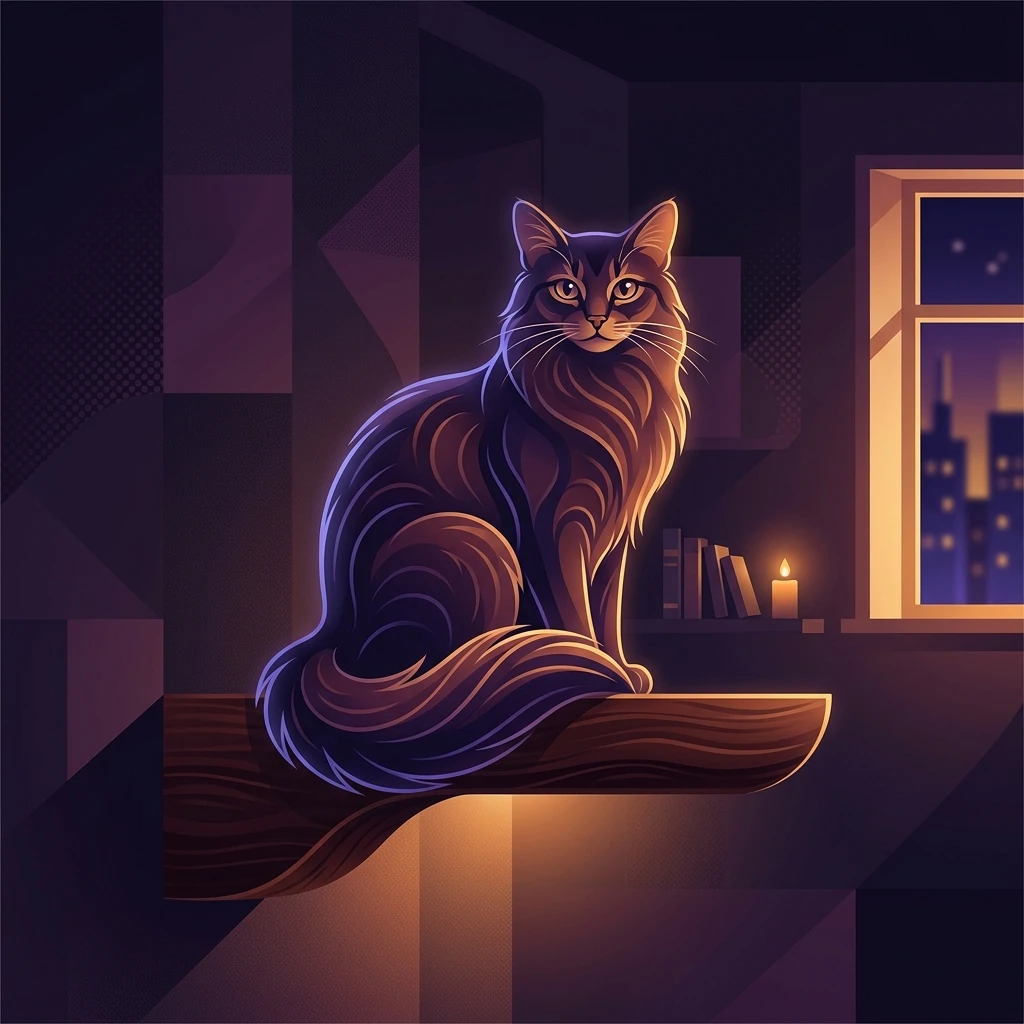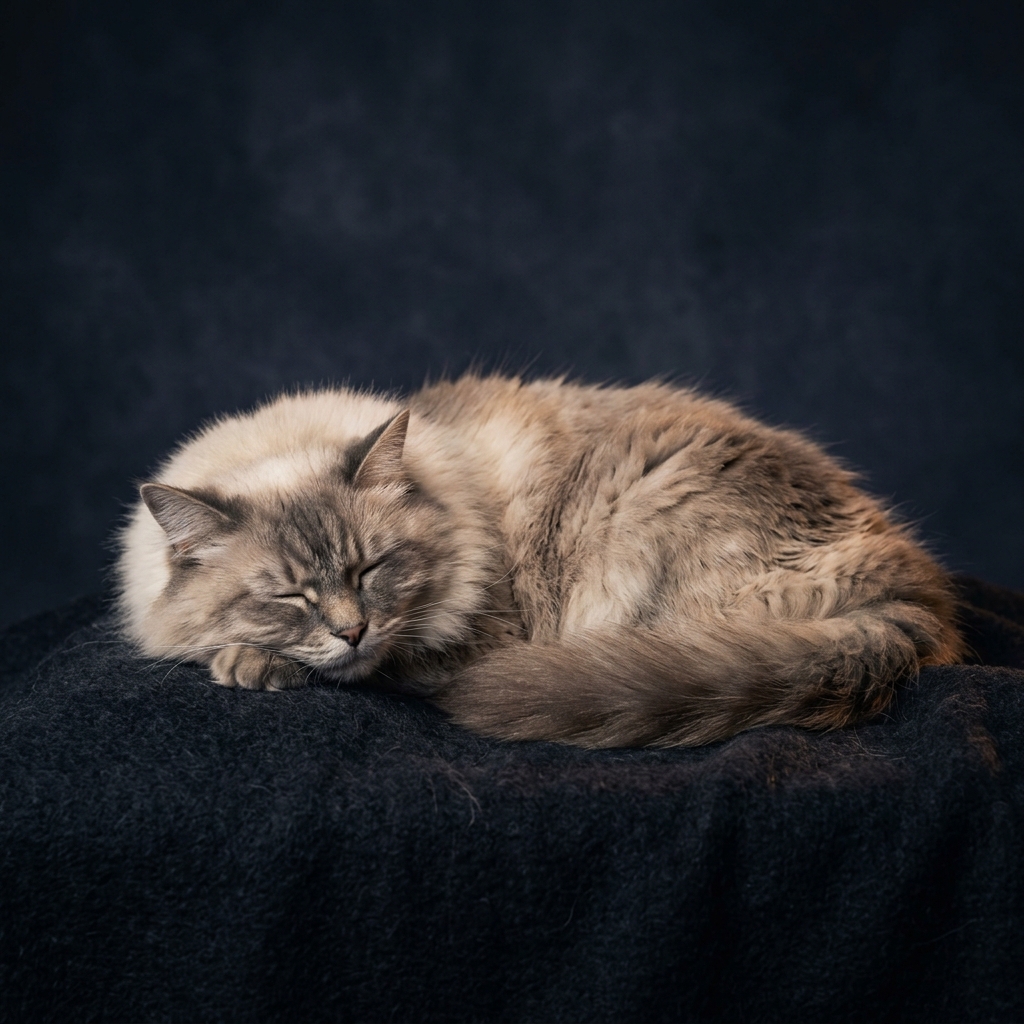
Derived from the Ragdoll in the 1990s, the Ragamuffin is a large, heavily boned cat breed famous for its dense, plush rabbit-like coat, diverse color patterns, and exceptionally expressive walnut-shaped eyes. Taking 4 to 5 years to reach full physical maturity, Ragamuffins uniquely possess a natural fatty pad on their lower abdomen as outlined in breed standards. Renowned for going completely limp when cradled in human arms, they are ultimate lap cats. However, their plush double coat requires routine grooming, and their slow maturation calls for careful nutrition and monitoring for hypertrophic cardiomyopathy (HCM). In this guide, outlines Ragamuffin communication signals and a 3-step daily care guide.
Veterinary & Behavioral Evidence
This content is based on Cat Fanciers' Association (CFA) & TICA Breed Standards, International Society of Feline Medicine (ISFM).
 FreshSelf
Keep pet food and supplements perfectly fresh!
FreshSelf
Keep pet food and supplements perfectly fresh!

1. Ragamuffin Communication: Going Limp and Contented Purring
Ragamuffin Communication: Going Limp and Contented Purring
Ragamuffins express profound trust by relaxing their entire muscular frame when lifted, a behavior known as 'Going Limp'. When seeking human interaction, they greet their owners with soft, chirping purrs ('Contented Purring') and gentle head-butts.
2. Ragamuffin Cat’s Body Language & Behavioral Signals
Relaxing Muscles in Arms (Going Limp)
Signifies absolute trust and complete release of defense mechanisms, reflecting a state of pure emotional security.
Support their hindquarters securely while holding them, continuing warm, gentle physical affection.
Soft Purring & Kneading (Purring & Kneading)
Indicates supreme happiness and a desire for bonding and emotional connection with their caregiver.
Acknowledge them with a soothing voice and gently scratch behind their ears or under their chin.
3. Customized 3-Step Home Care Routine for Ragamuffin Cat
Morning: Plush Coat Brushing & Abdominal Pad Check
Gently comb their plush undercoat with a pin brush to prevent mats and hairballs. Inspect their natural lower abdominal fat pad and monitor body condition.
Afternoon: Low-Impact Ground Play & Mental Bonding
Engage them in 15-20 minutes of floor-based wand-toy games rather than high jumping to protect developing joints during their long growth period.
Evening: High-Protein Nutrition & Cardiac Health Monitoring
Provide high-protein wet food tailored for slow-growing large breeds. Observe for signs of cardiac stress or lethargy associated with Hypertrophic Cardiomyopathy (HCM).
📌 Frequently Asked Questions (FAQ)
What is the main difference between a Ragdoll and a Ragamuffin? ▼
Ragdolls strictly feature pointed coat patterns and blue eyes. Ragamuffins come in all coat colors, patterns (solid, tabby, mink, tortoiseshell), and eye colors (green, gold, amber, blue). Ragamuffins also possess a slightly rounder head and broader build.
Is the pouch on their lower belly a sign of obesity? ▼
No, a lower abdominal fatty pad is a natural physical standard trait for Ragamuffins, meant to protect organs and allow flexibility. However, if their ribs are no longer easily felt beneath their coat, consult a vet for weight management.