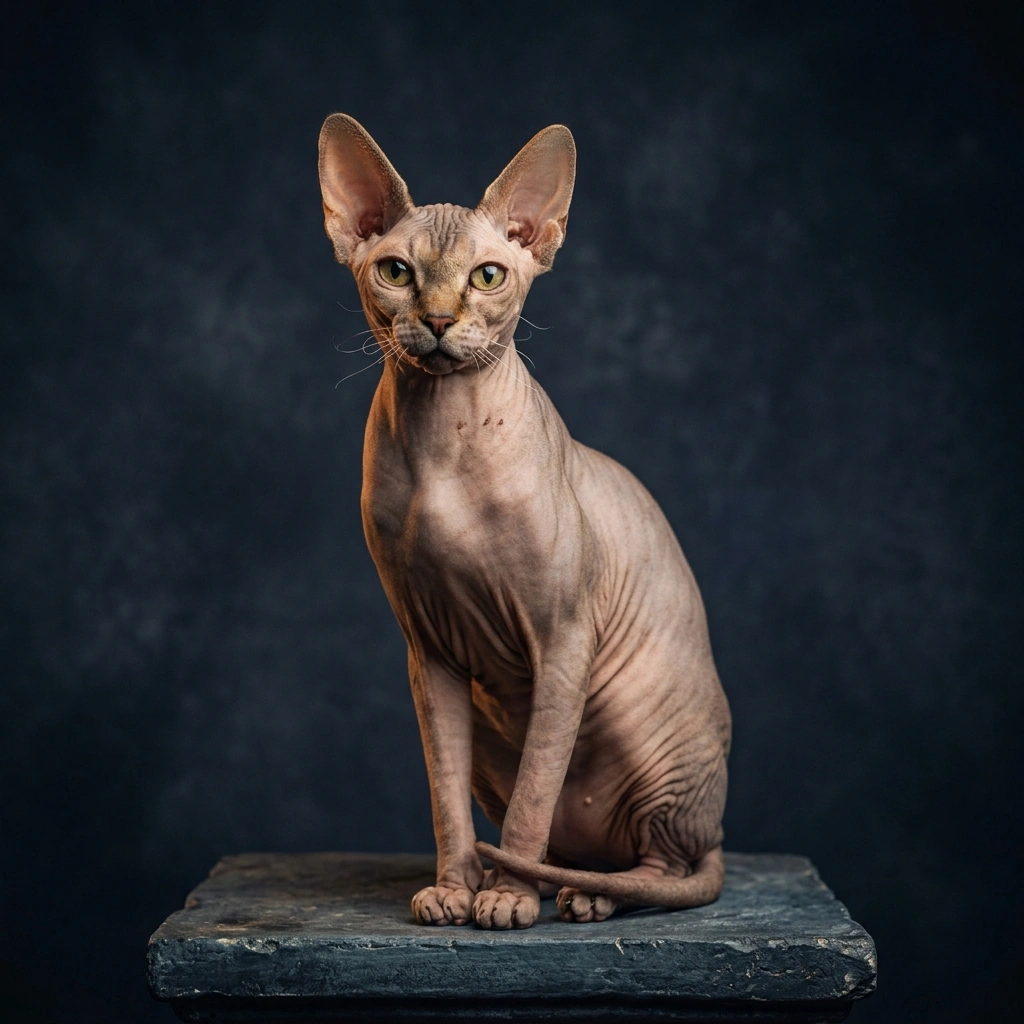
The Sphynx cat is a unique and captivating breed born without a typical coat due to a natural genetic mutation. Because they lack fur to absorb skin oils, sebum produced by their sebaceous glands accumulates directly on the skin surface, leading to brownish residue, clogged pores, and dermatitis if not cleaned regularly. 🐈 Furthermore, without a coat to insulate them, they are highly sensitive to colder temperatures and lose body heat rapidly. In this guide, outlines a tailored 3-step home care routine to hygienically manage your Sphynx’s skin sebum while keeping them warm and cozy.
Veterinary & Behavioral Evidence
This content is based on International Society of Feline Medicine (ISFM) Dermatology Guidelines & Veterinary Protocols.
 FreshSelf
Keep pet food and supplements perfectly fresh!
FreshSelf
Keep pet food and supplements perfectly fresh!









1. Sphynx Body Language: Heat-Seeking Behavior and Deep Affection
Sphynx Body Language: Heat-Seeking Behavior and Deep Affection
Because Sphynx cats are prone to feeling cold, they actively seek warmth by pressing closely against your neck, lap, or under blankets. Clinging tightly to your skin or perching on your lap while purring expresses both deep affection and a practical desire to share body heat. If their skin feels cold to the touch or they curl up tightly in a ball, adjust the ambient temperature immediately.
2. Sphynx Cat’s Body Language & Behavioral Signals
Heat-Seeking (Clinging to warm skin or heat sources)
An indication that the surrounding air feels cold and their body temperature is dropping, requesting heat.
Check ambient temperature (maintain 22–26°C), dress them in soft cotton clothes, and provide a safe heated pad or cave bed.
Squinting & Purring
A state of deep contentment, physical warmth, and complete trust in the owner.
Gently stroke their warm body and allow them to rest comfortably by your side.
3. Customized 3-Step Home Care Routine for Sphynx Cat
Morning: Gentle Skin Fold Cleansing with Warm Towels
Wipe away brownish sebum accumulated in skin folds, neck, and paws using a warm damp towel or gentle wipe to prevent blackheads and skin infections.
Afternoon: Sun Protection to Prevent UV Damage
Hairless skin exposed to direct sunlight can easily suffer from sunburn (solar dermatitis). Adjust curtains or blinds to block intense UV rays during peak daylight hours.
Evening: Fresh Cotton Clothes Swap and Warm Dome Bed Check
Replace oil-soaked clothes with clean, soft cotton garments, and inspect their warm, insulated dome bed to prevent nighttime heat loss.
📌 Frequently Asked Questions (FAQ)
Are Sphynx cats completely hypoallergenic because they have no hair? ▼
No, not at all. Cat allergies are primarily triggered by proteins (Fel d 1 and Fel d 4) found in saliva, sebum, and dander rather than hair itself. Because Sphynx cats produce active sebum, they can still trigger allergic reactions.
How often should I bathe a Sphynx cat? ▼
Depending on individual sebum production, bathing them once every 1 to 2 weeks using lukewarm water and a mild, pH-balanced feline shampoo is recommended. Over-bathing can dry out the skin and trigger rebound sebum production, so rely on daily towel wipes between baths.