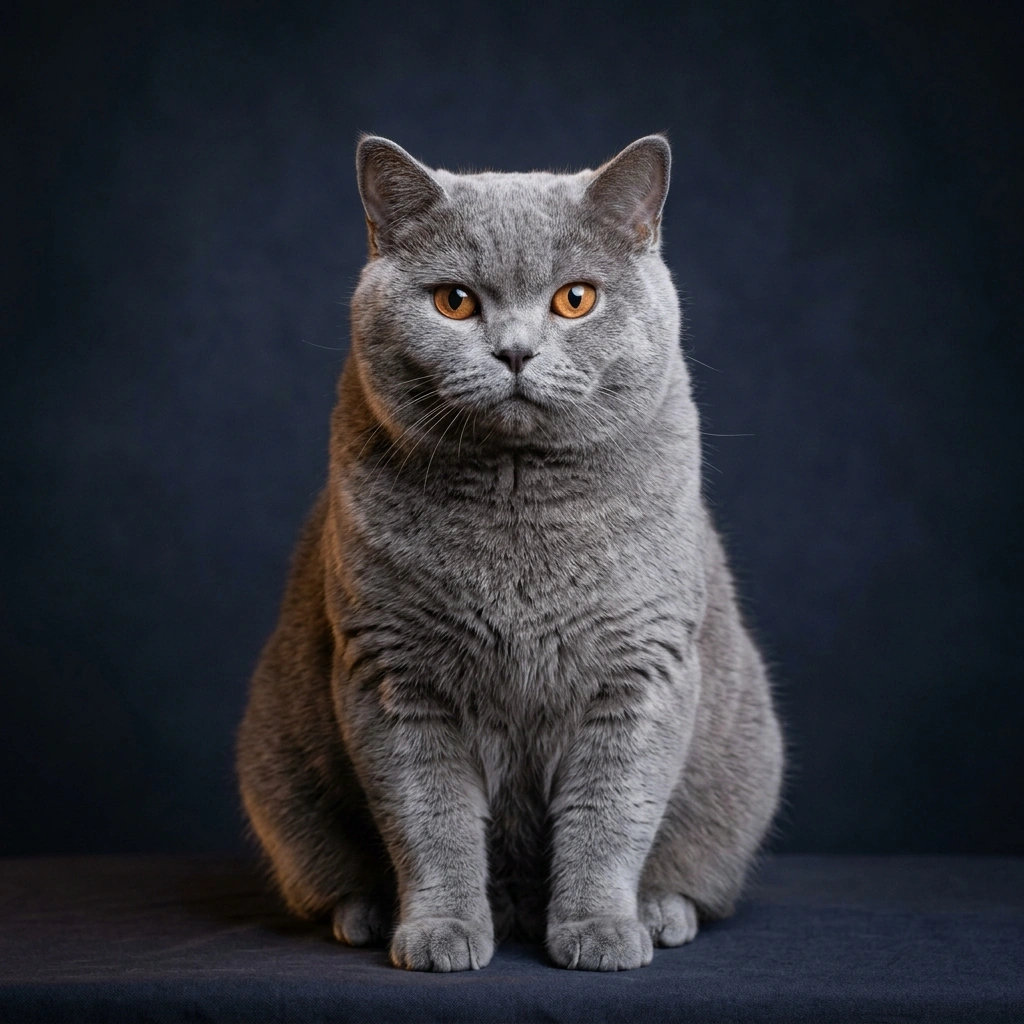
With their large round faces and muscular build, British Shorthairs are known as the gentle giants of the cat world, making them an excellent match even for first-time owners due to their calm and patient demeanor. However, their heavy-boned frame means failing at weight management places critical stress on their joints. Furthermore, they are genetically prone to Hypertrophic Cardiomyopathy (HCM), a heart disease where the heart walls thicken, making it crucial to prevent excess weight from straining the heart. In this guide, decodes British Shorthair body language and shares a 3-step homecare routine to safely maintain their heart and weight.
Veterinary & Behavioral Evidence
This content is based on GCCF Breed Standards for British Shorthairs & AAFP Feline Obesity Guidelines.
 FreshSelf
Keep pet food and supplements perfectly fresh!
FreshSelf
Keep pet food and supplements perfectly fresh!







1. British Shorthair Body Language: Soft Staring and Tail Flicking Signals
British Shorthair Body Language: Soft Staring and Tail Flicking Signals
British Shorthairs dislike restrictive holding and show trust through 'soft staring' from a distance. This indicates that while they prefer an independent relationship, they feel safe and trust you. Conversely, when annoyed or uncomfortable, they display 'tail swishing' (tapping the floor with their tail tip while lying down). Forcing them into a embrace during this time will significantly raise their stress levels.
2. British Shorthair (Felis catus)‘s Body Language & Behavioral Signals
Soft Staring
A mature and independent expression of affection, indicating they feel happy and safe just sharing the same space.
Blink slowly to return the affection. Do not approach or pick them up forcibly; simply watch them quietly.
Tail Swishing
A rejection signal showing that petting intensity or contact is bothering them, asking you to stop as stress rises.
Immediately stop touching them and avoid physical stimulation so the cat can relax on its own.
3. Customized 3-Step Home Care Routine for British Shorthair (Felis catus)
Morning: Strict Dietary Portion Control using Precision Scales
To prevent hypertrophic cardiomyopathy (HCM) aggravated by obesity, weigh food on a digital electronic scale to adhere to exact daily caloric requirements.
Afternoon: Undercoat Brushing using a Dedicated Rubber Brush
Although short-haired, they have dense, thick fur. Brush for 5 minutes with a feline rubber brush to collect dead undercoat without skin irritation.
Evening: Respiration Rate Check for HCM Prevention and Gentle Play
Monitor sleeping respiration rates (should be under 30 breaths per minute) to keep track of heart health, and engage in gentle wool ball rolling play.
📌 Frequently Asked Questions (FAQ)
Why is obesity more dangerous for British Shorthairs than other cats? ▼
British Shorthairs have a heavy, rounded frame and a genetically high incidence rate of Hypertrophic Cardiomyopathy (HCM). Obesity increases cardiac output and places direct overload on the heart muscle, significantly raising the risk of sudden cardiac failure.
Why do British Shorthairs dislike being held or picked up? ▼
They value their independence highly and feel intense anxiety when their paws lose contact with the ground. Forced, restrictive holding against their will can damage the trust built with the owner.