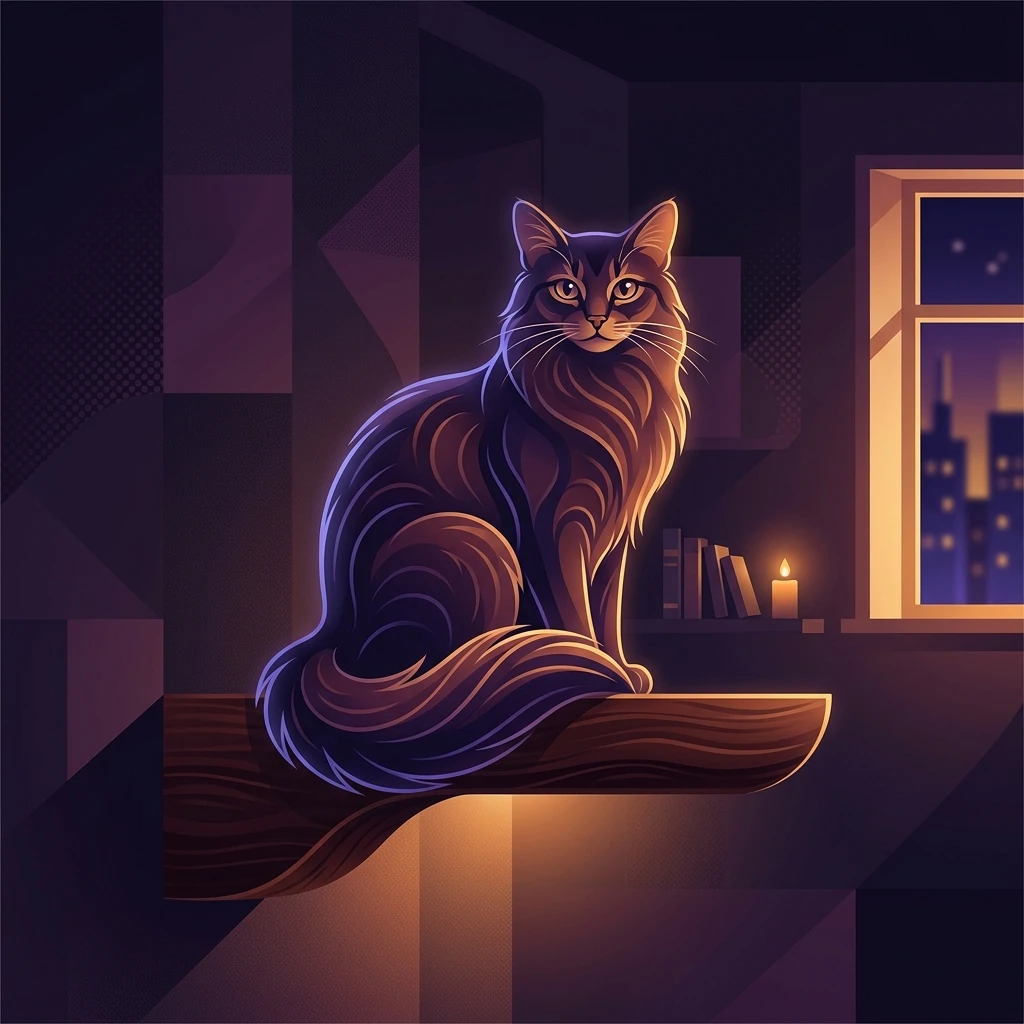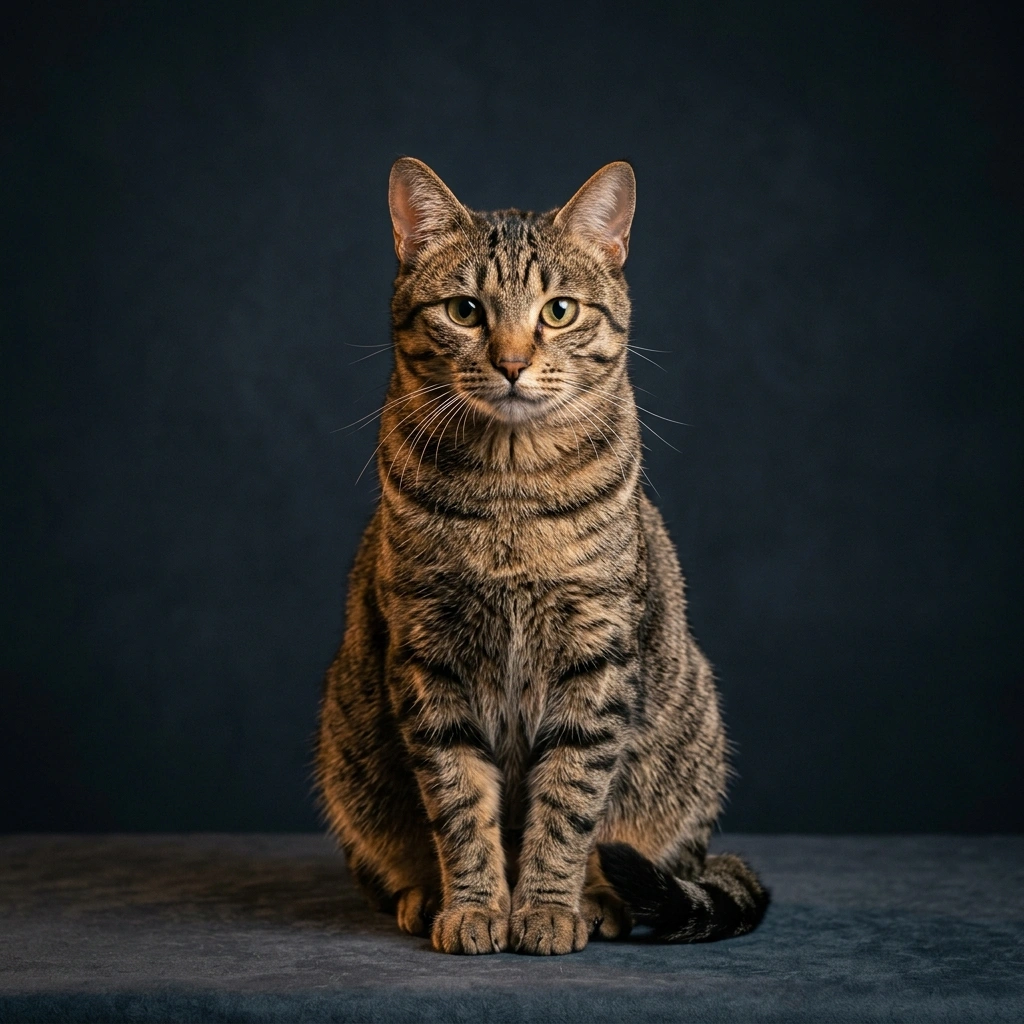
The Korean Shorthair, a native cat, boasts a sturdy build and strong vitality due to preserved wild instincts. While friendly, they can be cautious around strangers and highly focused during hunting play. 🐈
However, these traits make them vulnerable to two indoor stressors: territorial anxiety from space limitations, and Feline Lower Urinary Tract Disease (FLUTD) or urinary stones caused by genetics and low hydration. Managing these conditions requires careful lifestyle management.
In this guide, we explore Korean Shorthair body language and shares a 3-step daily routine to ensure hydration and territorial comfort.
Veterinary & Behavioral Evidence
This content is based on Cornell Feline Health Center Behavioral Guide & NIAS Companion Animal Care Manual.
 FreshSelf
Keep pet food and supplements perfectly fresh!
FreshSelf
Keep pet food and supplements perfectly fresh!





1. Feline Body Language: The Ultimate Expression of Trust
Feline Body Language: The Ultimate Expression of Trust
One of the strongest expressions of trust a cat sends to its owner is 'vertical tail raising' and 'purring'. Approaching with a tail raised straight up is a friendly signal and a request to communicate. Also, purring stimulates endorphins in their brain, calming them down. Note that purring can also be a self-healing signal when they are in pain. If a cat hides in a dark place and purrs with a depressed expression, closely monitor their health.
2. Korean Shorthair (Felis catus)‘s Body Language & Behavioral Signals
Tail Up
An expression of strong friendliness, positive communication, and joy toward the owner.
Respond with soft eye contact or a gentle chin rub to enhance the positive bond.
Purring
Usually made when happy, but can also be a self-healing signal to relieve pain or anxiety.
If they purr while hiding in dark corners, check closely to ensure they are not injured or sick.
3. Customized 3-Step Home Care Routine for Korean Shorthair (Felis catus)
Morning: Vertical Space Inspection and Window View Setup
With morning ventilation, raise the blinds near window-side cat towers. Ensuring vertical space and allowing them to watch the outside view (Cat TV) provides mental stimulation and dramatically reduces stress caused by indoor containment.
Afternoon: 15-Minute Mock Hunting Play Routine
Perform mock hunting play using wand toys for 15 minutes once a day. Since cats are natural predators, chasing toys and experiencing the 'joy of the catch' prevents frustration and increases physical activity.
Evening: Hydration Spot Check and Relaxation Brushing
Replace all water bowls with fresh water and maintain at least three drinking stations around the house to encourage hydration. Before bed, gently brush scent gland areas like the cheeks and chin to induce emotional relaxation.
📌 Frequently Asked Questions (FAQ)
Why do cats always climb to high and narrow spaces? ▼
Cats instinctively feel safe and dominant when surveying their territory from high places. A lack of vertical space, like cat towers, leads to territorial stress.
What is the best way to prevent feline cystitis? ▼
The key is increasing hydration. Place multiple water bowls away from food, and utilize fountain drinking systems to appeal to their preference for running water.