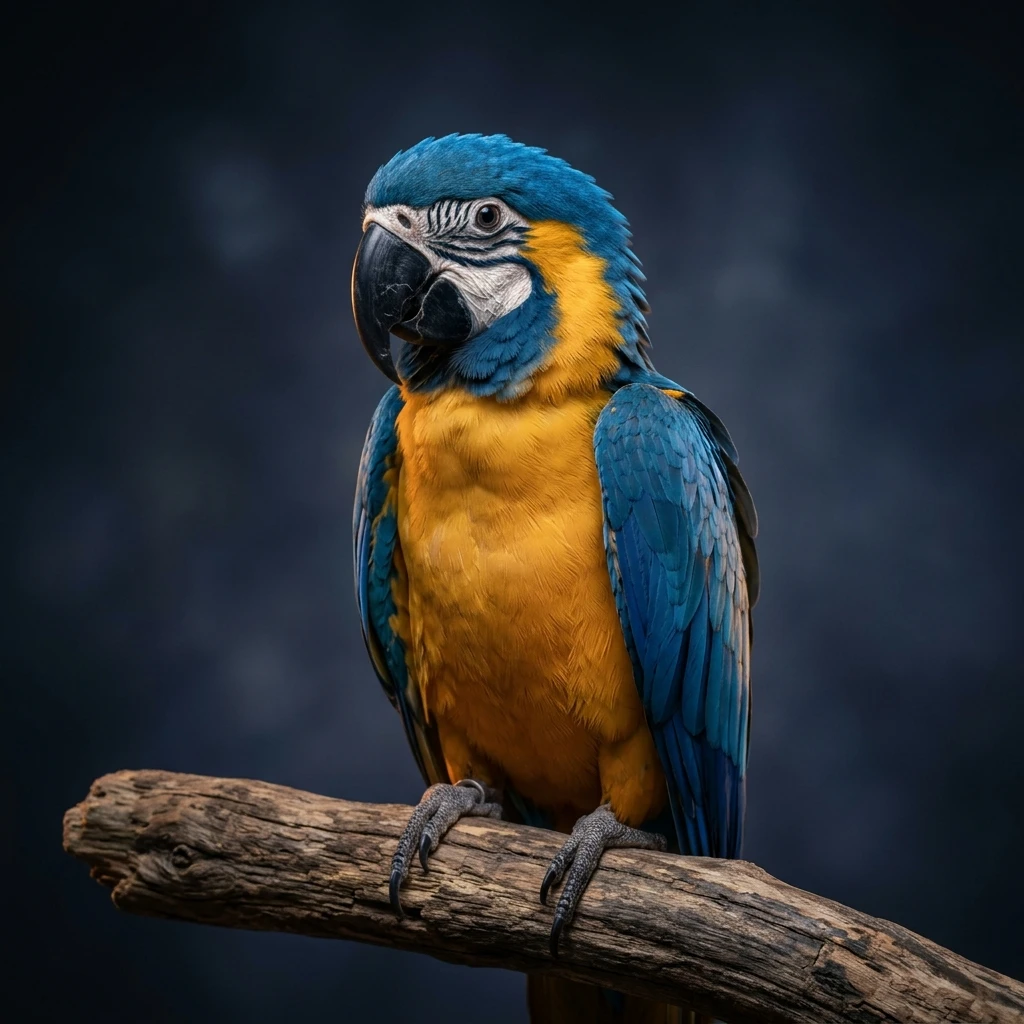
The Blue and Gold Macaw is globally celebrated as the ultimate dream bird for parrot enthusiasts, featuring striking cobalt blue and golden-yellow plumage paired with an impressive size. Possessing the cognitive ability of a 3 to 5-year-old human child, they boast exceptional speech capabilities and complex emotional expressions. However, without ample mental stimulation and social bonding, they can suffer from severe depression or feather-plucking behavior. Their extraordinarily powerful beaks can easily crush hardwood and nut shells, requiring dedicated destructive toys and an ultra-large enclosure. In this guide, we decode the Blue and Gold Macaw’s emotional body language and reveal a 3-step daily routine for beak enrichment, speech stimulation, and social well-being.
Veterinary & Behavioral Evidence
This content is based on Association of Avian Veterinarians (AAV) Advisory Standards & World Parrot Trust (WPT) Large Macaw Welfare Guidelines.
 FreshSelf
Keep pet food and supplements perfectly fresh!
FreshSelf
Keep pet food and supplements perfectly fresh!



1. Blue and Gold Macaw Instincts: Facial Flushing and Wing Display Signals
Blue and Gold Macaw Instincts: Facial Flushing and Wing Display Signals
Blue and Gold Macaws exhibit a unique physiological response called 'Flushing', where the bare white skin on their cheeks turns pinkish-red during heightened emotion. This signals excitement, joy, or intense arousal. Additionally, fluffing head feathers while spreading their wings wide is a bold, confident signal meant to attract attention and request interactive play.
2. Blue and Gold Macaw (Ara ararauna)‘s Body Language & Behavioral Signals
Facial Skin Flushing
Blood flow increasing to the featherless white facial patch, signaling high emotional arousal, joy, or deep engagement with their handler.
Speak to them in a calm, soothing tone to channel their emotional excitement into a gentle, bonding interaction.
Feather Fluffing & Wing Display
Fluffing head feathers and spreading wings wide to show confidence and express an enthusiastic desire for play and attention.
Offer a hand for a 'Step-up' command or engage in interactive speech training to fulfill their desire for engagement.
3. Customized 3-Step Home Care Routine for Blue and Gold Macaw (Ara ararauna)
Morning: Fresh Pelleted & Fruit Diet with Vocal Greeting
Serve a balanced diet of high-quality pellets, fresh fruits, and nuts (e.g., giant almonds), accompanied by cheerful, clear verbal greetings to stimulate speech.
Afternoon: Hardwood Destruction Toys & Out-of-Cage Activity
Provide durable wooden chew toys and manila ropes to satisfy their powerful chewing drive, ensuring at least 2–3 hours out of the cage on a play stand.
Evening: Lukewarm Misting Bath & 12-Hour Blackout Sleep
Mist with lukewarm water to maintain feather cleanliness and induce relaxation, then cover the cage with a blackout cover for 10–12 hours of quiet sleep.
📌 Frequently Asked Questions (FAQ)
How should I manage a Blue and Gold Macaw's destructive chewing habits? ▼
Chewing is a natural, necessary behavior for macaws to maintain beak health. To prevent them from destroying furniture or dangerous wires, continuously supply safe destructible materials like natural hardwood blocks, thick manila ropes, and hard leather toys.
How loud is a Blue and Gold Macaw's vocalization? ▼
Macaws have extremely loud, ear-piercing contact calls that can carry for miles in the wild. They naturally flock-call in the morning and evening, making them unsuitable for apartments or close-density housing without substantial soundproofing.