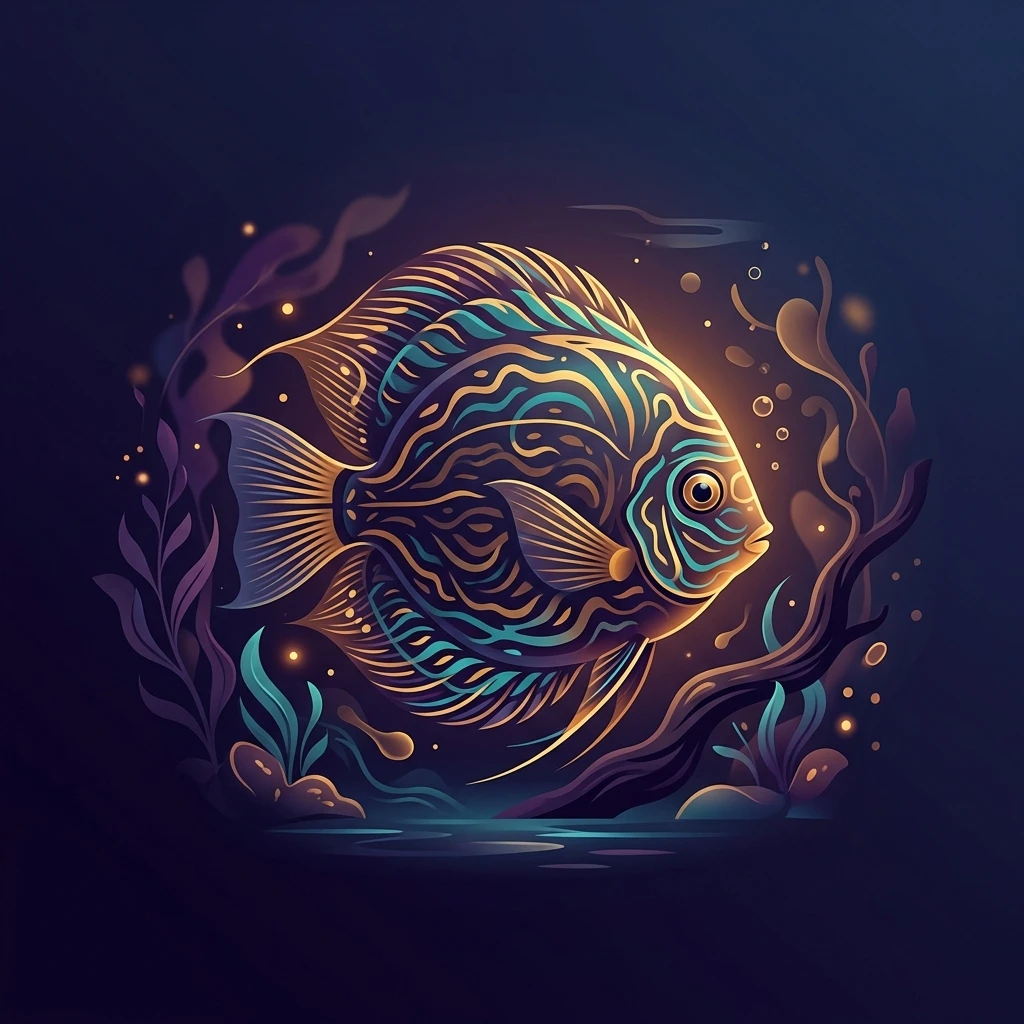
Native to the warm, calm river basins of the Amazon River in South America, the Discus Fish (Symphysodon) is hailed worldwide as the ‘King of the Aquarium’ for its disc-shaped body and breathtaking color patterns. While magnificent, Discus are exceptionally sensitive freshwater cichlids requiring high water temperatures (28–30°C) and pristine, soft, slightly acidic water (pH 6.0–6.8). Water pollution or nitrate accumulation triggers ‘body darkening,’ while internal parasite infections cause fatal ‘Hole-in-the-Head Disease’ (Hexamita). In this guide, presents a 3-step daily care routine to decode your Discus’s body language and protect its health.
Veterinary & Behavioral Evidence
This content is based on Ornamental Fish International (OFI) & World Aquatic Veterinary Medical Association (WAVMA) Care Standards.
 FreshSelf
Keep pet food and supplements perfectly fresh!
FreshSelf
Keep pet food and supplements perfectly fresh!



1. Discus Body Language: Body Darkening (Stress Bars) and Clamped Fins / Corner Hiding
Discus Body Language: Body Darkening (Stress Bars) and Clamped Fins / Corner Hiding
Discus fish signal water quality deterioration and physiological illness through dramatic skin color shifts and fin postures. Losing vibrant colors and turning dark black 'Body Darkening / Stress Bars' is a critical distress signal indicating rising nitrates, sudden pH shock, or severe environmental stress. Conversely, clamping fins tightly while crouching in tank corners or trailing white stringy feces 'Clamped Fins & Hiding' signals thermal shock, internal parasite infections (Hexamita), or social bullying.
2. Discus Fish (Symphysodon)‘s Body Language & Behavioral Signals
Losing Vibrant Coloration and Turning Dark Black All Over Body (Body Darkening / Stress Bars)
Indicates acute water pollution (nitrate/ammonia spike), sudden pH shock, or extreme environmental stress.
Test nitrate levels immediately and perform a 20–30% water change using temperature-matched dechlorinated water.
Clamping Fins Tightly, Hiding in Corners, and Excreting White Stringy Feces (Clamped Fins & White Feces)
Signals immunosuppression from low temperature or active Hexamita internal parasite infection in the digestive tract.
Elevate water temperature to 30–31°C and consult an aquatic vet for metronidazole/Hexamita medication.
3. Customized 3-Step Home Care Routine for Discus Fish (Symphysodon)
Morning: Water Temperature (28–30°C) & pH (6.0–6.8) Check, High-Protein Beefheart/Pellet Feeding
Verify warm thermal stability and feed small portions of high-protein beefheart mix or specialized Discus sinking pellets.
Afternoon: Uneaten Food Removal & Aeration / Dissolved Oxygen Inspection
Siphon out unconsumed beefheart within 15 minutes to prevent water fouling, maintaining vigorous aeration at high temperatures.
Evening: Siphon Substrate Waste (Frequent Small Water Changes) & Blackout Resting Setup
Vacuum feces daily to prevent nitrate buildup, performing frequent small water changes with aged water, and turn off aquarium lights.
📌 Frequently Asked Questions (FAQ)
What causes 'Hole-in-the-Head Disease' (Hexamita) in Discus fish and how can it be prevented? ▼
Hole-in-the-Head disease is caused by the flagellate parasite Spironucleus/Hexamita, compounded by vitamin/mineral deficiencies and organic water pollution (high nitrates). The parasite impairs nutrient absorption in the gut, causing cartilage necrosis and sensory pit erosion on the head. Prevent this by siphoning leftover food daily, maintaining pristine water quality, and feeding vitamin-enriched foods.
Why must Discus aquariums be kept at a high temperature of 28–30°C? ▼
Discus originate from warm Amazonian backwaters where their metabolic and immune systems evolved to thrive in high heat. Temperatures below 26°C depress their metabolism, cause anorexia, and severely weaken immunity against Ich and internal flagellates. Maintaining a constant 28–30°C (or 30–31°C for juveniles) using reliable heaters is mandatory.