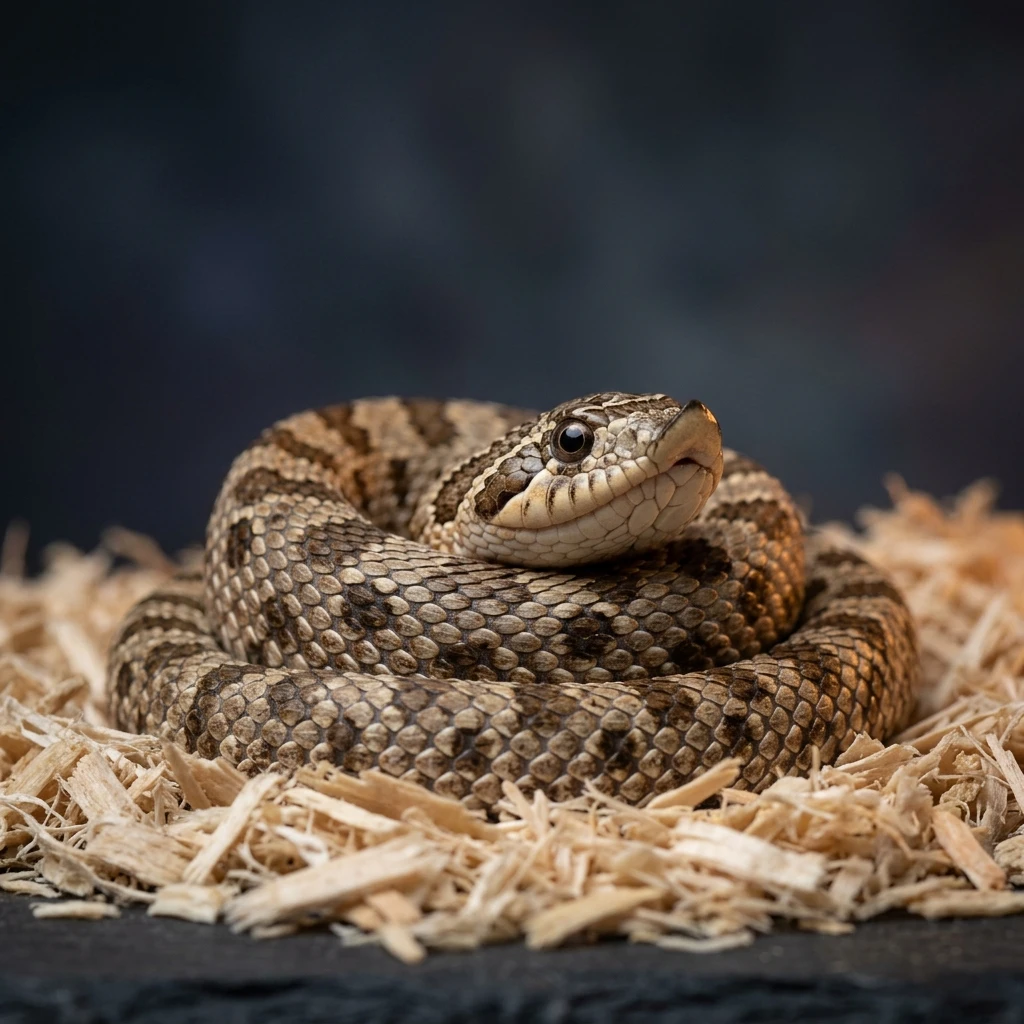
The Western Hognose Snake (Heterodon nasicus) is globally famous for its upturned snout and dramatic defensive behavior, earning its place among the ‘top 3 pet snakes’ alongside Corn Snakes and Ball Pythons. When threatened, they engage in theatrical bluffs like flattening their necks like a cobra or rolling over to play dead (thanatosis). Because they are natural burrowers, providing a deep layer of aspen bedding that holds tunnel shapes is essential. Establishing a precise thermal gradient with hot and cool zones is equally critical for their digestion and immunity. In this guide, we analyze the Western Hognose’s defensive signals and share a 3-step homecare routine for substrate management, heating, and safe feeding.
Veterinary & Behavioral Evidence
This content is based on United States Association of Reptile Keepers (USARK) & International Herpetological Society (IHS) Guidelines.
 FreshSelf
Keep pet food and supplements perfectly fresh!
FreshSelf
Keep pet food and supplements perfectly fresh!









1. Western Hognose Instincts: The Upturned Snout and Playing Dead (Thanatosis)
Western Hognose Instincts: The Upturned Snout and Playing Dead (Thanatosis)
The upturned rostral scale of the Western Hognose evolved specifically for digging into soil to hunt toads in the wild. When feeling threatened, they flatten their neck to intimidate predators. If threats persist, they roll onto their back, stick out their tongue, and emit a foul musk—a dramatic, innate defense response known as 'Thanatosis' (playing dead).
2. Western Hognose Snake (Heterodon nasicus)‘s Body Language & Behavioral Signals
Neck Flattening & Hissing (Cobra Bluffing)
Flattening the neck scales to appear larger while exhaling loudly, serving as a bluff and defensive warning rather than an intent to bite.
Avoid sudden movements; scoop them gently from below to build confidence and calm them down.
Flipping Belly-Up & Mouth Open (Playing Dead / Thanatosis)
Innate defense triggered by extreme stress, rolling onto their back and pretending to be deceased to deter predators.
Immediately stop handling and leave them in a dark, quiet enclosure to allow their stress levels to drop.
3. Customized 3-Step Home Care Routine for Western Hognose Snake (Heterodon nasicus)
Morning: Hot Zone (30–32°C) & Cool Zone (21–24°C) Temperature Check
Verify heat mats or overhead ceramic heaters maintain the hot spot at 30–32°C, and ensure fresh drinking water is available.
Afternoon: Burrowing Substrate Maintenance & Spot Cleaning
Maintain 5–8 cm of aspen shavings so they can construct stable burrows, and immediately spot-clean any waste or soiled bedding.
Evening: Thawed Rodent Feeding & Post-Meal Rest
Offer appropriately sized thawed mice using feeding tongs. Avoid handling for 48 hours post-feeding to allow proper digestion.
📌 Frequently Asked Questions (FAQ)
Are Western Hognose Snakes venomous or dangerous to humans? ▼
They are mildly rear-fanged venomous, using mild toxins to subdue amphibians in the wild. Their saliva is medically harmless to non-allergic humans, usually causing only minor localized swelling if a prolonged bite occurs. Regular gentle handling makes bites extremely rare.
What should I do if my Hognose goes on a hunger strike? ▼
First, ensure hot zone temperatures are sufficiently warm (30–32°C) and provide deeper substrate for security. If they continue refusing food, try 'scenting' the thawed rodent with tuna juice or frog scent to trigger their hunting response.