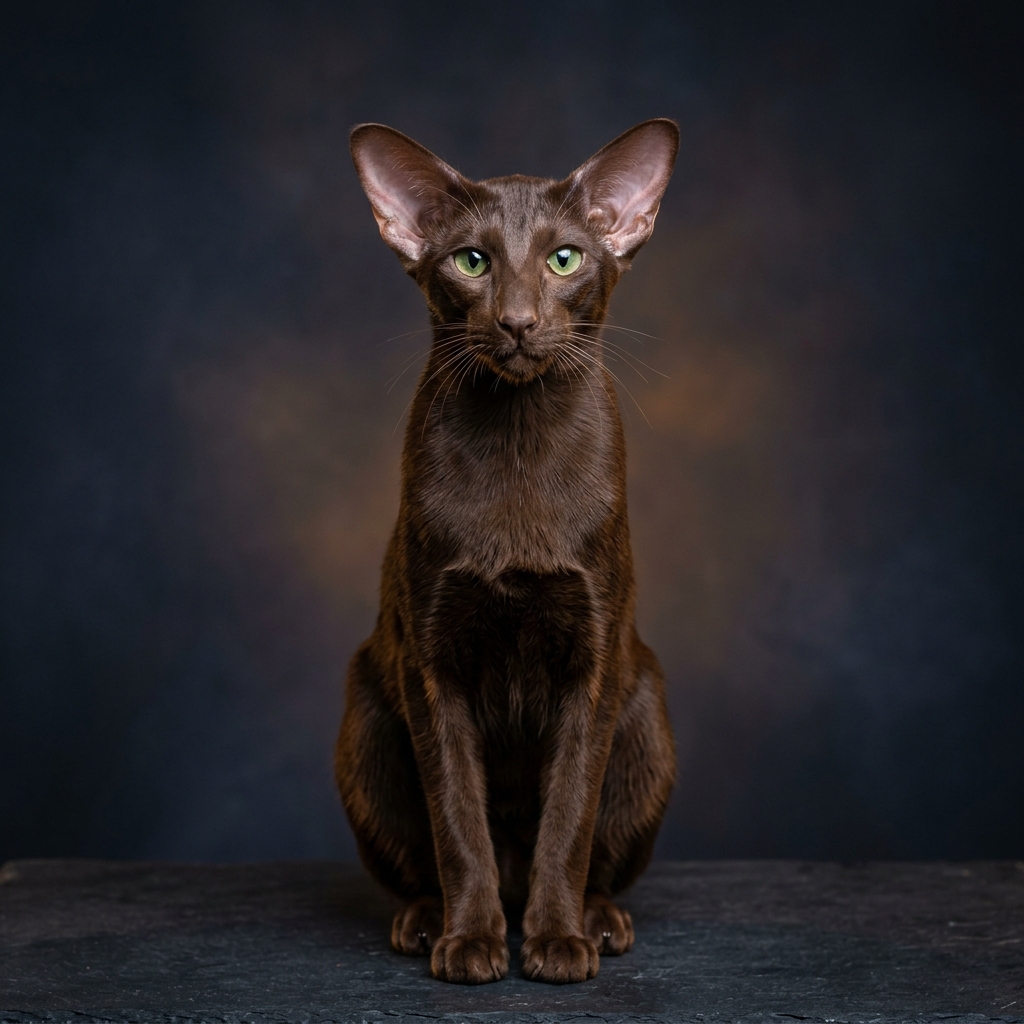
The Oriental Shorthair is a sleek, modern breed derived from Siamese bloodlines, renowned for its large bat-like ears, elegant wedge-shaped head, and slender body. Exceptionally vocal and intelligent, they actively engage in conversation with their human companions, seeking constant affection and human contact. However, because they possess a fine, short coat with virtually no undercoat, they are highly sensitive to cold environments and vulnerable to respiratory chills if room temperatures drop. Furthermore, due to their intense sociability, they suffer from isolation distress if left alone for extended periods. Providing interactive play, dedicated thermal care, and responsive communication is crucial for their well-being. In this guide, we detail Oriental Shorthair vocal signals, thermal management, and a 3-step daily care routine.
Veterinary & Behavioral Evidence
This content is based on International Society of Feline Medicine (ISFM) Clinical Guidelines and TICA/CFA Breed Conservation Standards.
 FreshSelf
Keep pet food and supplements perfectly fresh!
FreshSelf
Keep pet food and supplements perfectly fresh!







1. Oriental Shorthair Instincts: Rich Vocalizations and Lap Cuddling
Oriental Shorthair Instincts: Rich Vocalizations and Lap Cuddling
Oriental Shorthairs express curiosity, affection, or needs through a wide range of vocal tones. Climbing onto their owner's lap or shoulders serves as both a sign of deep trust and a quest to absorb body warmth.
2. Oriental Shorthair Cat’s Body Language & Behavioral Signals
Frequent & Varied Vocalizations
An extroverted desire for active communication, attention, play, or feeding.
Reply softly to acknowledge their voice, verify their physical needs, and engage in interactive communication.
Lap / Shoulder Snuggling & Burrowing
A display of deep affection combined with a need for thermal warmth due to feeling chilled.
Provide a warm blanket or heated pet pad, increase room temperature, and offer gentle physical affection.
3. Customized 3-Step Home Care Routine for Oriental Shorthair Cat
Morning: Room Temperature Check (22–25°C) & Fine Coat Grooming
Verify indoor heating to prevent chills and gently brush their fine coat using a soft rubber curry brush to remove loose fur.
Afternoon: Interactive Wand Play & Puzzle Feeding for Sociability
Engage in energetic feather wand play to satisfy social energy, providing puzzle feeders to keep them stimulated when alone.
Evening: Focused Vocal Interaction & Thermal Bedding Setup
Spend quality time engaging in vocal dialogue and snuggle sessions, preparing a cozy fleece bed or heated mat for the night.
📌 Frequently Asked Questions (FAQ)
How should I handle my Oriental Shorthair's constant vocalizations? ▼
Vocalizing is an innate trait of the breed, so punishing it causes severe emotional distress. Engage with calm verbal responses during the day and fulfill their play needs. If demanding cries occur at night, maintain consistent neutral unresponsiveness to establish boundaries.
How do I protect my Oriental Shorthair from cold weather? ▼
Because they lack a dense undercoat, maintain ambient room temperatures between 23–25°C (73–77°F). Place cat trees in sunny spots, provide soft fleece blankets or heated pet pads, and consider lightweight cat apparel in winter.