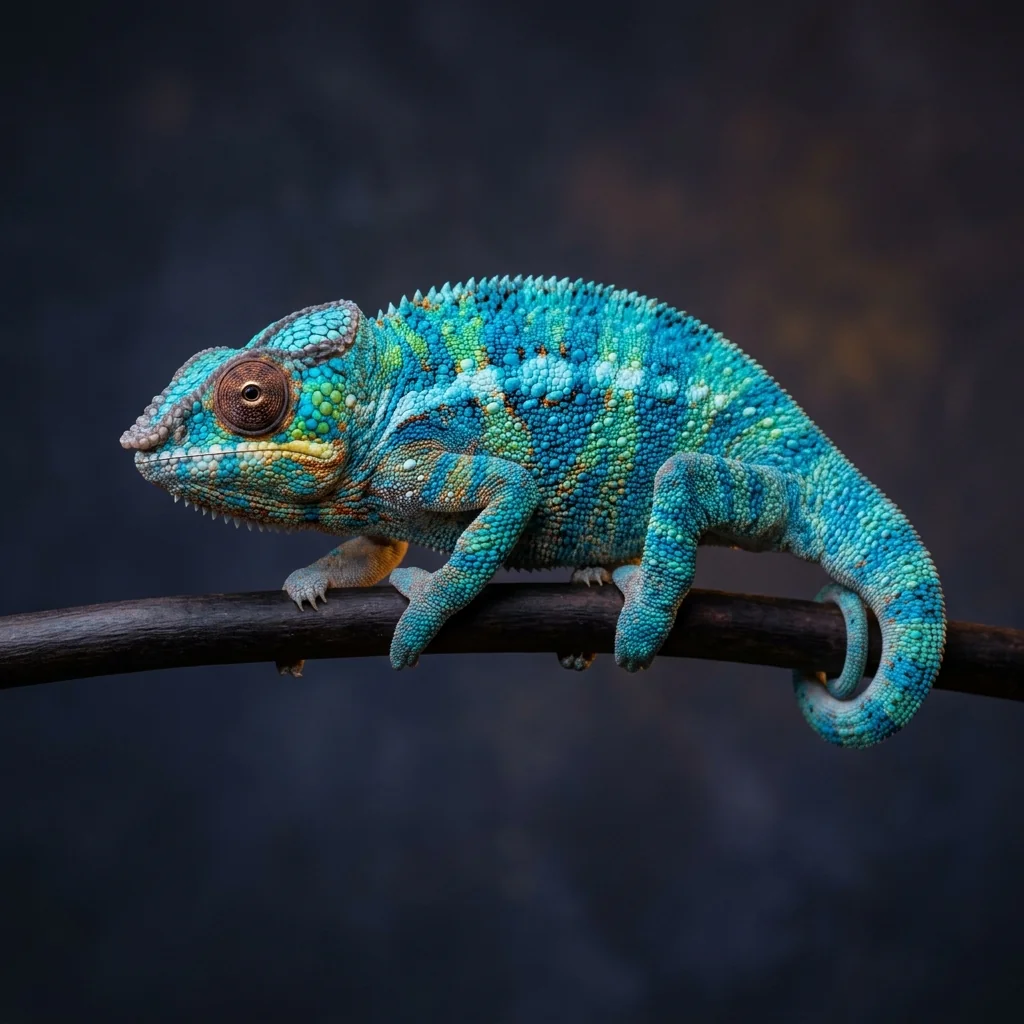
Native to Madagascar, the Panther Chameleon (Furcifer pardalis) is renowned for its intense color morphs (Ambilobe, Nosy Be, etc.) featuring vivid reds, blues, yellows, and greens. With 360-degree independent eyes, fused zygodactylous feet for gripping branches, and a high-speed ballistic tongue, they are captivating display reptiles. However, they do not recognize standing water and require a continuous dripper or misting system on leaves. Adequate ventilation via mesh enclosures to prevent upper respiratory infections, proper UVB lighting for D3 synthesis and calcium metabolism, and minimizing handling stress are critical for their longevity. In this guide, decodes Panther Chameleon behavioral signals and shares a 3-step homecare routine for vocal bonding, environmental setup, and optimal hydration.
Veterinary & Behavioral Evidence
This content is based on Association of Reptilian and Amphibian Veterinarians (ARAV) Clinical Guidelines and Herpetological Standards.
 FreshSelf
Keep pet food and supplements perfectly fresh!
FreshSelf
Keep pet food and supplements perfectly fresh!






1. Panther Chameleon Instincts: Rapid Color Shifting and Threat Gaping
Panther Chameleon Instincts: Rapid Color Shifting and Threat Gaping
Contrary to popular belief, chameleons change colors to regulate body temperature, signal mood, or display territorial dominance rather than for camouflage. Dark or intensely flared colors accompanied by a flattened body or gaped mouth serve as clear warnings of high stress, fear, or defensive threat.
2. Panther Chameleon (Furcifer pardalis)‘s Body Language & Behavioral Signals
Color Shift & Body Flanking
An indicator of thermal regulation, emotional stress, or territorial dominance. Dark, drab tones signify cold temperatures or high stress.
Check ambient temperature and humidity levels, and reduce external visual triggers so the chameleon can settle.
Mouth Gaping & Gular Puffing
A thermal cooling mechanism to vent excess heat, or a aggressive threat display toward perceived predators.
Inspect basking temperatures immediately to adjust heat lamp distance, and stop all handling attempts without crowding.
3. Customized 3-Step Home Care Routine for Panther Chameleon (Furcifer pardalis)
Morning: Turn on UVB/Basking Lamps & Activate Dripper
Turn on UVB and Basking lamps (30–32°C hotspot), start the leaf dripper system, and feed calcium-dusted feeder insects.
Afternoon: Mesh Cage Ventilation & Humidity Inspection
Inspect screen cage air circulation to prevent stagnant moisture, verify ambient temperatures (24–26°C), and check water droplets on foliage.
Evening: Remove Uneaten Insects & 12-Hour Dark Sleep Cycle
Retrieve leftover insects to prevent nocturnal biting, turn off all enclosure lights completely, and maintain a quiet, dark resting environment.
📌 Frequently Asked Questions (FAQ)
Why won't Panther Chameleons drink from a standing water bowl? ▼
Chameleons lack the instinct to recognize standing, motionless water as a drinkable source. They rely exclusively on moving water droplets glistening on live plant leaves. Without a dripper or misting system, they quickly suffer from severe dehydration, gout, and fatal renal failure.
Can Panther Chameleons be handled frequently? ▼
No. Panther Chameleons are solitary, delicate display animals that experience high stress when handled. Frequent handling suppresses their immune system and shortens their lifespan. When movement is necessary, never grab them from above; place your hand calmly beneath them and let them step up voluntarily.