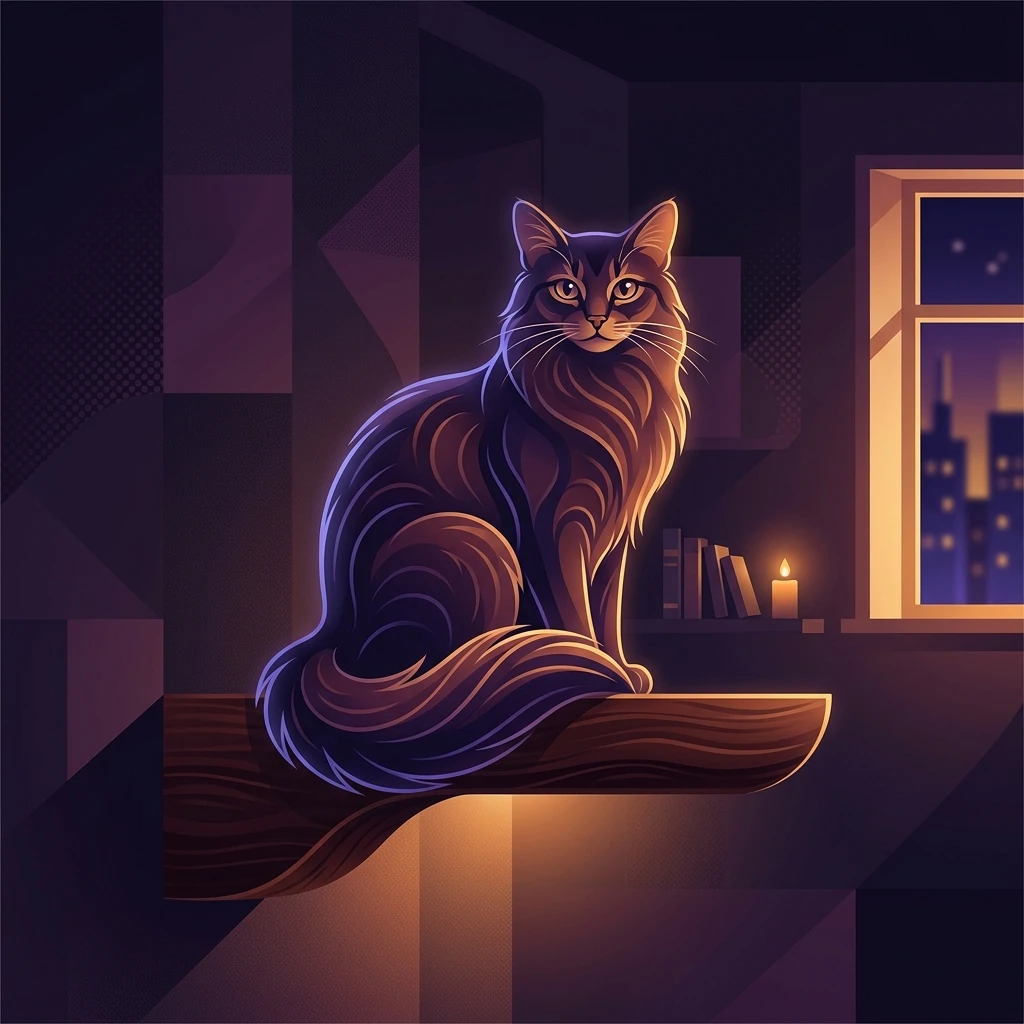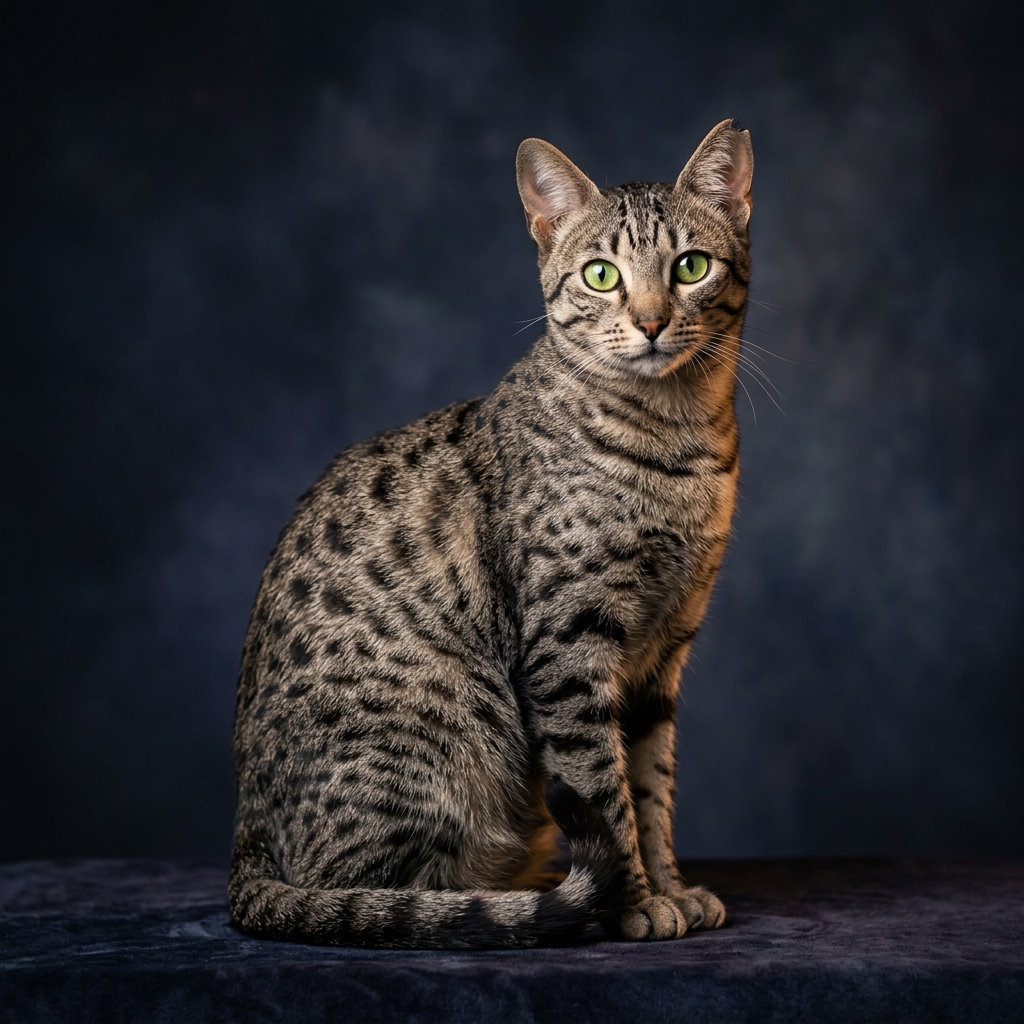
The Egyptian Mau is the only naturally spotted breed of domesticated cat and a living treasure descended from the royal felines depicted in ancient Egyptian artwork. They are distinguished by striking ‘gooseberry green’ eyes, a scarab beetle marking on the forehead, and a unique flap of skin extending from the flank to the hind knee (flank flap). As the fastest domestic cat—capable of reaching speeds up to 30 mph (48 km/h)—providing 3D vertical territory and intense physical exercise is essential. Fiercely loyal and protective of their loved ones, they form deep bonds with their human family. In this guide, decodes Egyptian Mau body language and shares a 3-step daily care routine.
Veterinary & Behavioral Evidence
This content is based on Cat Fanciers' Association (CFA) & TICA Breed Standards, International Society of Feline Medicine (ISFM).
 FreshSelf
Keep pet food and supplements perfectly fresh!
FreshSelf
Keep pet food and supplements perfectly fresh!




1. Egyptian Mau Communication: Tail Wiggling and Chortling Vocalizations
Egyptian Mau Communication: Tail Wiggling and Chortling Vocalizations
When experiencing intense affection or excitement, Egyptian Maus display a unique 'Tail Wiggling' behavior, vibrating their upright tail rapidly without spraying. Instead of typical meows, they express joy through a distinctive 'Chortling' or chattering vocal sound while treading their paws.
2. Egyptian Mau’s Body Language & Behavioral Signals
Upright Tail Vibrating (Tail Wiggling)
An expression of supreme happiness and affection toward their caregiver, not to be confused with urine marking.
Acknowledge their delight with a cheerful voice and gentle petting around their cheeks or neck.
Chortling Sound and Paw Treading (Chortling & Treading)
A friendly social greeting requesting interaction, play, or affection from their trusted human companion.
Engage in soft conversation and initiate an active play session with a feather wand.
3. Customized 3-Step Home Care Routine for Egyptian Mau
Morning: Short-Coat Grooming & Gooseberry Eye Check
Gently brush their silky silver or bronze spotted coat with a rubber brush to maintain shine. Inspect their green eyes for clarity and clean any minor discharge.
Afternoon: 3D Vertical Play & High-Speed Agility Exercise
Utilize tall cat trees that accommodate their explosive jumping ability. Conduct 15-20 minutes of high-speed chase games with feather wands to satisfy their running instinct.
Evening: High-Protein Nutrition & Hydration Management
Feed a lean, high-protein diet to support their muscular, athletic build. Ensure ample fresh water access to maintain kidney and urinary tract health.
📌 Frequently Asked Questions (FAQ)
How do Egyptian Mau spots differ from Bengal spots? ▼
Bengals are a hybrid breed created by crossing domestic cats with Asian Leopard Cats. Egyptian Maus are a naturally occurring breed whose spots exist on both the fur and underlying skin. Maus also exclusively feature gooseberry green eyes and a scarab forehead pattern.
Is the loose skin flap between their belly and hind legs a sign of weight gain? ▼
No, the loose fold of skin extending from the flank to the hind knees (flank flap) is a natural anatomical feature that allows their hind legs to stretch further back, enabling their extraordinary running speeds.