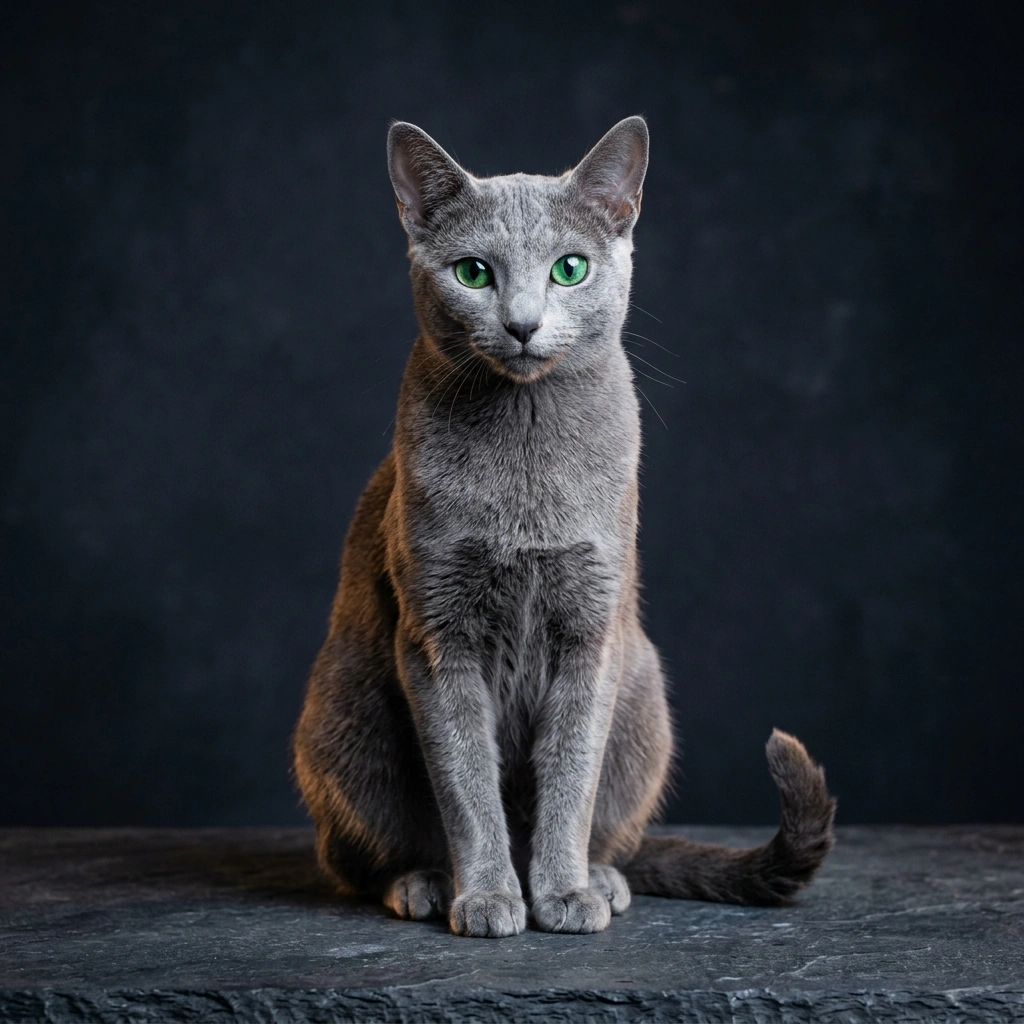
Russian Blues are captivating felines renowned for their short, silvery-blue coat and striking green eyes. While quiet, gentle, and deeply loyal to their family, they are genetically shy, reserved, and highly sensitive to loud noises or environment changes. 🐱 This is why they quickly hide inside cat trees or closets when a guest visits or when a vacuum cleaner runs. Forcing them out of their hiding spots only causes more panic. In this guide, details how to build a safe, stress-free space for your shy Russian Blue and introduces a 3-step routine to build a strong bond with them.
Veterinary & Behavioral Evidence
This content is based on Cat Fanciers' Association (CFA) Breed Standards & Cornell Feline Health Center Guidelines.
 FreshSelf
Keep pet food and supplements perfectly fresh!
FreshSelf
Keep pet food and supplements perfectly fresh!









1. Russian Blue Body Language: Reading Warning Signs of Panic
Russian Blue Body Language: Reading Warning Signs of Panic
Because of their gentle nature, Russian Blues show warning signals quietly before reacting. Key panic signals include 'Dilated Pupils' and 'Crouching'. When they hear a sudden noise or are approached by a stranger, their pupils will dilate, becoming large and round as their stress system activates. If they press their body flat against the floor and flatten their ears sideways into 'airplane ears', they are experiencing extreme fear and are preparing to flee or defend themselves.
2. Russian Blue (Felis catus)‘s Body Language & Behavioral Signals
Dilated Pupils
A physical response indicating they are highly alert, tensed, or scared by surrounding triggers.
Dim the lights and immediately stop the stimulating source (like household appliance noises).
Crouching Low to the Floor
A sign of defensive panic, showing they feel cornered, helpless, or terrified by an unfamiliar target.
Do not force them into physical contact. Allow them to retreat to a quiet room or cabinet where they feel safe.
3. Customized 3-Step Home Care Routine for Russian Blue (Felis catus)
Morning: Litter Box and Feeding Station Safety Routine
Clean the litter box early for this sensitive breed. Ensure their food and water bowls are placed in a quiet corner away from household foot traffic.
Afternoon: Quiet High-Rise Safe Haven Maintenance
Confirm that their cozy, enclosed cat tree condo is always accessible. This gives them a private, elevated escape from unexpected visitors or noises.
Evening: Non-Intrusive Hand Sniff and Soft Bonding
Instead of approaching them directly to pick them up, extend your index finger quietly at their eye level. Let them sniff your hand first to initiate contact.
📌 Frequently Asked Questions (FAQ)
Should I drag my Russian Blue out of their hiding spot when guests arrive? ▼
Absolutely not. Forcing them out of their safe zone triggers severe panic and can damage their trust in you. Let them stay in their hiding spot until the guests leave.
What is the most effective way to bond with a shy Russian Blue? ▼
Lower your posture and avoid direct, prolonged eye contact, which felines view as a threat. Let them sniff your finger first, and reward them with their favorite treats when they approach.