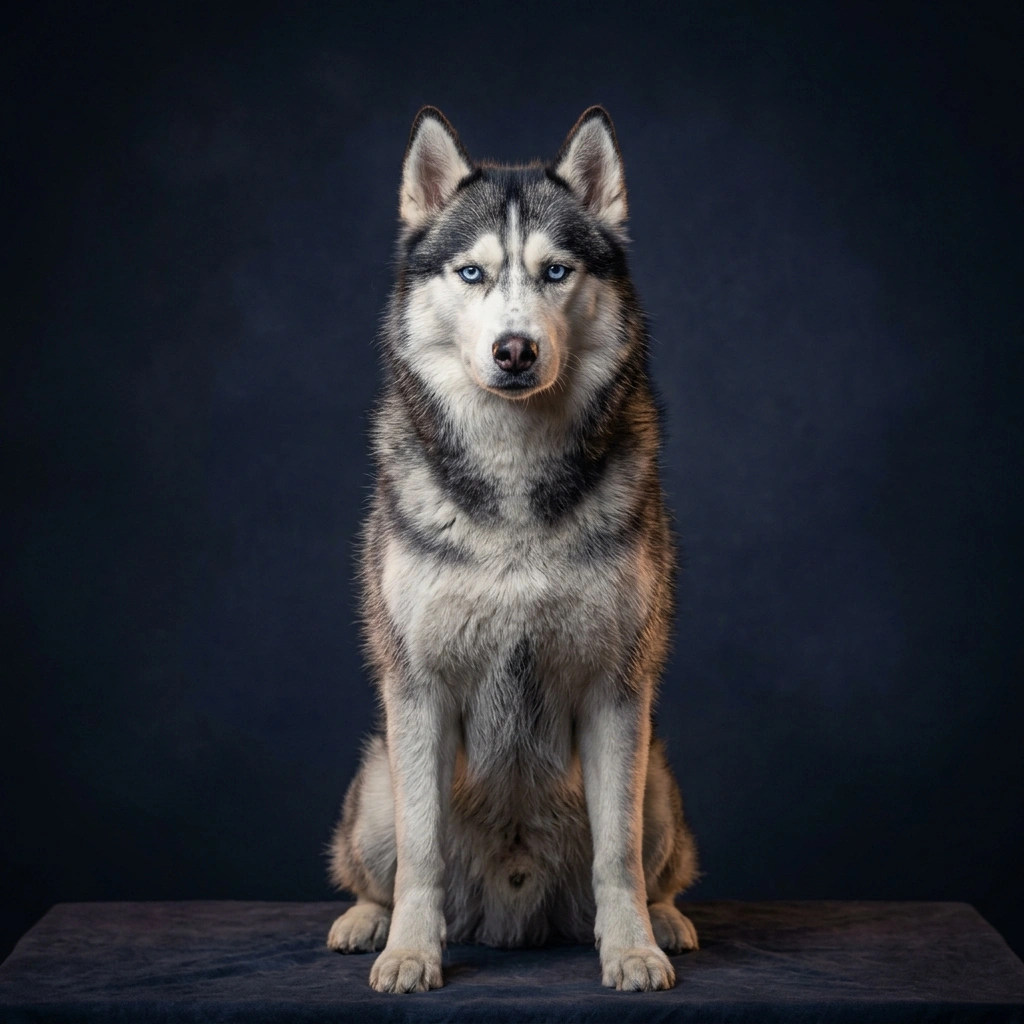
Siberian Huskies are famous for their wolf-like looks, enchanting eyes, and history of pulling sleds in Siberian wilderness. Built with unmatched stamina and a pack-oriented mindset, they are active, independent companions. 🐕
However, their polar heritage makes them vulnerable to hot, humid weather, putting them at high risk of heatstroke in summer. Also, because they were bred to run miles daily, failing to satisfy their energy demands leads to stress, which they express through howling or destructive house-chewing.
In this guide, decodes the unique vocalizations of Huskies communicating their boredom and outlines a 3-step home care guide for double coat maintenance and activity management.
Veterinary & Behavioral Evidence
This content is based on Official Siberian Husky Club of America Breed Guide & IAABC Working Dog Activity Protocols.
 FreshSelf
Keep pet food and supplements perfectly fresh!
FreshSelf
Keep pet food and supplements perfectly fresh!







1. Husky Body Language: Frustrated Howling and Pawing Interaction
Husky Body Language: Frustrated Howling and Pawing Interaction
Siberian Huskies retain strong pack habits and use vocalizations and actions to express themselves. Key communication signals include 'howling' and 'paw offering'. A long, deep howl often communicates boredom or a demand for exercise rather than loneliness. Staring into your eyes and placing their heavy paw on your arm is a direct request for play or walking. Engage them with obedience drills or redirect their energy to chew toys to keep them occupied.
2. Siberian Husky (Canis lupus familiaris)‘s Body Language & Behavioral Signals
Howling / Vocalizing
An expression of extreme boredom and dissatisfaction from lack of exercise, demanding communication.
Take them out for an active sniff walk or set up a challenging nosework mat indoors.
Paw Offering with Eye Contact
An assertive request for attention, play, or walking, treating you as a pack peer.
Do not give in to every demand. Give a command (sit, etc.) first, then reward to maintain order.
3. Customized 3-Step Home Care Routine for Siberian Husky (Canis lupus familiaris)
Morning: Y-harness Fitting and Pulling Force Check
Huskies have strong instincts to pull. Fit a Y-shaped harness to prevent tracheal pressure, and check their synchronized pace with you.
Afternoon: AC Cooling Mats and Intensive Undercoat Slicker Brushing
Sensitive to heat, keep indoors cool. Use a slicker brush and coat king undercoat rake to comb their dense polar double coat deeply, helping heat escape.
Evening: 1-hour Active Walk Check and Long-lasting Wood Chew
Ensure at least 1 hour of active daily walking. To prevent frustrating nighttime howling, provide a safe coffeewood chew stick to channel their energy.
📌 Frequently Asked Questions (FAQ)
How can I stop my Husky from destroying furniture and going restless? ▼
Huskies are working sled dogs with immense stamina. Mix jogging or hiking into their walks. Indoors, use brain puzzle toys and hard wood/antler chews to tire out their jaw muscles.
Will shaving my Husky's double coat make them feel cooler in the summer? ▼
Absolutely not. A Husky's double coat acts as an insulator, blocking outside heat and UV rays. Shaving it destroys their thermal regulation, dramatically increasing the risk of heatstroke and sunburn. Slicker combing to remove dead undercoat is the only correct method.