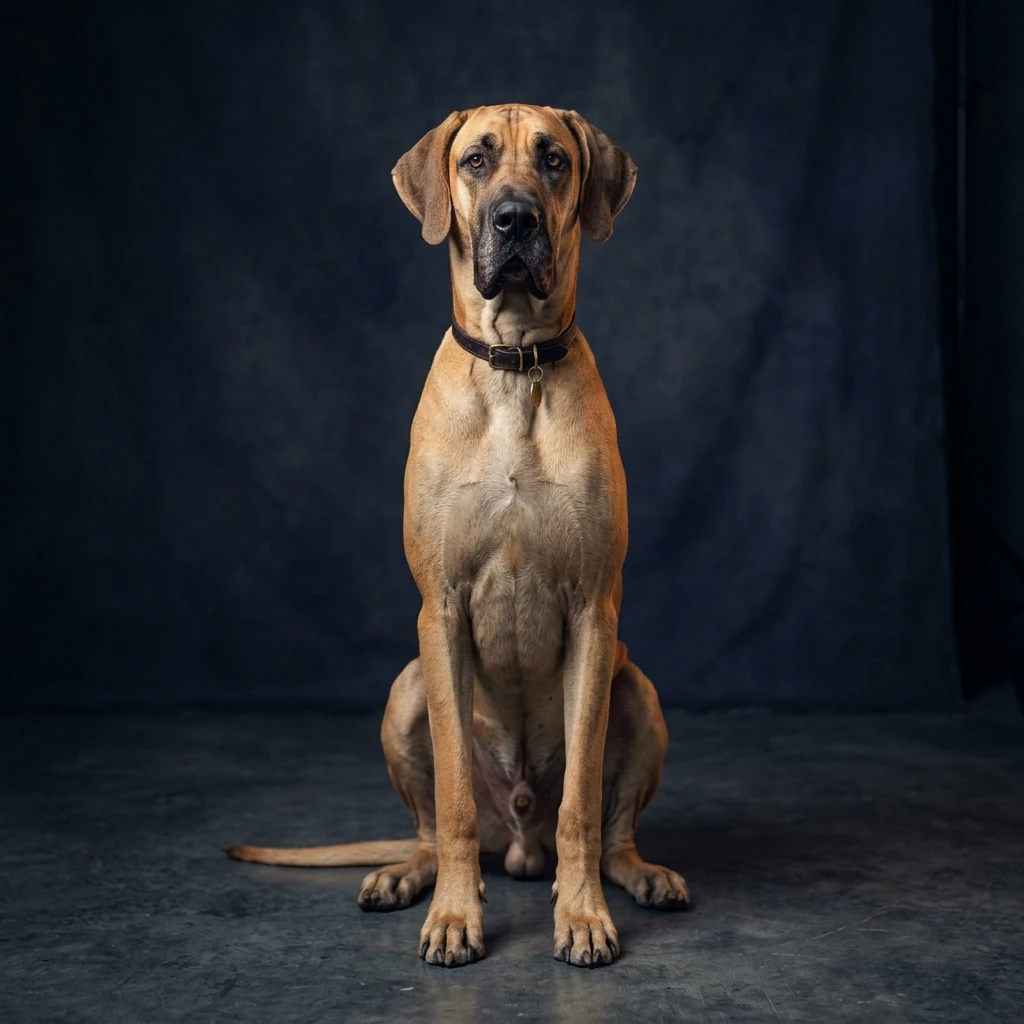
Despite their imposing size, Great Danes are celebrated globally as ‘Gentle Giants’ due to their remarkably mild and loving nature. However, as a giant breed, they experience rapid skeletal growth that places heavy stress on their joints, and they face a dangerously high risk of Gastric Dilatation-Volvulus (GDV or Bloat), a life-threatening emergency. Precise, evidence-based care standards are therefore vital. Furthermore, given their physical strength, gentle and consistent socialization from puppyhood is imperative for safe coexistence with people and other animals. In this guide, we analyze the Great Dane’s unique bonding signals and outline a 3-step routine for GDV prevention, joint integrity, and balanced temperament.
Veterinary & Behavioral Evidence
This content is based on Great Dane Club of America (GDCA) Care Guidelines and American Kennel Club (AKC) Veterinary Clinical Standards.
 FreshSelf
Keep pet food and supplements perfectly fresh!
FreshSelf
Keep pet food and supplements perfectly fresh!









1. Great Dane Instincts: The ‘Dane Lean’ and Gentle Contact Signals
Great Dane Instincts: The 'Dane Lean' and Gentle Contact Signals
Great Danes exhibit a unique affection signal known as the 'Great Dane Lean', where they gently rest their massive body weight against their owner's legs or torso. This is not laziness, but a profound expression of trust and a search for emotional security. Similarly, gently pushing their snout against their owner's hands is a peaceful request for connection and affection.
2. Great Dane’s Body Language & Behavioral Signals
The Great Dane Lean
Leaning their body weight against their owner's legs, expressing deep trust, affection, and a desire for physical closeness and security.
Avoid pushing them away abruptly; adjust your stance calmly and offer gentle strokes to reinforce emotional security.
Gentle Nudging
Lightly pushing their snout against your hand or knee, serving as a polite and gentle request for affection and interaction.
Acknowledge them with a calm voice and soft petting to positively reinforce their gentle and polite behavior.
3. Customized 3-Step Home Care Routine for Great Dane
Morning: GDV Prevention Feeding & Gentle Flat-Surface Walk
Strictly avoid high-intensity exercise 1 hour before and after meals. Use a slow-feeder bowl and ensure at least 1 hour of quiet rest post-meal before a gentle walk on flat ground.
Afternoon: Joint-Relief Rest & Weight/Skin Inspection
Provide high-density orthopedic bedding to prevent joint inflammation and pressure sores (elbow calluses) caused by heavy body weight, and monitor ideal body condition.
Evening: Positive Reinforcement Socialization & Calm Bonding
Review calm obedience exercises suited for giant breeds, and engage in quiet leaning affection to create a soothing environment for sleep.
📌 Frequently Asked Questions (FAQ)
How can Gastric Dilatation-Volvulus (GDV / Bloat) be prevented in Great Danes? ▼
Prevent rapid bolting of food by using slow-feeder bowls and dividing daily rations into 2–3 smaller meals. Crucially, strictly enforce quiet rest for at least 1 hour before and after feeding—avoiding all vigorous running or play.
Can a Great Dane live comfortably in an apartment or indoor space? ▼
Yes. Adult Great Danes are surprisingly low-energy indoors and are often called 'couch potatoes.' However, they require orthopedic beds, sufficient room to stretch fully, and daily moderate outdoor walks to meet their physical needs.