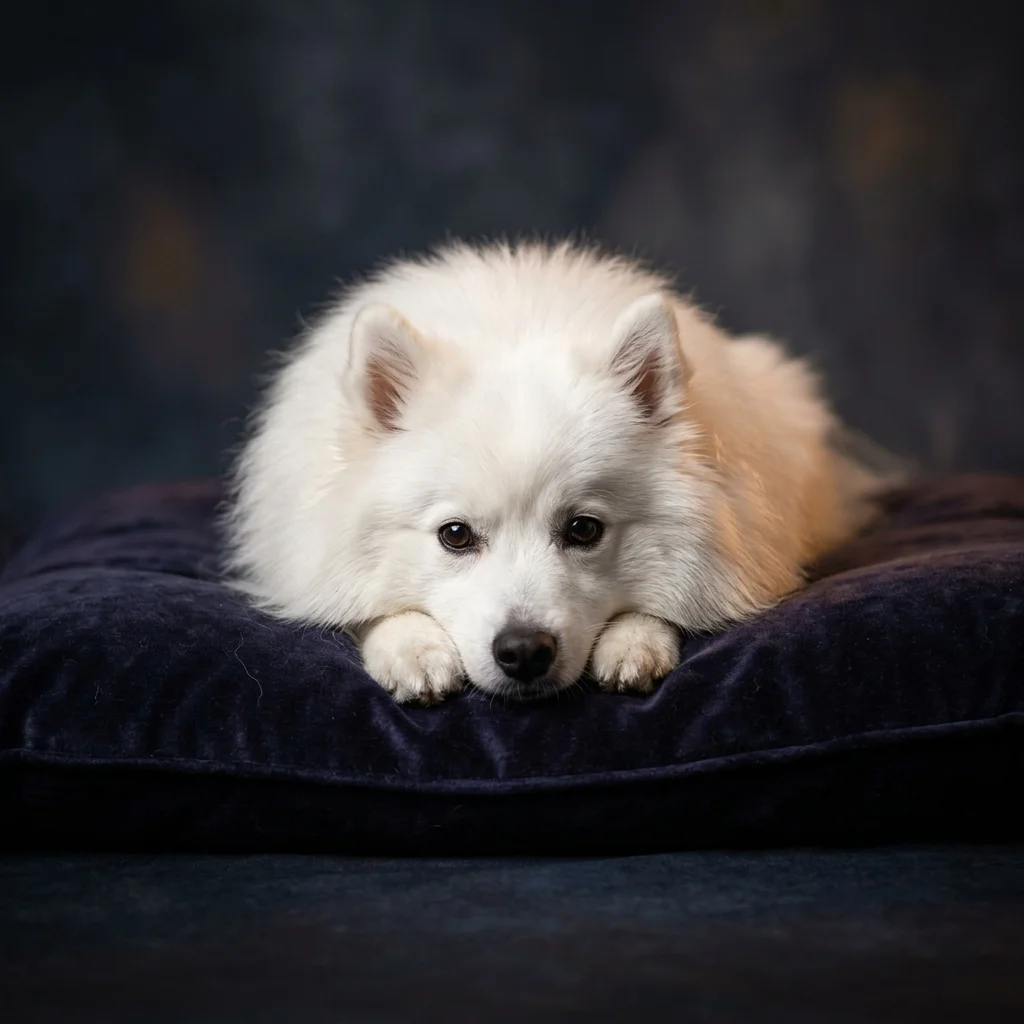
Boasting a lush snow-white double coat and a keen, watchful nature, the Japanese Spitz is a highly intelligent and devoted companion dog. However, as a small-to-medium breed, they are genetically predisposed to Patellar Luxation (dislocation of the kneecap). Additionally, their pure white fur makes tear staining around the eyes noticeable, and their dense undercoat requires structured grooming, especially during seasonal shedding. In this guide, decodes the joint pain and behavioral signals of the Japanese Spitz and outlines a 3-step daily care routine for joint protection and coat maintenance.
Veterinary & Behavioral Evidence
This content is based on Fédération Cynologique Internationale (FCI) Breed Standard No. 262 and Japan Kennel Club (JKC) Veterinary Orthopedic Guidelines.
 FreshSelf
Keep pet food and supplements perfectly fresh!
FreshSelf
Keep pet food and supplements perfectly fresh!









1. Japanese Spitz Physical Signals: Skipping Step (Limping) and Sharp Alert Barking
Japanese Spitz Physical Signals: Skipping Step (Limping) and Sharp Alert Barking
If a Japanese Spitz suddenly displays a 'skipping step or running on three legs' while walking or playing, this is a classic indicator of patellar luxation. Conversely, 'sharp continuous barking' in response to environmental stimuli stems from their strong watchdog heritage and keen territorial alertness.
2. Japanese Spitz’s Body Language & Behavioral Signals
Skipping Step (Intermittent Limping)
The kneecap has slipped out of its groove in the knee joint, causing temporary pain or discomfort, leading the dog to hold the leg up briefly.
Avoid forcefully bending the leg. Have an exotic or orthopedic vet evaluate the knee grade (Grades 1–4), install non-slip mats at home, and start joint supplements.
Sharp Alert Barking
A reaction triggered by acute hearing and protective instincts when hearing unfamiliar sounds or seeing strangers near their territory.
Conduct sound desensitization training and provide mental enrichment like nosework toys to calm anxiety and reduce unnecessary barking.
3. Customized 3-Step Home Care Routine for Japanese Spitz
Morning: Joint Health Inspection & Undercoat Slicker Brushing
Check hind leg joints for stiffness or discomfort upon waking. Gently brush the dense double coat using a slicker brush and pin brush along the grain of the fur to prevent matting.
Afternoon: Indoor Anti-Slip Floor Check & Low-Impact Exercise
Ensure indoor living areas are covered with non-slip rugs or mats. Provide 30 to 40 minutes of flat-surface walking to burn energy without stressing the knee joints.
Evening: Tear Stain Cleaning & Coat Line-Brushing
Wipe away tear discharge around the eyes using specialized eye-cleaning pads to prevent red yeast discoloration, and do a thorough evening line-brushing to remove debris.
📌 Frequently Asked Questions (FAQ)
Does the Japanese Spitz need frequent baths to keep its white coat clean? ▼
No. The outer coat of a Japanese Spitz has a unique texture that allows dried mud and dirt to fall off easily. Bathing too often strips natural oils and causes dry skin. Bathing once every 3 to 4 weeks paired with regular brushing is sufficient.
How can I prevent patellar luxation in my Japanese Spitz? ▼
Weight management is critical, as obesity increases stress on knee joints. In addition, place non-slip mats on slippery floors, discourage jumping off furniture or standing on hind legs, and administer glucosamine/MSM joint supplements.