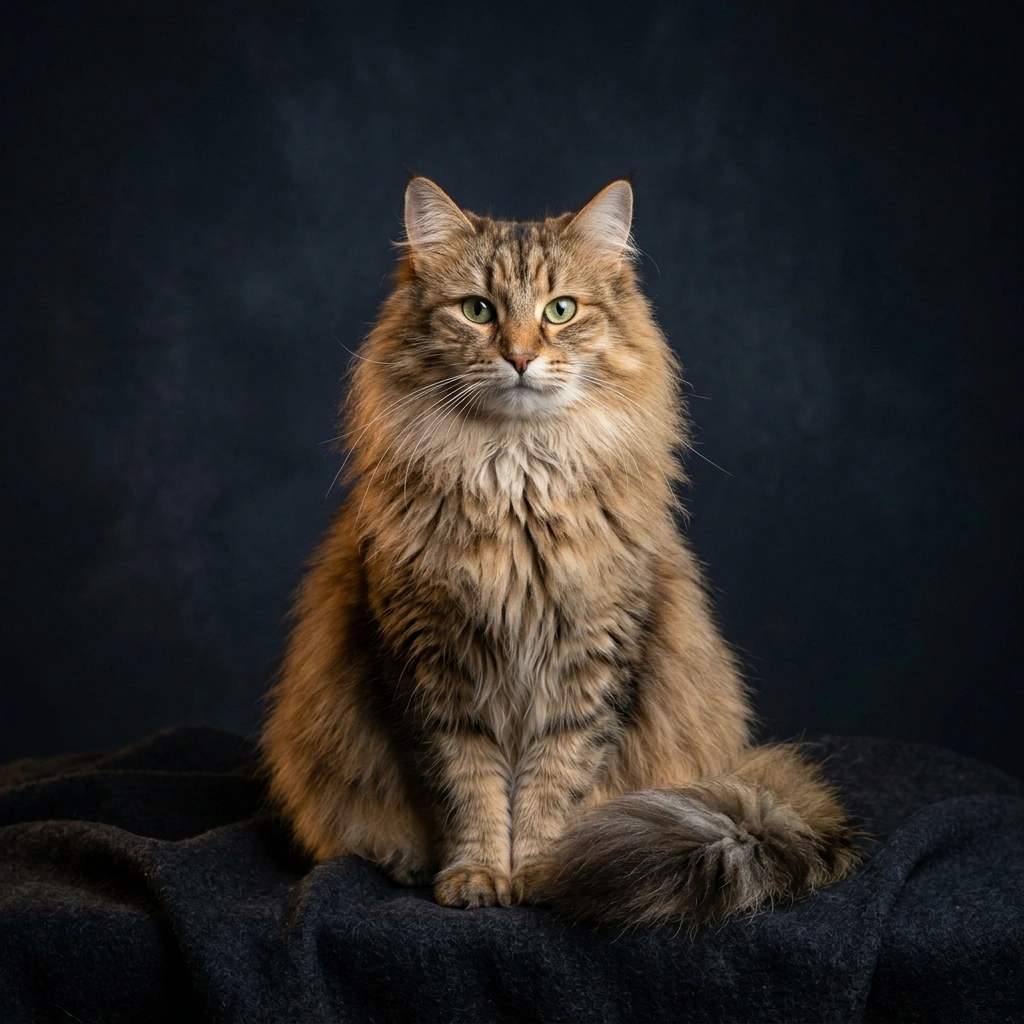
The Norwegian Forest Cat, affectionately called the ‘Wegie’, evolved to survive the harsh Scandinavian winters, developing a large, sturdy skeleton and a dense, water-repellent triple coat. As a large feline breed, they possess high active energy and a powerful natural instinct to climb high spaces. 🐈 However, their heavy coat requires consistent grooming to prevent severe hairballs and skin inflammation, while jumping from high towers can place strain on their joints. In this guide, decodes the unique body language of the Norwegian Forest Cat and introduces a 3-step homecare routine to satisfy their vertical drive and protect their coat and joints.
Veterinary & Behavioral Evidence
This content is based on The International Cat Association (TICA) Breed Standards & Feline Veterinary Behavior Protocols.
 FreshSelf
Keep pet food and supplements perfectly fresh!
FreshSelf
Keep pet food and supplements perfectly fresh!









1. Norwegian Forest Cat Body Language: Indicators of Trust and Wild Alertness
Norwegian Forest Cat Body Language: Indicators of Trust and Wild Alertness
Norwegian Forest Cats carry a dignified wild presence and communicate their emotions with gentle intelligence. Approaching slowly with a vertical tail slightly curved at the tip like a question mark (?) is a clear sign of deep trust and friendly affection. Conversely, when their pupils dilate and their ears flatten sideways into 'airplane ears', it indicates they have sensed a threat or feel anxious in their environment.
2. Norwegian Forest Cat (Felis catus)‘s Body Language & Behavioral Signals
Upright Tail Curved Like a Question Mark
A signal of contentment, curiosity, and friendly affection when approaching the owner.
Respond with a soft, gentle voice and lightly stroke around their head and cheeks to deepen your bond.
Dilated Pupils & Flattened Airplane Ears
A state of high tension and alertness triggered by sudden noises or an unfamiliar environment.
Avoid direct eye contact, and allow the cat to retreat independently to a high cat tree or quiet hideout.
3. Customized 3-Step Home Care Routine for Norwegian Forest Cat (Felis catus)
Morning: Dynamic Vertical Hunting Play Session
Wave feather or laser wands up and down cat towers and poles to stimulate their innate climbing and hunting instincts.
Afternoon: Undercoat De-Shedding Brushing for Water-Repellent Triple Coat
Use a slicker brush and a steel comb to comb deeply into mat-prone areas like the armpits and chest ruff, removing dead undercoat.
Evening: Landing Zone Shock Absorption Check & Claw Trimming
Place shock-absorbing mats beneath high landing spots of cat trees, and trim claws regularly to prevent slipping injuries on floors.
📌 Frequently Asked Questions (FAQ)
Is their shedding significantly worse than other cats? ▼
Yes. Due to their dense double/triple coat, they shed heavily during seasonal changes in spring and autumn. Brushing at least twice daily during shedding season is essential to prevent hairballs.
Is it true that Norwegian Forest Cats love water? ▼
Because they are a natural breed with water-repellent guard hairs, many show less fear around water. However, forcing them into baths causes extreme stress, so never force water bathing.