Have you ever bought a bag of crisp soybean or mung bean sprouts, put them straight into the fridge, only to find the stems turning black, slimy, and spoiled a few days later? 🌱
Bean sprouts consist of over 90% water and remain highly active in respiration even after harvesting. When trapped inside a plastic bag, moisture gets locked in while oxygen is restricted, creating a humid environment that exponentially speeds up bacterial growth and decay.
In this guide, introduces a scientifically proven 3-step storage guide recommended by agriculture and food safety experts to keep your bean sprouts firm, crisp, and fresh. 🛡️
Food Safety & Scientific Evidence
This content is based on RDA & USDA & MFDS.
 FreshSelf
Zero waste! Your smart storage assistant
FreshSelf
Zero waste! Your smart storage assistant









1. Scientifically Proven Storage Guide
Sort damaged stems and rinse gently — Remove Decay Sources 📦
Blackened or mushy stems accelerate decay in surrounding healthy sprouts. 💡 Storage Tip: Pick out bruised stems, gently rinse under cold running water to remove loose hulls and debris.
Submerge in cold water inside an airtight container — Moisture Preservation 🌊
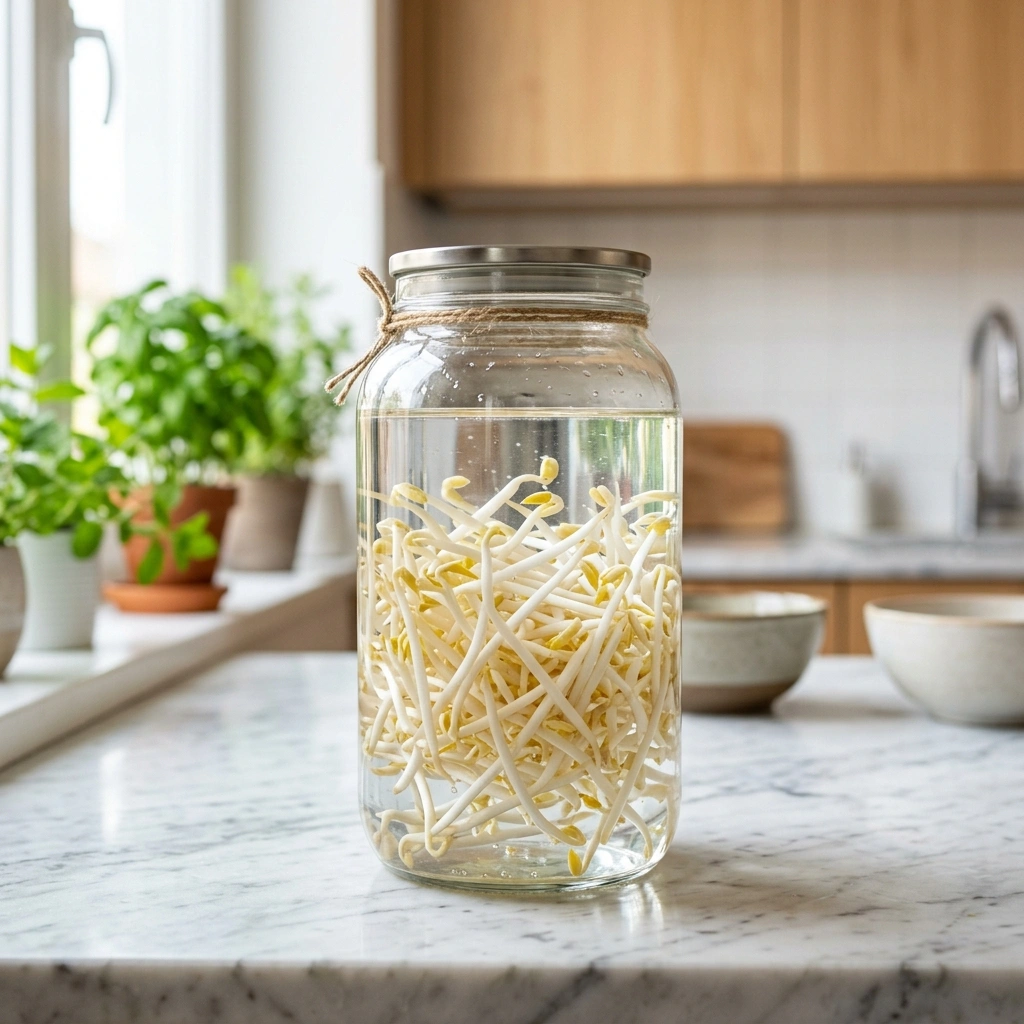
Exposing sprouts to ambient air causes oxidation, moisture loss, and tough textures. 💡 Storage Tip: Place sprouts in a container and fill with clean cold water until entirely submerged, then seal with the lid.
Refrigerate at 3–5°C and replace water daily — Cold Storage (7–10 Days) ❄️
Lower temperatures slow down cellular respiration and maintain crispness. 💡 Storage Tip: Store in the fridge crisper drawer (3–5°C) and change the water daily to keep them crisp for up to 7–10 days.
2. Essential Storage Rules and Cautions
Leaving sprouts in their original plastic bag traps respiration moisture, causing rapid browning, mushiness, and bad odors. Remove them from the packaging immediately after purchase.
Submerging sprouts in water prevents dehydration and browning, but stagnant water breeds bacteria, making stems slimy. You must replace the water with fresh cold water at least once a day.
📌 Frequently Asked Questions (FAQ)
Can I freeze bean sprouts? ▼
Freezing raw sprouts creates ice crystals that rupture cell walls, making them limp and watery upon thawing. If you must freeze, blanch them in boiling salted water for 10–20 seconds, shock in ice water, squeeze dry, and freeze in Ziploc bags for up to 1 month. Add directly into soups without thawing.
Does submerging bean sprouts in water leach out nutrients? ▼
Soaking sprouts in water over extended periods can cause slight loss of water-soluble vitamins like Vitamin C. If you plan to consume them within 3–4 days, wrapping unwashed sprouts in paper towels inside a sealed container without water is a great alternative.