Have you ever bought nutrient-rich dried beans only to find pantry pests in them later, or struggled to cook them soft because they became rock-hard over time? 🫘
Dried beans are a wonderful shelf-stable staple due to their low moisture content, but they are highly sensitive to humidity, light, heat, and pantry pests like bean weevils. Improper storage causes moisture loss and heat damage, leading to the ‘hard-to-cook’ defect where beans won’t soften even after hours of boiling, as well as mold or pest infestation.
In this guide, introduces a scientifically proven 3-step storage guide based on guidelines from agricultural and food safety experts to preserve the nutrition, flavor, and texture of your beans for a long time. 🛡️
Food Safety & Scientific Evidence
This content is based on RDA & USDA & MFDS.
 FreshSelf
Zero waste! Your smart storage assistant
FreshSelf
Zero waste! Your smart storage assistant







1. Scientifically Proven Storage Guide
Transfer to airtight containers — Moisture & Pest Barrier 📦
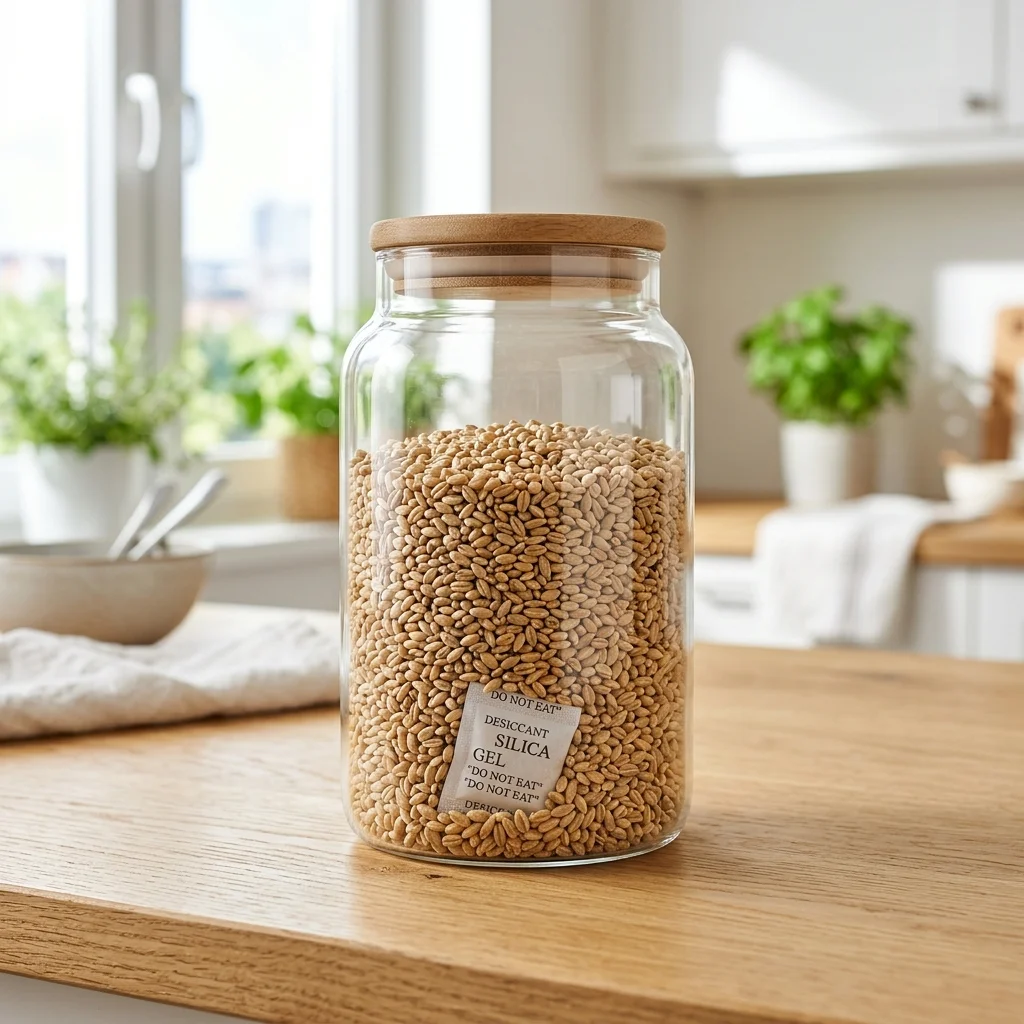
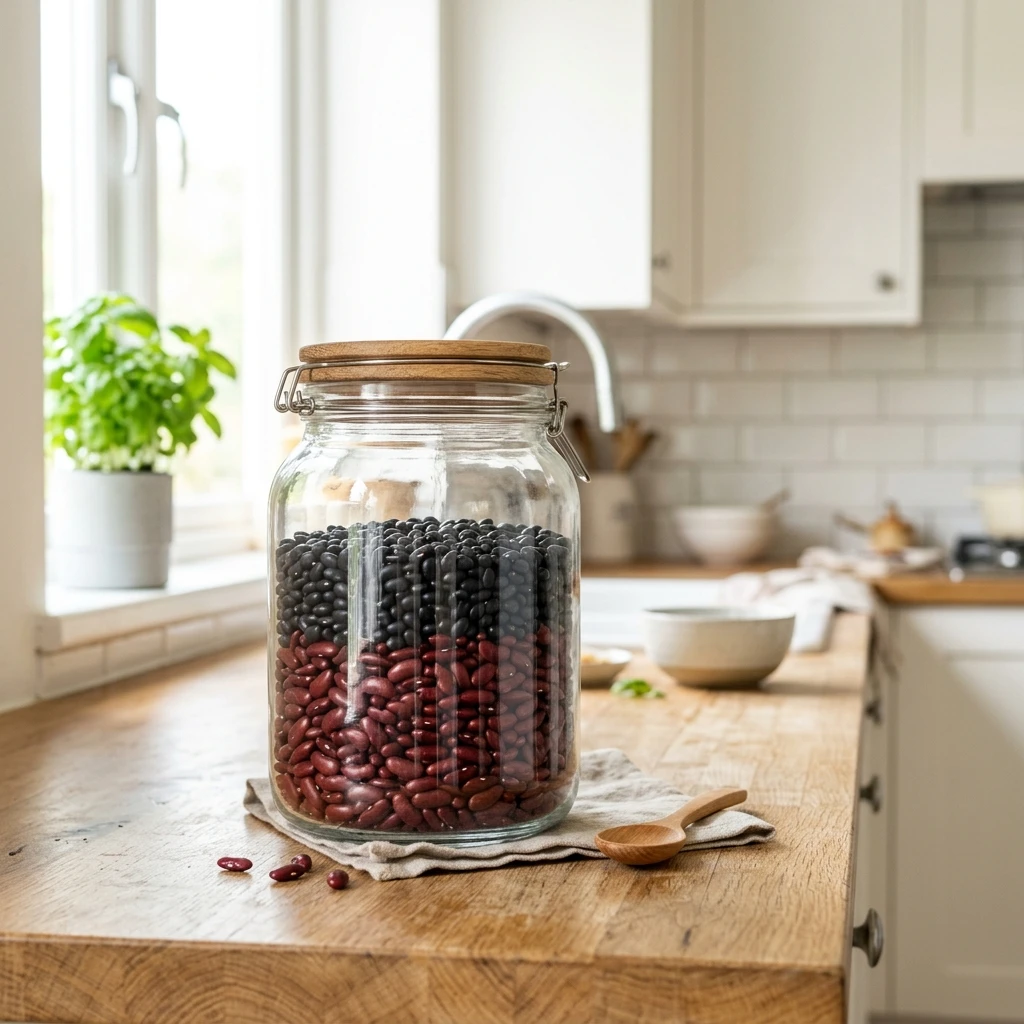
Leaving dry beans in opened retail bags exposes them to moisture and pest invasion. 💡 Storage Tip: Transfer dry beans to glass jars, thick plastic airtight containers, or Ziploc bags and seal tightly. This blocks oxygen and ambient humidity, preventing pests and maintaining stable moisture.
Store in a cool, dark pantry at room temperature — Room Storage (1–2 Years) ☀️
Keeping beans in a dark place away from direct sunlight is essential for preserving quality. 💡 Storage Tip: Store in a dry, dark pantry or cabinet (10–20°C / 50–68°F) with humidity below 60%. In this environment, beans maintain optimal flavor, nutrition, and softness for 1–2 years.
Portion and freeze cooked beans — Cold Storage (180 Days) ❄️
Soaked and boiled beans become highly susceptible to bacterial growth and should not be left at room temperature. 💡 Storage Tip: Portion cooked beans into single-meal sizes, seal in airtight containers or Ziploc bags, and store in the freezer (-18°C or below). They can be added directly to rice, salads, or soups.
2. Essential Storage Rules and Cautions
Leaving beans in high humidity or heat near stoves alters their cell wall and protein structure, causing the 'hard-to-cook' defect where they remain tough regardless of boiling time. Always store them in a cool, dry place.
Pantry pests like bean weevils can easily pierce through original paper boxes or thin plastic bags. Transfer beans to high-quality airtight containers immediately after purchase.
📌 Frequently Asked Questions (FAQ)
Do dried beans ever expire? ▼
Dried beans have a low moisture content, making them nutritionally safe to store for years or even decades if kept dry and sealed. However, after 2 years, they lose internal moisture and natural fats oxidize, making them take much longer to cook. Consuming them within 1–2 years yields the best flavor and texture.
Is there a trick to prevent pantry pests in beans? ▼
Place newly purchased dry beans in a Ziploc bag and freeze them for 48 hours. This kills any potential insect eggs or larvae. Afterward, let them return to room temperature, dry off any surface moisture, and store them in airtight containers. Adding dried chili peppers or garlic cloves inside the container also acts as a natural pest repellent.