Have you ever bought fresh blueberries with high hopes, only to store them in the fridge and find them soft, squishy, and covered in fuzzy mold within days? 🫐
Blueberries have very thin skins and are extremely sensitive to humidity. Even a minor lapse in moisture control allows gray mold fungus (Botrytis) to spread rapidly. The key to maintaining freshness lies in when you wash them and how well you preserve their natural protective layer (bloom).
In this guide, shares a scientifically proven 3-step storage guide based on guidelines from the USDA and RDA to keep your blueberries plump, nutrient-rich, and mold-free for over 10 days. 🛡️
Food Safety & Scientific Evidence
This content is based on USDA & RDA & MFDS.
 FreshSelf
Zero waste! Your smart storage assistant
FreshSelf
Zero waste! Your smart storage assistant








1. Scientifically Proven Storage Guide
Do not wash until right before consumption — Preserve Natural Bloom 🫐
The white powder coating blueberries is 'Bloom', a natural epicuticular wax produced by the fruit itself. It serves as a vital shield preventing water loss and blocking external pests and fungal pathogens. 💡 Storage Tip: Washing berries prior to storage strips away the bloom and causes moisture to alter osmotic pressure, making them soft rapidly. Keeping them dry is the first rule of freshness.
Line container bottom with paper towels and layer flat — Moisture Control 📰
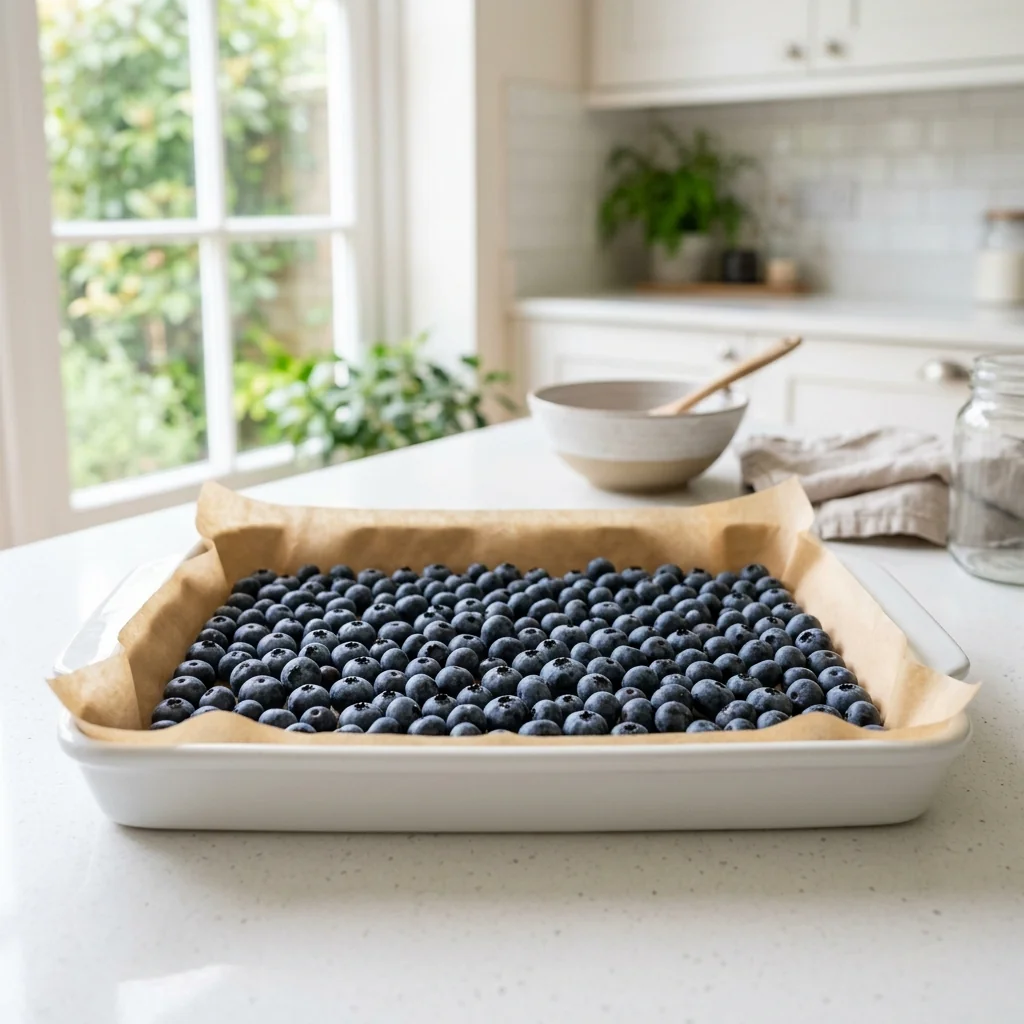
When blueberries are stacked deeply, the weight of the upper berries crushes the lower ones, causing them to burst and rot. 💡 Storage Tip: Line the bottom of a wide container with 2–3 layers of paper towels and spread blueberries in a single thin layer. The paper towels absorb fine condensation and moisture, preventing bottom berries from decaying.
Refrigerate with ventilation without airtight sealing — Cold Storage (10 Days) ❄️
Sealing blueberries tightly in an airtight container traps carbon dioxide and moisture generated by fruit respiration, causing them to rot quickly. 💡 Storage Tip: Use a ventilated container with breathing holes or leave container lids slightly open in the crisper drawer (0–2°C). This reduces condensation and preserves optimal firm texture for over 10 days.
2. Essential Storage Rules and Cautions
The white powdery coating on blueberry skin is a natural wax shield called 'Bloom'. It prevents moisture loss and blocks fungal spore intrusion. Washing blueberries before storage destroys this protective layer and traps moisture, triggering explosive mold and bacterial growth. Wash them only right before eating.
Fungal spores on blueberries spread instantly to neighboring berries through physical contact. Even a single squishy or moldy blueberry can ruin the entire container within days. Always sort through your berries right after purchase and remove any damaged ones.
📌 Frequently Asked Questions (FAQ)
Is the white powder on blueberries pesticide residue? Should I scrub it off? ▼
No, it is not pesticide residue. The white coating is 'Bloom', a natural plant wax secreted by the fruit to protect itself from drying and disease. A prominent, even layer of bloom indicates fresh, high-sugar blueberries. Simply rinse them lightly under cold water just before eating.
Can I freeze blueberries for long-term storage? ▼
Yes, blueberries freeze exceptionally well. Sort unwashed, completely dry blueberries, place them in a single layer inside a freezer ziploc bag, and freeze below -18°C for up to 1 year. Freezing actually preserves and concentrates anthocyanin antioxidants, making frozen blueberries highly nutritious.