Have you ever taken out buckwheat flour or noodles only to find that their signature nutty aroma was gone, replaced by a bitter, rancid odor? 🌾
Buckwheat is a highly nutritious pseudograin rich in the antioxidant rutin and a high proportion of unsaturated fatty acids. However, once milled into flour, exposure to air and moisture rapidly activates the enzyme lipase. Lipase breaks down unsaturated fatty acids into free fatty acids, destroying buckwheat’s pleasant nutty flavor and causing bitterness and rancidity.
Based on official guidelines from the Rural Development Administration (RDA) and the USDA, this 3-step scientific storage guide explains how to inhibit lipase activity and preserve buckwheat’s flavor for over a year. 🛡️
Food Safety & Scientific Evidence
This content is based on RDA & USDA & MFDS.
 FreshSelf
Zero waste! Your smart storage assistant
FreshSelf
Zero waste! Your smart storage assistant









1. Scientifically Proven Storage Guide
Store in airtight containers below 4°C — Cold Refrigerated Storage (180 Days) 🌾
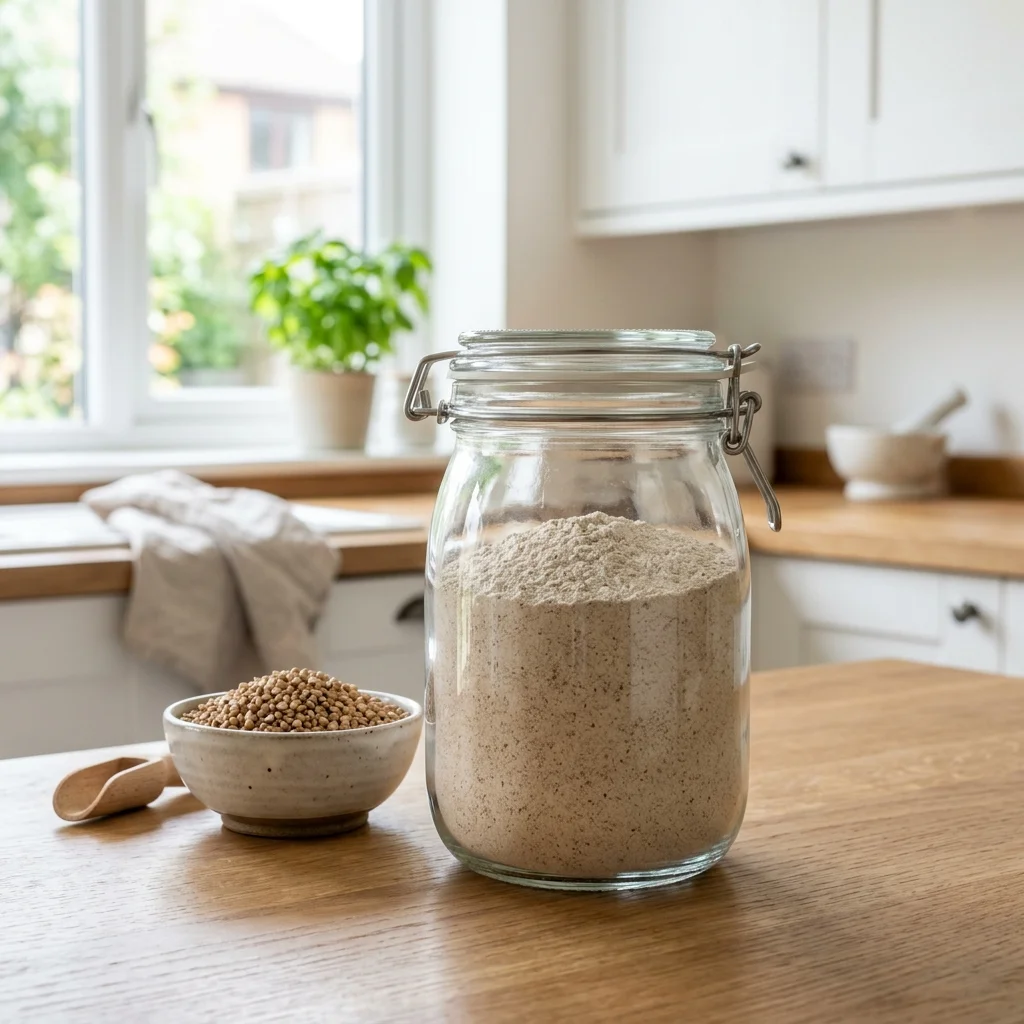
Keep buckwheat flour (moisture content ≤ 13%) in an airtight container under 50% relative humidity inside the fridge (0–4°C / 32–39°F). 💡 Storage Tip: Temperatures below 4°C strongly suppress lipase activity, locking in freshness for 6 months.
Freeze in airtight packaging for long-term storage — Frozen Storage (365+ Days) 🧊
At temperatures below -18°C (0°F), lipase enzyme activity and lipid oxidation practically cease. 💡 Storage Tip: Squeeze excess air out of zip-top bags or airtight containers and store in the freezer to keep buckwheat fresh for over a year.
Minimize moisture exposure and seal immediately after use — Moisture Seal 🧴
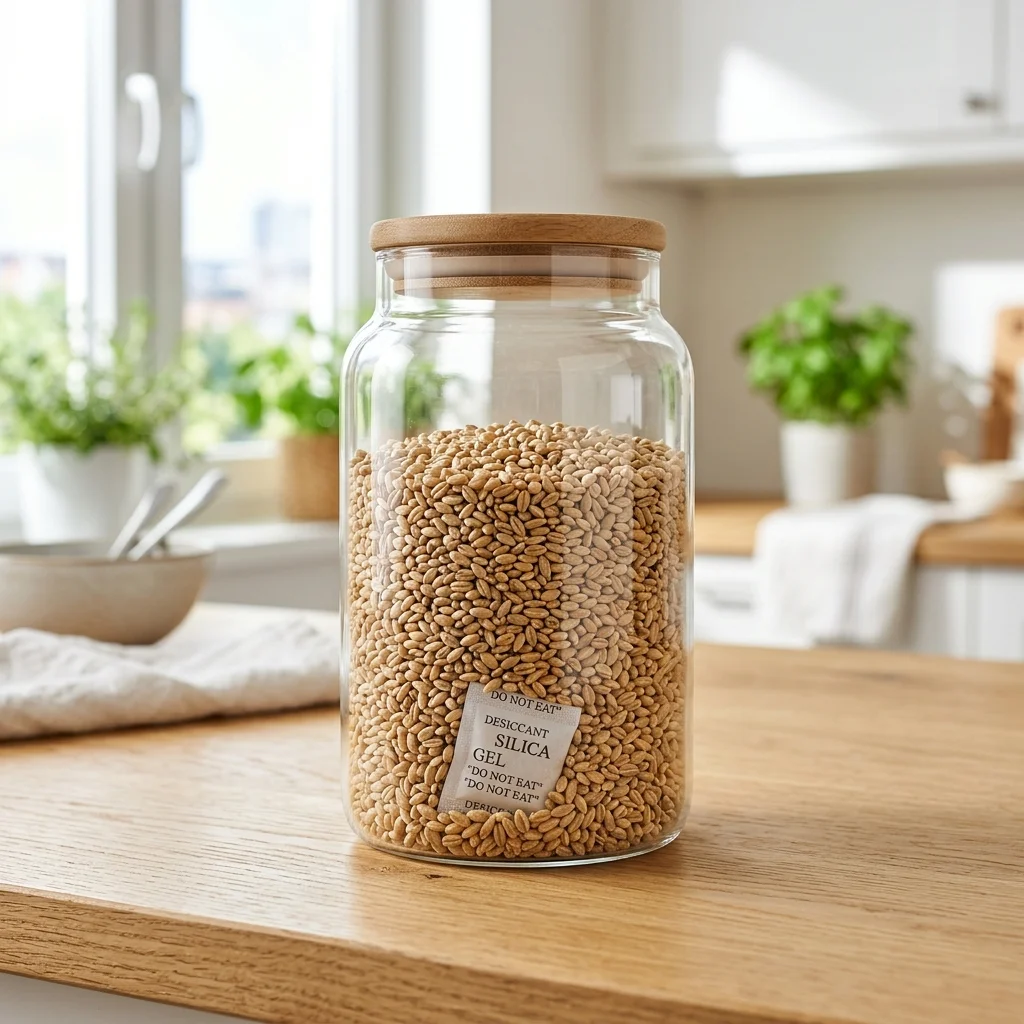
Milled buckwheat flour has a significantly larger surface area than whole groats, accelerating oxidation. 💡 Storage Tip: Mill or buy small quantities, seal tightly after each use, and include a food-grade desiccant packet to control moisture.
2. Essential Storage Rules and Cautions
Leaving buckwheat flour in warm and humid conditions sharply boosts lipase activity, rapidly decomposing fatty acids. This degrades the nutty flavor and produces a harsh bitter taste.
Exposure to air and ultraviolet light accelerates the autoxidation of rutin and unsaturated fats. Always store in airtight, opaque containers kept below 50% relative humidity.
📌 Frequently Asked Questions (FAQ)
Why does buckwheat flour go rancid and taste bitter so quickly at room temperature? ▼
Milling exposes buckwheat's unsaturated fatty acids to oxygen and moisture, activating the enzyme lipase. Lipase breaks down these fats into free fatty acids, destroying the nutty aroma and producing bitter, stale off-flavors.
What are the most critical conditions for long-term buckwheat storage? ▼
Maintaining a moisture content below 13% and relative humidity under 50% in airtight packaging, stored in the fridge (below 4°C) or freezer (below -18°C). This suppresses lipase activity and blocks oxidation for 6 to 12+ months.