Have you ever opened a box of crisp cereal, rolled the inner bag loosely, and found it soggy, stale, or smelling rancid a few days later? 🥣
Cereal is a processed grain food engineered to have an extremely low moisture content below 3–5%. Because it is highly hygroscopic (moisture-attracting), exposure to ambient air softens its starch matrix and turns it soggy. Furthermore, grain lipids react with oxygen over time, causing rancidity, while also attracting pantry pests like mealmoths.
In this guide, introduces a scientifically proven 3-step storage guide based on food safety guidelines to keep your cereal crunchy, flavorful, and fresh for a long time. 🛡️
Food Safety & Scientific Evidence
This content is based on FDA & USDA & MFDS.
 FreshSelf
Zero waste! Your smart storage assistant
FreshSelf
Zero waste! Your smart storage assistant









1. Scientifically Proven Storage Guide
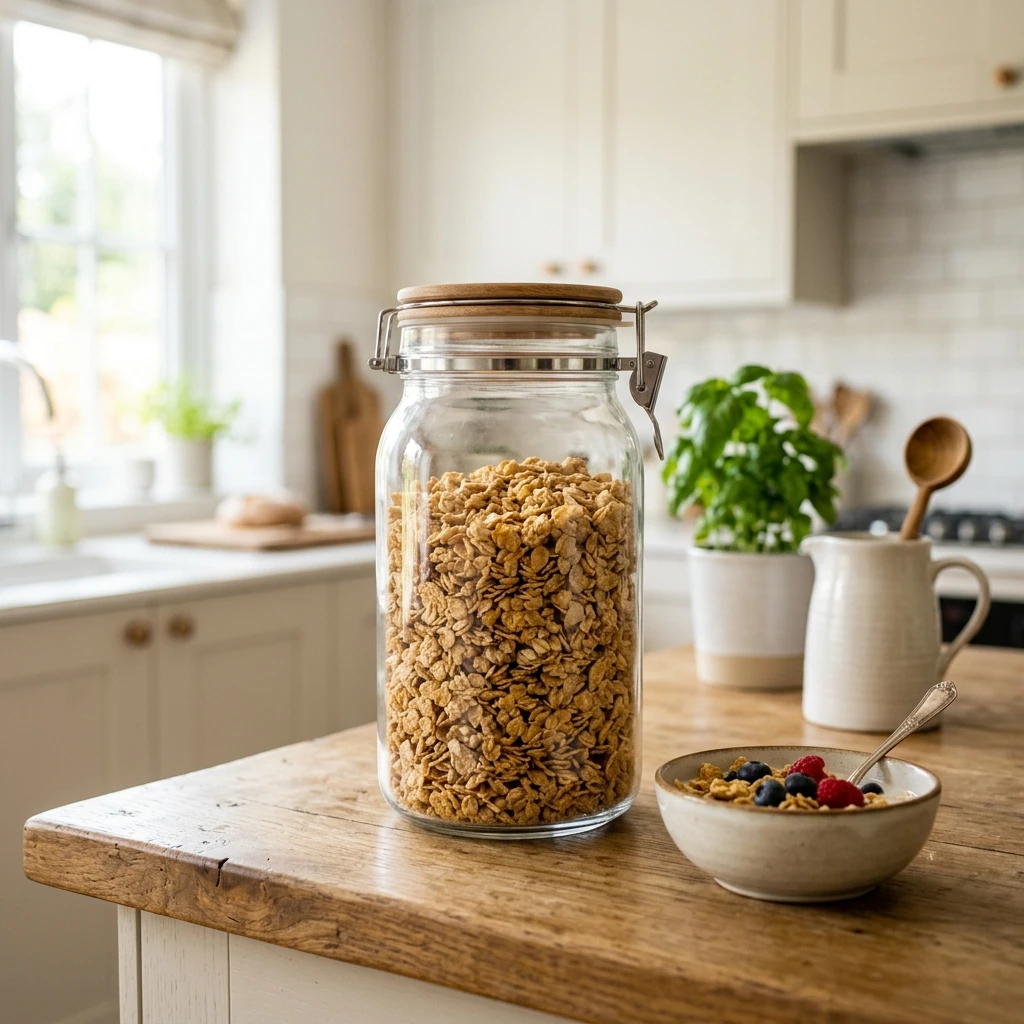
Transfer to an airtight container or seal tightly with a bag clip — Air & Moisture Barrier 📦
Minimizing air exposure after opening is key to preserving crunchiness. 💡 Storage Tip: Fold the inner bag opening 2–3 times and seal tightly with a bag clip, or transfer the cereal into a dedicated glass or plastic airtight container.
Store at room temperature in a dry, cool pantry — Room Storage (90 Days) ☀️
Cereal remains in peak condition in cool, shaded places with low humidity. 💡 Storage Tip: Keep containers in a pantry or cabinet (15–25°C / 59–77°F) with humidity below 50%. Opened cereal maintains its flavor and crunch for 2 to 3 months.
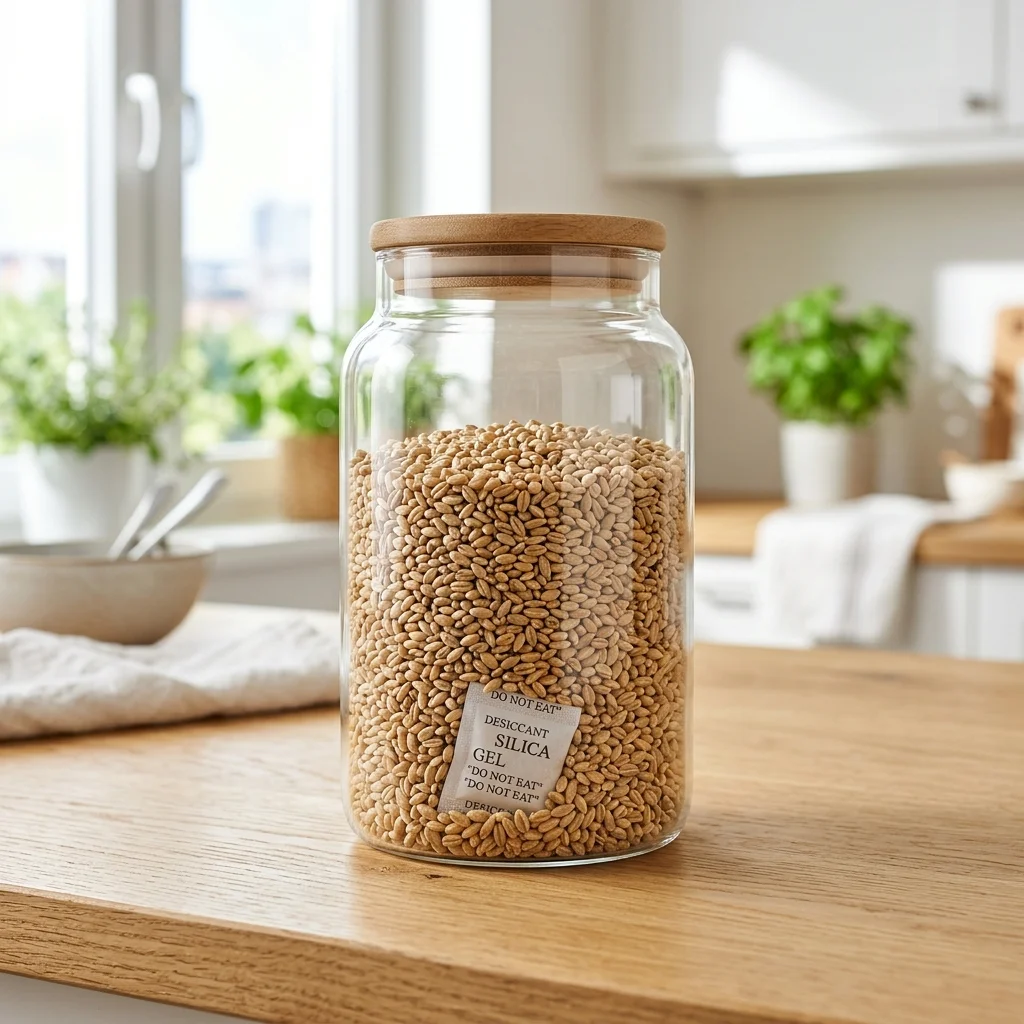
Use food-grade desiccants & prevent pantry pests — Crispness & Pest Defense 🛡️
Preventing subtle air moisture and pests extends quality further. 💡 Storage Tip: Place a food-safe silica gel packet inside the container to continually absorb moisture. Store containers elevated off floors to deter ants and pantry insects.
2. Essential Storage Rules and Cautions
Rolling the inner bag loosely allows ambient moisture and oxygen to enter, ruining crunchiness and accelerating lipid oxidation. Pantry pests like Indianmeal moth larvae can also easily chew through thin plastic bags.
Refrigerating cereal causes condensation to form on cold flakes and container walls when brought out to room temperature, making it go stale much faster. Heat near stove areas also accelerates oil rancidity.
📌 Frequently Asked Questions (FAQ)
How can I make soggy cereal crunchy again? ▼
Spread the soggy cereal in a single layer on a microwave-safe plate and heat for 10–20 seconds. Let it cool for 1 minute; as trapped moisture evaporates, the cereal will regain its signature crunch. Alternatively, toast in an air fryer or oven at 150°C (300°F) for 2–3 minutes.
Does cereal ever expire? ▼
Unopened cereal has a very low moisture content and remains safe to eat for 6 to 12 months past its printed date. However, once opened, oxygen causes the grain lipids to oxidize and go stale, so it is best consumed within 2 to 3 months.