Have you ever stored a large batch of chili powder or paprika in your pantry, only to find it turned dark, clumpy, or moldy after a few months? 🌶️
Chili powder and paprika are dried ground spices extremely sensitive to air, light, moisture, and heat. Exposure to room temperature and humidity causes lipid oxidation, color fading, flavor loss, and creates a high risk for mold toxins (such as aflatoxin) or insect infestation.
In this guide, introduces a scientifically proven 3-step storage guide recommended by agricultural and food safety experts to preserve the vibrant color and fiery flavor of your ground spices. 🛡️
Food Safety & Scientific Evidence
This content is based on RDA & USDA & MFDS.
 FreshSelf
Zero waste! Your smart storage assistant
FreshSelf
Zero waste! Your smart storage assistant



1. Scientifically Proven Storage Guide
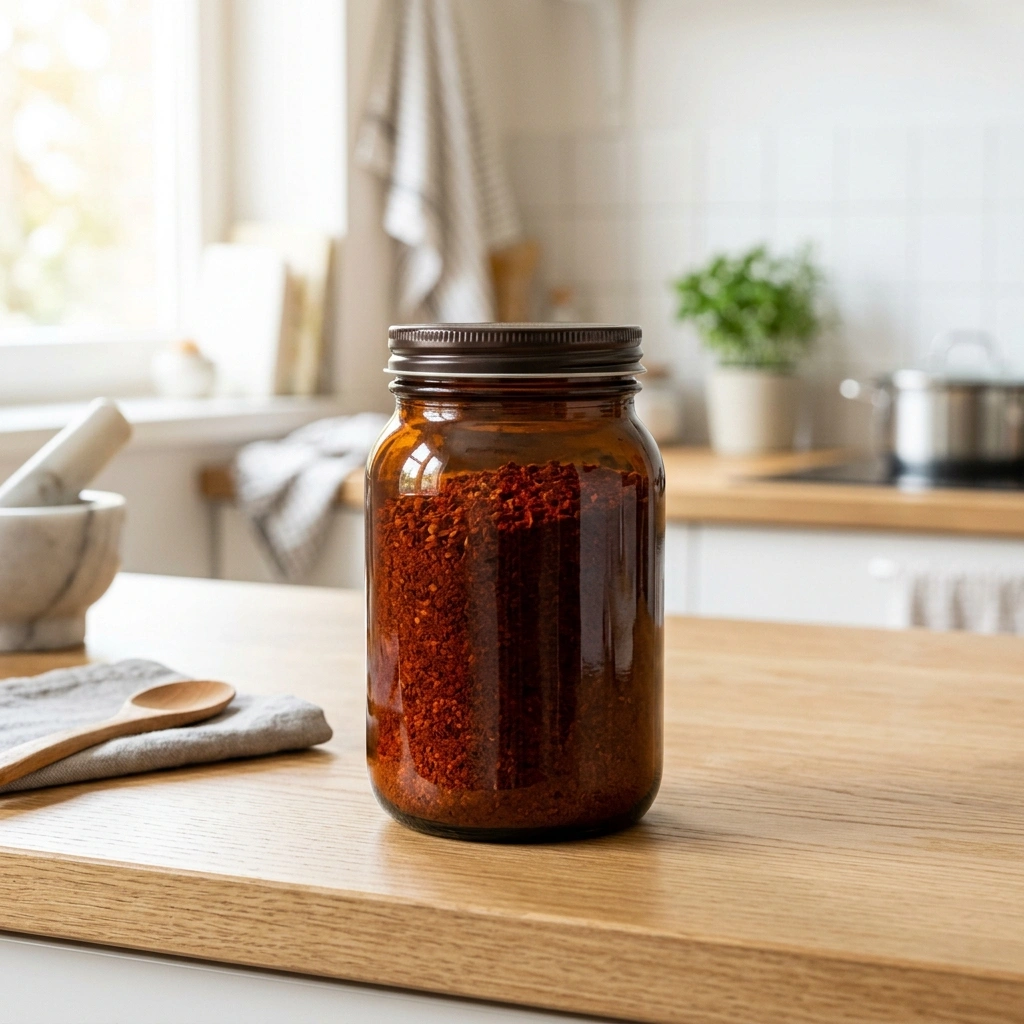
Portion small amounts into opaque airtight containers — Block Light & Oxygen 📦
Exposure to air and light degrades spice pigments and volatile oils. 💡 Storage Tip: Keep everyday portions in an opaque airtight container or dark amber glass jar in a cool, dark place to shield the vibrant red color from light and air oxidation.
Store frequently used amounts in the refrigerator — Cold Storage (3–6 Months) ❄️
For active cooking, refrigeration protects spices from room temperature humidity and heat. 💡 Storage Tip: Keep tightly sealed containers in the refrigerator (0–4°C / 32–39°F) to maintain fresh flavor and bright red color without clumping for 3 to 6 months.
Double-seal large batches for long-term freezing — Freezer Storage (1+ Year) 🧊
Freezing is the most effective method for long-term preservation of ground peppers. 💡 Storage Tip: Portion large quantities into airtight Ziploc bags, press out all air, double-seal, and store below -18°C (0°F). This prevents mold toxins, color fading, and pests for over a year.
2. Essential Storage Rules and Cautions
Shaking chili powder directly over a boiling pot allows steam to enter the container, causing humidity buildup, clumping, and rapid mold growth. Always use a clean, dry spoon to scoop spices.
Light and high temperatures break down carotenoid pigments, darkening the red color and oxidizing fats. Temperatures above 20°C (68°F) also encourage pantry pests like Indian meal moths or beetles.
📌 Frequently Asked Questions (FAQ)
My chili powder turned dark red or brownish. Is it still safe to eat? ▼
Darkening occurs when carotenoid pigments break down due to light, heat, or oxygen exposure. If there is no mold or rancid odor, it is safe to eat, though flavor and heat will be diminished. Freezing prevents this discoloration.
My chili powder has formed clumps. Is it moldy? ▼
Clumping usually happens when moisture is absorbed. However, if you see white or greenish webbing/fuzz or smell a musty odor, dangerous mycotoxins (like aflatoxin) may be present, and the spice must be discarded immediately.