Garlic chives add a fragrant, savory flavor to pancakes, stews, stir-fries, and dumpling fillings. But have you ever bought a bunch only to see the tips turn yellow and rot into a slimy mess within days? 🌿
Garlic chives have thin leaves and a delicate cuticle layer, making them extremely sensitive to moisture changes. Insufficient moisture causes them to wilt quickly, while excess trapped moisture allows decay bacteria to proliferate rapidly, turning them slimy and foul-smelling in just 2 to 3 days.
In this guide, introduces a scientifically proven 3-step storage guide based on expert agricultural guidelines to preserve garlic chives’ freshness and aroma for up to 2 weeks in the fridge and several months in the freezer. 🛡️
Food Safety & Scientific Evidence
This content is based on RDA & USDA & MFDS.
 FreshSelf
Zero waste! Your smart storage assistant
FreshSelf
Zero waste! Your smart storage assistant








1. Scientifically Proven Storage Guide
Wrap unwashed chives in paper towels — Moisture Control 📦
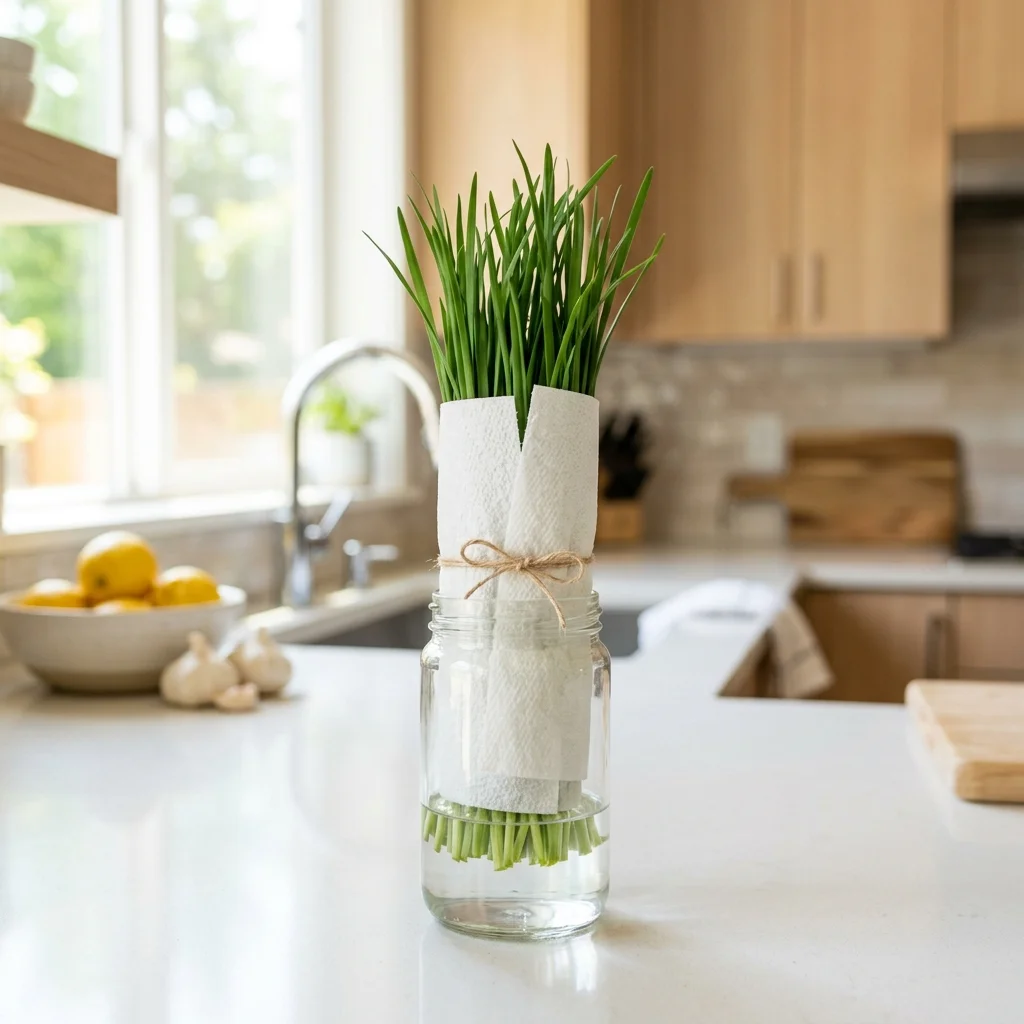
Controlling moisture on the leaf surfaces is the key to preserving garlic chives. 💡 Storage Tip: Shake off dirt and remove wilted leaves without washing. Wrap the entire bundle from roots to leaf tips in paper towels or newspaper. The paper layer absorbs moisture and prevents rot caused by trapped condensation.
Seal in plastic and store upright with roots facing down — Cold Storage (10–14 Days) ❄️
Storing garlic chives horizontally forces them to expend energy trying to bend upward against gravity (gravitropism), leading to rapid wilting. 💡 Storage Tip: Place paper-wrapped chives upright in a tall plastic bag, bottle, or container with roots pointing down, and refrigerate in the crisper drawer (1–4°C). Keeps crisp for up to 2 weeks.
Wash, dry completely, chop, and freeze — Freezer Storage (90 Days) 🧊
For long-term storage, washing, chopping, and freezing is the most effective approach. 💡 Storage Tip: Wash chives thoroughly, then dry completely with a strainer and paper towels. Chop into 1–2 cm pieces, layer thinly in an airtight container or Ziploc bag, and freeze (-18°C or lower). Add directly to soups, stir-fries, or batters without thawing.
2. Essential Storage Rules and Cautions
The moment garlic chives come into contact with water, their tissue begins to soften, creating an ideal environment for mold and bacteria to thrive. Unwashed garlic chives should only have debris and wilted leaves removed before dry refrigeration.
Damaged or crushed garlic chives emit ethylene gas and soft-rot bacteria that rapidly spoil surrounding healthy leaves. Sorting out damaged stems before storage is essential for longevity.
📌 Frequently Asked Questions (FAQ)
If garlic chives become slimy and foul-smelling, can I wash and eat them? ▼
No, absolutely not! A slimy texture indicates that anaerobic decay bacteria (such as Pectobacterium soft rot) have multiplied and broken down the plant tissues. Because bacterial toxins spread quickly, throw them away immediately.
Should frozen garlic chives be thawed before cooking? ▼
No! Thawing frozen garlic chives damages their cell wall structure, releasing all internal moisture and making them mushy. Add them directly from the freezer to hot soups, stews, batters, or stir-fries without defrosting.