Have you ever kept a cardboard box of oats in your pantry for a few months, only to find them smelling stale, rancid, or infested with grain bugs? 🌾
Oats are a highly nutritious grain rich in dietary fiber and healthy unsaturated fats (containing around 5–9% lipids). However, because of their higher fat content compared to rice or wheat, exposure to oxygen, light, and heat causes rapid lipid oxidation (rancidity). They are also a favorite target for common grain pests like pantry moths and weevils.
In this guide, introduces a scientifically proven 3-step storage guide recommended by the USDA and food safety authorities to keep your oats fresh, nutty, and safe for up to a year or more. 🛡️
Food Safety & Scientific Evidence
This content is based on USDA & MFDS.
 FreshSelf
Zero waste! Your smart storage assistant
FreshSelf
Zero waste! Your smart storage assistant









1. Scientifically Proven Storage Guide
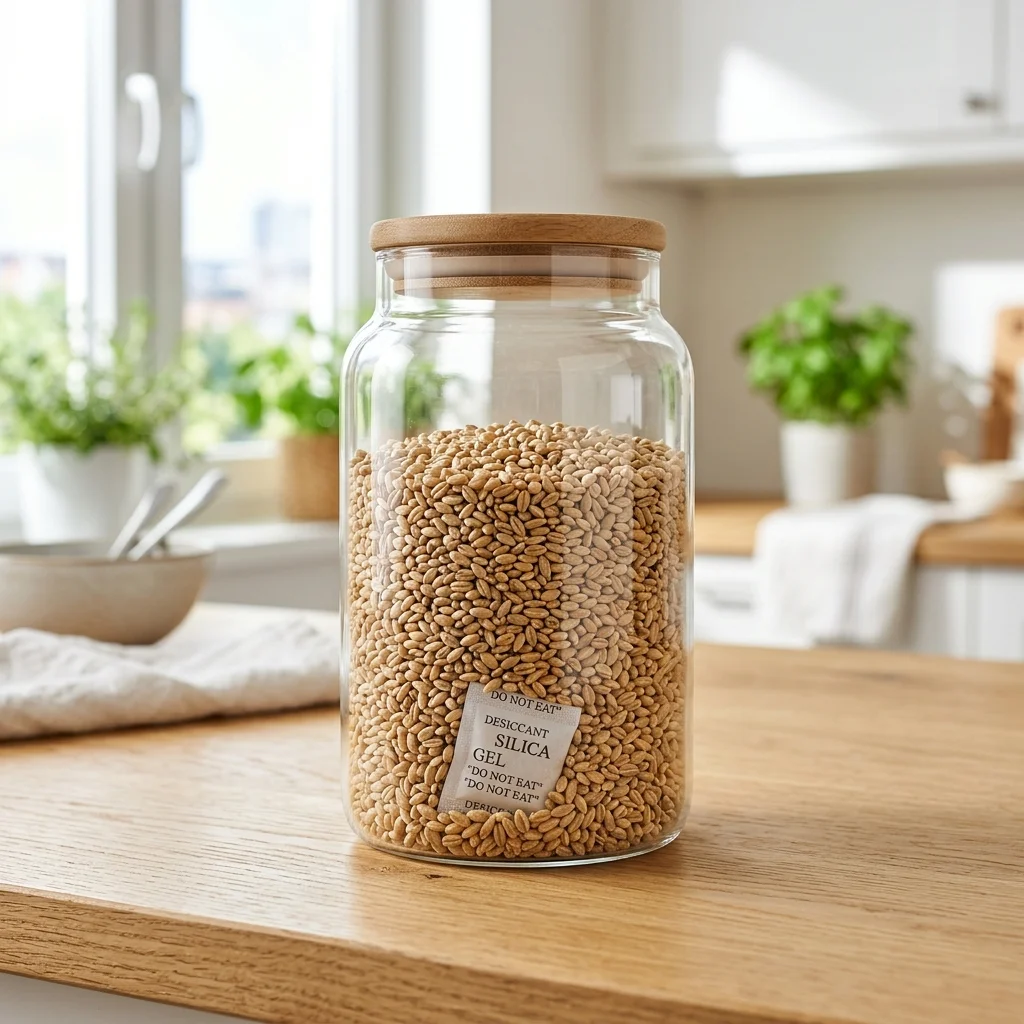
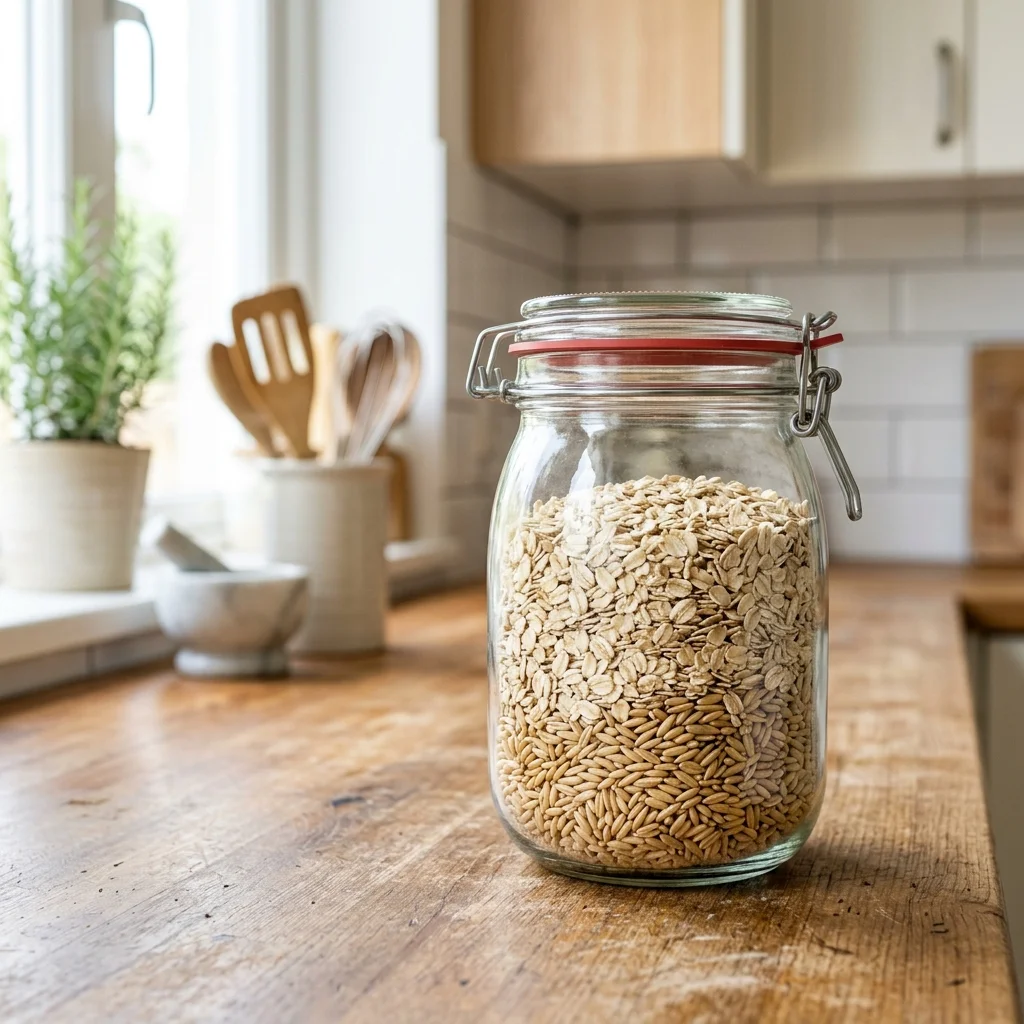
Transfer to airtight glass jars or BPA-free containers — Complete Air, Moisture & Pest Barrier 📦
The key to preserving oats is completely blocking oxygen, moisture, and pests. 💡 Storage Tip: Pour opened oats or oatmeal into a glass jar with a rubber seal or an airtight plastic container and lock the lid tightly.
Store in a cool, dark pantry at 15–20°C — Optimal Room Temperature Storage (1 Year) ☀️
Oats remain stable when stored in dry, dark places free from direct sunlight. 💡 Storage Tip: Keep containers in a low-humidity, well-ventilated dark cabinet or pantry to maintain freshness for up to 1 year.
Portion and freeze for long-term storage — Extended Frozen Storage (1–2 Years) ❄️
If you buy bulk oats or live in hot, humid summer climates, freezing is the safest storage method. 💡 Storage Tip: Seal single-serving portions in Ziploc freezer bags or airtight containers and store below -18°C (-0.4°F). This completely halts pest growth and halts lipid oxidation.
2. Essential Storage Rules and Cautions
Cardboard boxes and thin plastic wrappers are easily bored through by pantry moth larvae. They also absorb ambient humidity, creating an ideal environment for mold growth. Always transfer oats to an airtight container after opening.
High heat and humidity activate lipase enzymes in oats, accelerating fat breakdown and creating a sour, stale odor. Keep them in a consistently cool, dry environment.
📌 Frequently Asked Questions (FAQ)
My oats have a sour, stale, or paint-like odor. Are they safe to eat? ▼
No. A stale or paint-like sour smell is a clear sign of lipid oxidation (rancidity). Rancid grains lose their nutritional value and contain free radicals and oxidized compounds, so they should be discarded immediately.
Does shelf life vary between steel-cut, rolled, and quick oats? ▼
Yes. Less processed oats last longer. Steel-cut oats and whole oat groats have less surface area exposed to oxygen, resisting oxidation better. Rolled and quick oats are steamed and flattened, creating a larger surface area that speeds up rancidity, requiring extra airtight care.