Have you ever opened a jar of peanut butter only to find an oily layer floating on top or a stale, rancid smell instead of a rich, nutty aroma? 🥜
Peanut butter is high in unsaturated fatty acids, making it susceptible to lipid oxidation (rancidity) when exposed to air, light, or heat. Natural peanut butter without emulsifiers is particularly prone to oil separation and rapid quality loss, making proper storage essential.
In this guide, introduces a scientifically proven 3-step peanut butter storage guide based on safety guidelines from the USDA, FDA, and MFDS to keep your peanut butter fresh and flavorful. 🛡️
Food Safety & Scientific Evidence
This content is based on USDA & FDA & MFDS.
 FreshSelf
Zero waste! Your smart storage assistant
FreshSelf
Zero waste! Your smart storage assistant









1. Scientifically Proven Storage Guide
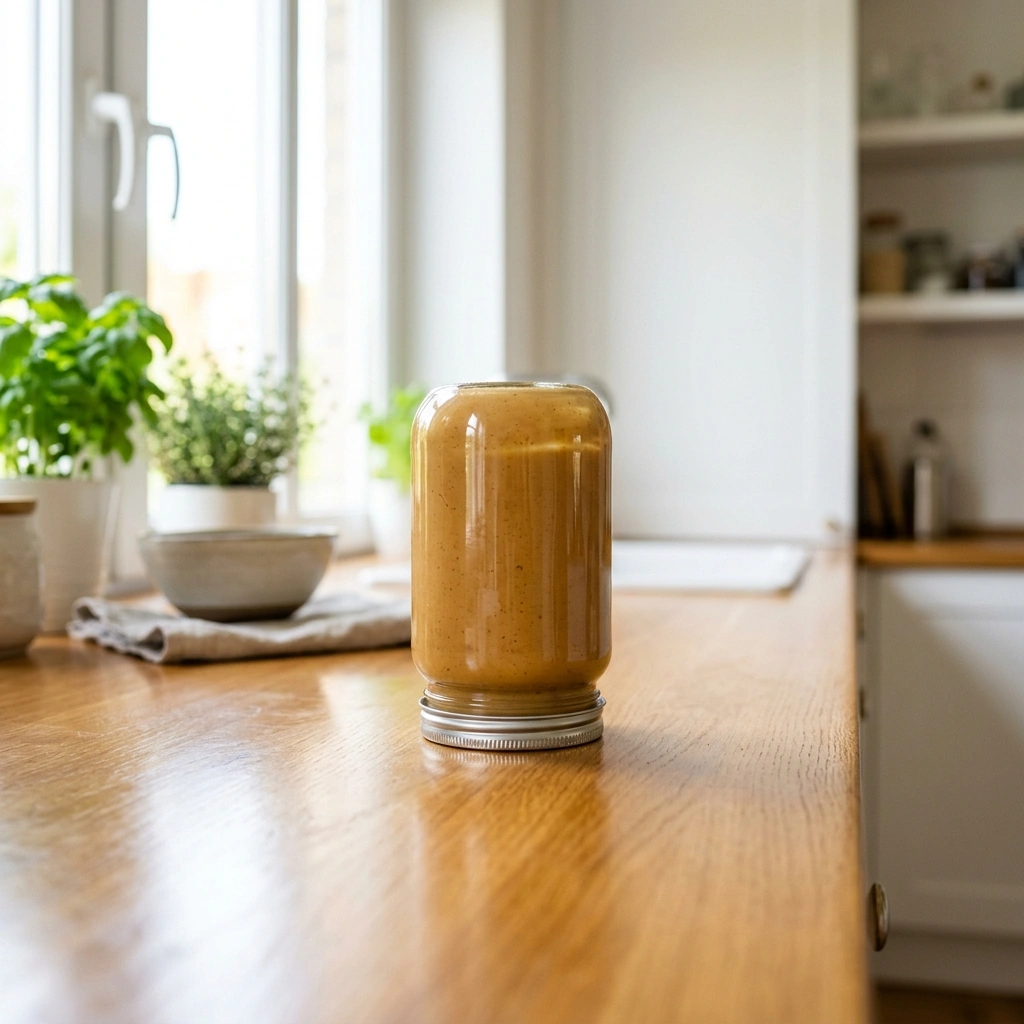
Store natural peanut butter upside down — Prevent Oil Separation 🔄
100% natural peanut butter without added emulsifiers separates into peanut oil and solids during storage. 💡 Storage Tip: Tighten the lid and store the jar upside down. As the natural oil slowly floats upward through the solids, it blends back in naturally, saving you from stirring every time and preventing the bottom from drying out.
Pantry for processed, refrigeration for natural — Optimal Temperature by Type ❄️
Commercial peanut butter with hydrogenated oils stays fresh in a cool pantry (15–20°C / 59–68°F) for 2–3 months after opening. 💡 Storage Tip: Natural peanut butter with no additives oxidizes quickly once opened, so stir well and refrigerate (0–4°C / 32–39°F). Refrigeration slows oxidation, keeping it fresh for 3–6 months.
Wipe the rim clean and seal tightly — Oxygen Barrier 🛡️
Peanut butter residue left on the jar rim allows air to seep in and encourages mold growth around the lid. 💡 Storage Tip: After each use, wipe the rim thoroughly with a dry paper towel before closing the lid tightly. Minimizing exposure to oxygen is key to preventing rancidity.
2. Essential Storage Rules and Cautions
Inserting a wet spoon or one with breadcrumbs introduces moisture, saliva, and contaminants into the jar, creating an ideal environment for mold and bacteria to thrive. Always use a clean, completely dry spoon.
Exposure to heat and light accelerates the oxidation of unsaturated fatty acids in peanut butter, causing rancidity and off-odors. Store it in a cool, dark pantry or refrigerator away from stoves and direct light.
📌 Frequently Asked Questions (FAQ)
There is a thick layer of oil on top of my natural peanut butter. Should I throw it away? ▼
No, this is a completely natural oil separation process in 100% peanut butter made without emulsifiers. Do not drain the oil. Simply stir it back thoroughly into the peanut butter using a clean, dry knife or spoon, then refrigerate.
Does peanut butter always need to be refrigerated after opening? ▼
It depends on the type. Processed peanut butter containing emulsifiers and hydrogenated oils can safely stay in a cool, dark pantry for 2–3 months after opening. However, natural peanut butter made solely from peanuts should be refrigerated after opening to prevent oil separation and lipid oxidation.