Have you ever bitten into a walnut only to be met with a harsh rancid odor and a bitter taste? 🥜
Walnuts have the highest plant-based omega-3 fatty acid content (alpha-linolenic acid, ALA) among tree nuts ( ~ 9–10%). While exceptionally healthy, these polyunsaturated fats undergo rapid autoxidation when exposed to oxygen, light, and heat, producing volatile rancidity compounds like hexanal.
In this guide, based on official recommendations from the California Walnut Commission (CWC), USDA, and MFDS, we share a 3-step scientific storage method to preserve the flavor, crunch, and nutritional value of walnuts. 🛡️
Food Safety & Scientific Evidence
This content is based on USDA & MFDS & CWC.
 FreshSelf
Zero waste! Your smart storage assistant
FreshSelf
Zero waste! Your smart storage assistant









1. Scientifically Proven Storage Guide
Store in an airtight container in the fridge for up to 6 months — Refrigerated Storage (180 Days) ❄️
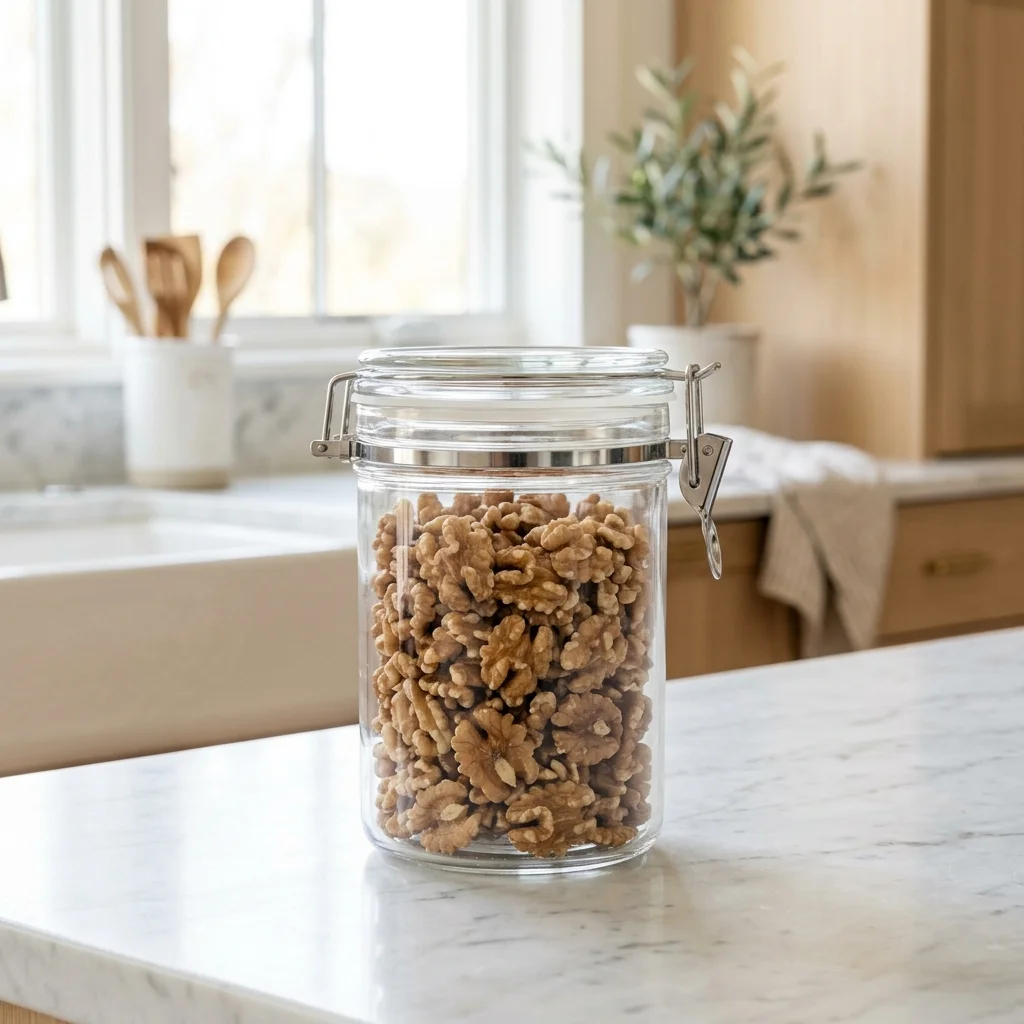
Low temperatures significantly slow down the lipid oxidation rate of harvested walnuts. 💡 Storage Tip: Place shelled walnuts in an airtight glass container or zip-top bag with air squeezed out, and keep them in the fridge crisper drawer (0–4°C / 32–39°F). Freshness remains intact for 6 months.
Freeze in airtight packaging for long-term storage — Frozen Storage (365+ Days) 🧊
At temperatures below -18°C (0°F), lipid oxidation virtually halts. 💡 Storage Tip: Portion walnuts into meal-sized amounts and store them in freezer-safe airtight containers. They can be used directly in cooking or baking without thawing and stay fresh for over a year.
Use airtight containers to seal out oxygen and strong odors — Airtight Sealing 🧴
Storing walnuts in open packaging allows their fat layer to absorb refrigerator odors. 💡 Storage Tip: Store in airtight glass or opaque containers to block light and oxygen contact. Adding an oxygen absorber packet inside maximizes rancidity prevention.
2. Essential Storage Rules and Cautions
Leaving walnuts exposed to air and light at room temperature (above 20°C / 68°F) breaks the double bonds of unsaturated fats, sharply increasing lipid hydroperoxides. Within 1–2 months, they develop a sharp rancid paint smell and unpleasant bitterness.
High-fat walnuts readily absorb strong odors like garlic or onions from neighboring foods. Furthermore, exposure to high humidity promotes Aspergillus mold growth, leading to toxic aflatoxin contamination, so keep them dry and strictly airtight.
📌 Frequently Asked Questions (FAQ)
Why do walnuts go rancid faster than other nuts at room temperature? ▼
Walnuts contain exceptionally high levels of polyunsaturated omega-3 fatty acids (alpha-linolenic acid, ALA), which feature multiple double bonds. Exposure to oxygen, light, and ambient heat (20°C+) accelerates autoxidation, rapidly converting fats into hexanal and causing rancidity.
How can I tell if walnuts have gone bad or rancid? ▼
Fresh walnuts are light ivory to amber in color with a mild, nutty aroma. If they smell like stale paint or old cardboard, or taste unpleasantly bitter and sharp, they are rancid. If any mold is visible, discard them immediately due to aflatoxin risks.