Have you ever stored pork in the refrigerator only to find a pool of blood (drip), a gamey smell, or a dried-out, discolored surface? 🥩
Pork is rich in moisture, protein, and fat, making it highly susceptible to bacterial growth and lipid oxidation after slaughter. In particular, leaving accumulated purge/drip on the meat’s surface creates an ideal environment for microorganisms, leading to foul odors, discoloration, and ruined texture.
In this guide, introduces a scientifically proven 3-step pork storage guide recommended by agriculture and food safety experts to maximize freshness. 🛡️
Food Safety & Scientific Evidence
This content is based on RDA & USDA & MFDS.
 FreshSelf
Zero waste! Your smart storage assistant
FreshSelf
Zero waste! Your smart storage assistant









1. Scientifically Proven Storage Guide
Wipe off purge and coat lightly with cooking oil — Moisture Retention & Microbial Barrier 📦
After removing all excess moisture with paper towels, applying a light coat of cooking oil or olive oil forms a protective barrier against air. 💡 Storage Tip: This oil layer prevents oxidation, stops moisture evaporation to preserve juices, and inhibits microbial growth.
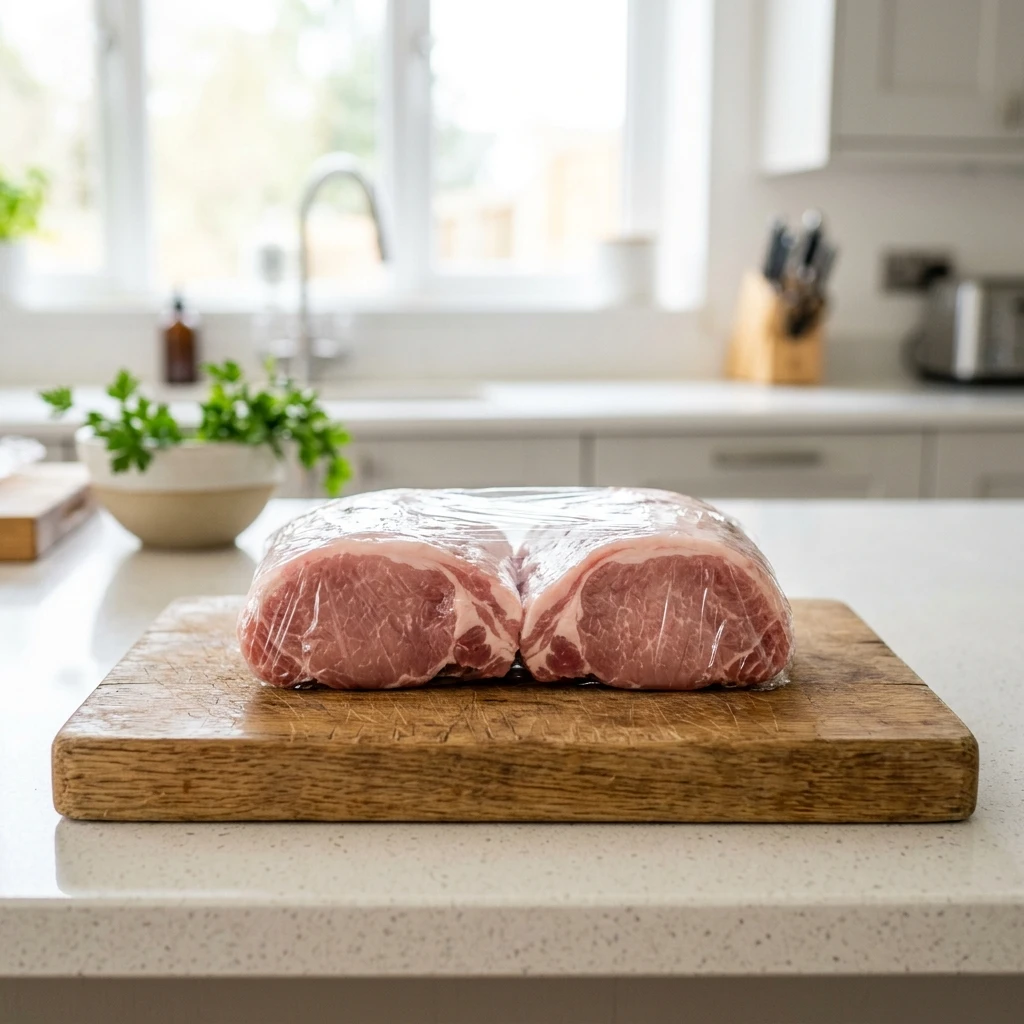
Wrap tightly in plastic wrap and store in airtight containers — Refrigerated Storage (2–3 Days) ❄️
Contact with oxygen causes lipid oxidation, resulting in browning discoloration and rancidity. 💡 Storage Tip: Wrap individual portions tightly with food wrap without air gaps, then place them in an airtight container or Ziploc bag in the coldest shelf/meat compartment (0–2°C). Consume within 2 to 3 days.
Portion and double-seal for quick freezing — Frozen Storage (3–4 Months) ❄️
For long-term storage, remove air completely and freeze deep inside the freezer (below -18°C) to prevent freezer burn. 💡 Storage Tip: Sealing meat tightly in freezer bags preserves freshness for 3 to 4 months. Minced/ground pork spoils much faster, so consume ground meat within 1 to 2 months.
2. Essential Storage Rules and Cautions
The liquid purge on the surface of pork serves as a prime nutrient source for bacteria and microorganisms to multiply rapidly. Leaving it unchecked intensifies gamey odors and accelerates spoilage, so always pat it dry with paper towels before storage.
Thawing frozen pork breaks down muscle tissue, causing moisture and nutrient loss while inviting rapid bacterial proliferation. Refreezing degrades meat texture to a tough state and poses health risks, so portion pork for single-use meals before freezing and thaw only what you need.
📌 Frequently Asked Questions (FAQ)
What is the safest and best way to thaw frozen pork? ▼
The most recommended method is slow refrigerator thawing (0–4°C) by transferring the meat to the fridge the day before cooking. This minimizes drip loss and prevents bacterial growth. In an emergency, submerge the sealed meat in cold water.
My pork surface turned brownish-gray. Is it safe to eat? ▼
This may be caused by deoxymyoglobin, where meat pigment darkens due to lack of oxygen. If it blooms back to a bright reddish-pink color after 15–20 minutes of air exposure, it is fine. However, if it emits a sour/foul odor or feels slimy, it has spoiled and must be discarded immediately.