Turmeric is a renowned antioxidant spice consumed daily by over 2 billion people worldwide as a key ingredient in curry! However, have you ever stored turmeric only to find its vibrant yellow color faded or the powder clumped due to moisture? 💛
The primary active compound in turmeric, Curcumin, is extremely sensitive to ultraviolet (UV) and visible light, undergoing rapid photodegradation that destroys its conjugated molecular structure. Additionally, exposure to moisture causes caking and leads to the loss of antioxidant potency.
In this guide, we introduce a scientifically proven 3-step turmeric storage guide based on guidelines from leading food and health authorities to block light and moisture, fully preserving curcumin’s antioxidant benefits. 🛡️
Food Safety & Scientific Evidence
This content is based on RDA & FDA & MFDS.
 FreshSelf
Zero waste! Your smart storage assistant
FreshSelf
Zero waste! Your smart storage assistant









1. Scientifically Proven Storage Guide
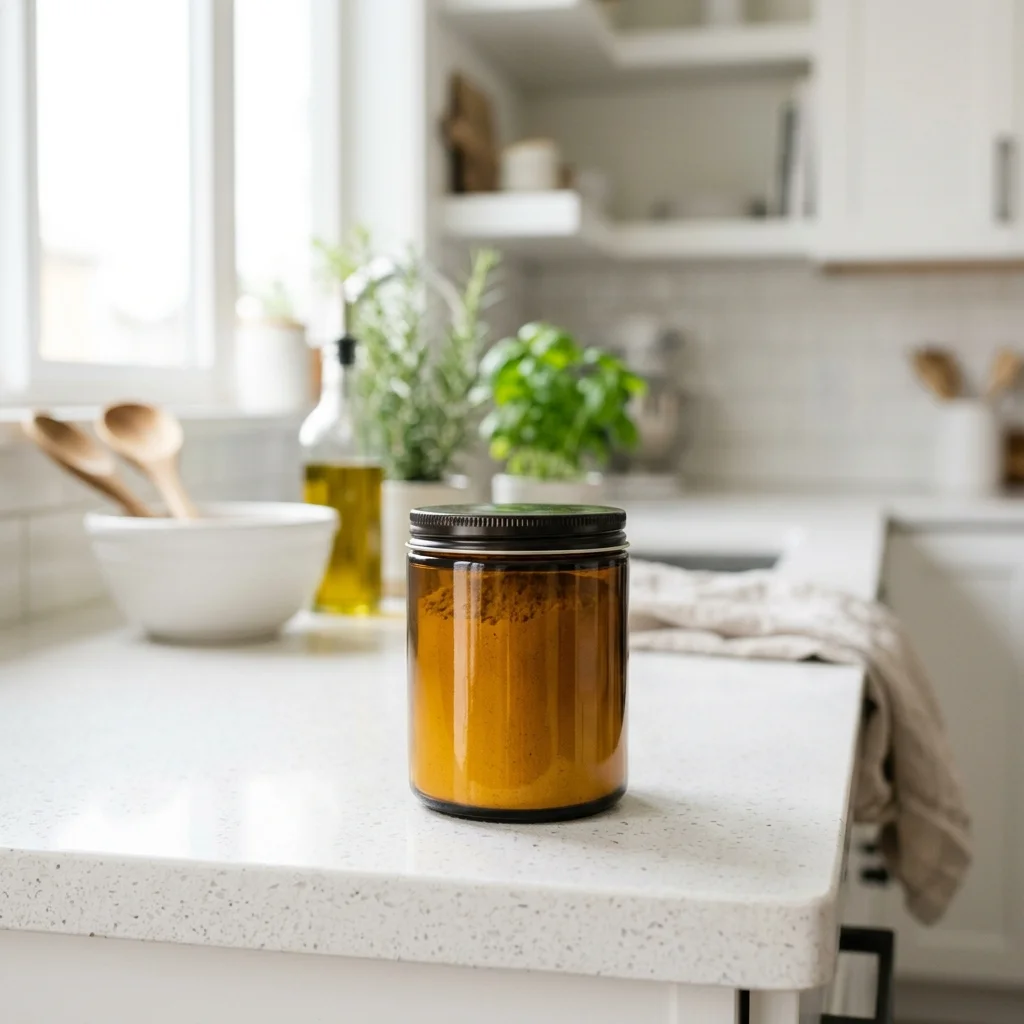
Store in amber or dark glass jars — Block Photo-Oxidation 📦
Keep turmeric powder or dried turmeric in amber, dark purple glass jars, or opaque airtight containers that block UV and visible light. 💡 Storage Tip: Using clear plastic or glass containers allows ambient light to break down curcumin, making light-blocking containers essential.
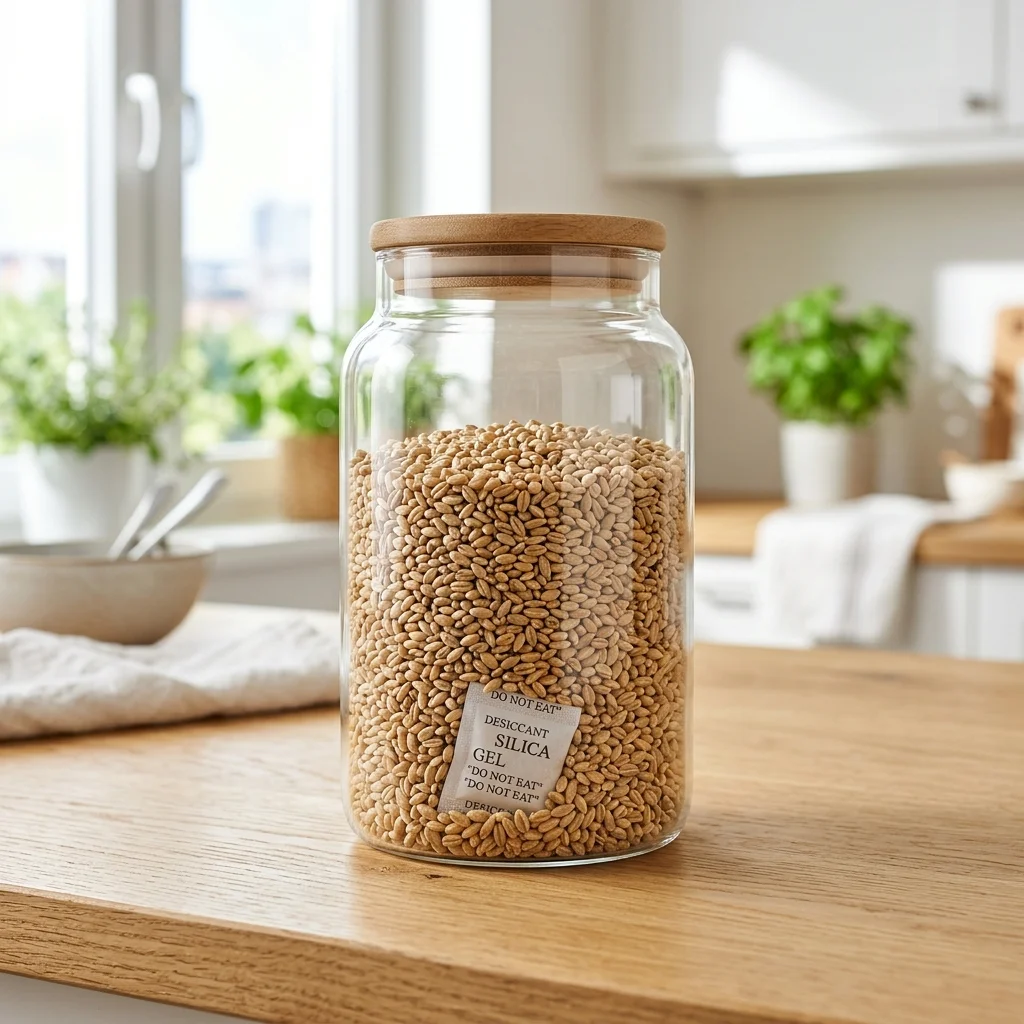
Add silica gel and store in a cool, dark cabinet — Moisture Control & Cool Storage (1–2 Years) 🧺
Insert a food-grade desiccant packet (silica gel) into the container to prevent moisture ingress. 💡 Storage Tip: Store in a dark, dry cabinet away from stove heat (below 15–20°C / 59–68°F). This preserves turmeric's vibrant color and antioxidant potency for 1 to 2 years.
Wrap fresh turmeric root in paper towels and seal in Ziploc bags — Fresh Root Storage (Refrigerated 1 Month / Frozen 6 Months) ❄️
Unprocessed fresh turmeric root requires humidity regulation for optimal shelf life. 💡 Storage Tip: Brush off dirt without washing, wrap in paper towels, and place in a Ziploc bag to refrigerate (1 month) or slice and freeze (-18°C / 0°F or colder) for up to 6 months.
2. Essential Storage Rules and Cautions
Curcumin in turmeric undergoes rapid photodegradation upon exposure to light, causing the yellow pigment to fade and reducing its antioxidant potency. Always use light-blocking opaque containers instead of clear ones.
Moisture entering turmeric powder causes caking and creates an ideal environment for mold growth. Avoid shaking open turmeric containers directly over steaming pots during cooking, as steam is a primary source of moisture ingress.
📌 Frequently Asked Questions (FAQ)
Is faded or clumped turmeric powder safe to use? ▼
Fading indicates that curcumin molecules have undergone photodegradation due to light exposure, significantly reducing antioxidant efficacy. Minor clumping from moisture is usable if there is no mold odor, but potency will be reduced. Discard if mold or severe discoloration is present.
Is it safe to store dried turmeric powder in the refrigerator? ▼
Refrigerating dried turmeric powder creates temperature fluctuations when taken in and out, causing condensation inside the container that leads to clumping and mold. Storing turmeric powder with a desiccant in a cool, dark pantry at room temperature is much safer.