Have you ever opened a tub of yogurt only to find a layer of liquid on top or mold forming before you could finish it? 🥣
Yogurt is a fermented dairy product containing live probiotics, making it highly sensitive to temperature fluctuations and external contamination. Using a saliva-contaminated spoon or introducing moisture allows unwanted microorganisms to multiply rapidly, while unstable temperatures accelerate whey separation (syneresis) and cause excessive sourness.
In this guide, shares a scientifically proven 3-step yogurt storage guide recommended by food safety experts to maximize freshness and probiotic vitality. 🛡️
Food Safety & Scientific Evidence
This content is based on USDA & MFDS.
 FreshSelf
Zero waste! Your smart storage assistant
FreshSelf
Zero waste! Your smart storage assistant








1. Scientifically Proven Storage Guide
Portion with a clean, dry spoon and seal tightly — Contamination Prevention 📦
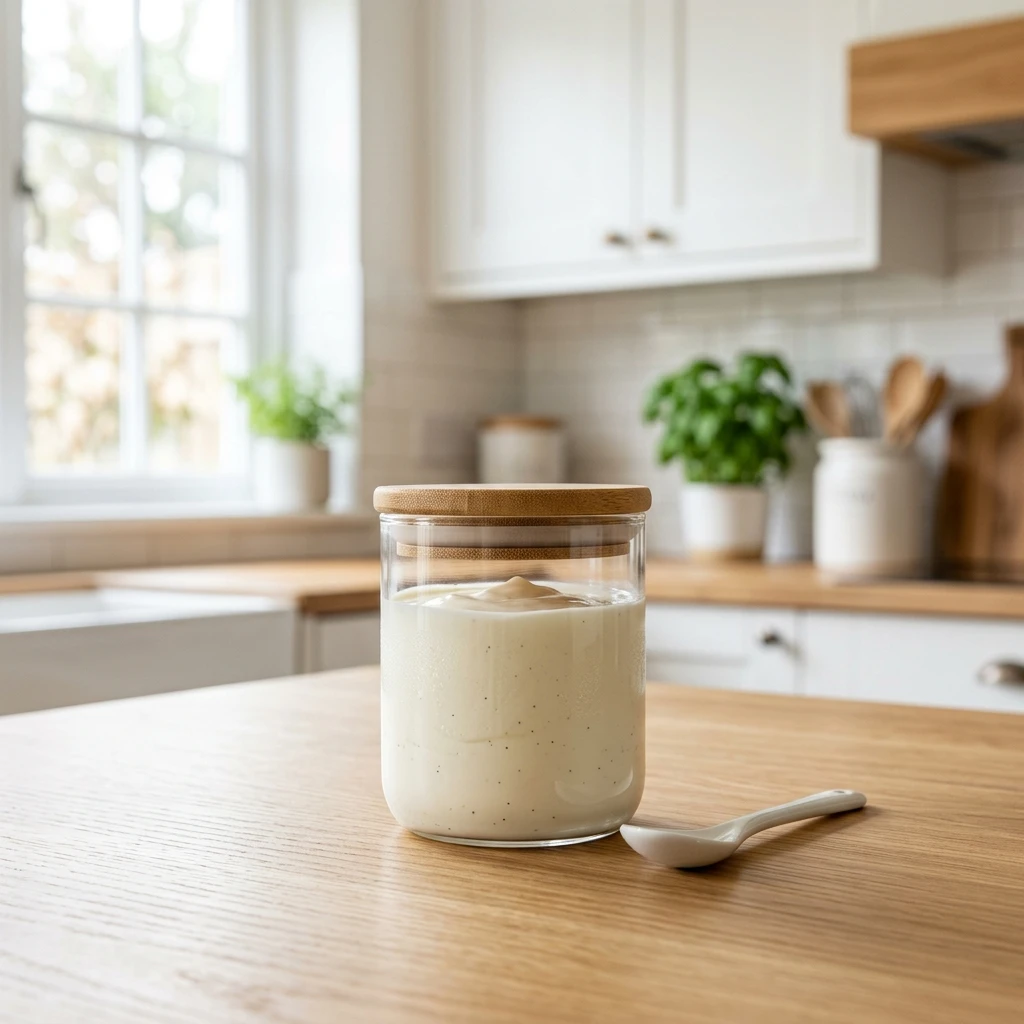
Avoid eating directly from large yogurt tubs. Portion out what you need using a clean, dry spoon. 💡 Storage Tip: Wipe any yogurt drips around the rim with a paper towel and seal the lid tightly to prevent airborne mold spores from entering.
Store at cold temperatures of 0–4°C — Cold Storage (3–7 Days After Opening) ❄️
Keeping yogurt consistently cold prevents excessive acid production by probiotics and controls syneresis. 💡 Storage Tip: Store on the deepest inner shelf of the fridge (0–4°C). Unopened yogurt lasts until its use-by date, but once opened, consume within 3 to 7 days.
Stir in whey liquid rather than discarding it — Whey Management 🥣
The clear liquid that separates on top of yogurt is natural whey, a byproduct of milk protein breakdown. 💡 Storage Tip: Whey is rich in protein, calcium, and vitamins, and is not a sign of spoilage. Simply stir it back into the yogurt with a clean spoon to enjoy its full nutrients and creamy texture.
2. Essential Storage Rules and Cautions
The refrigerator door experiences severe temperature fluctuations and light exposure whenever opened. Unstable temperatures disrupt probiotic stability and accelerate whey separation and spoilage. Store yogurt on a cold, deep inner shelf (0–4°C) where temperatures remain constant.
Scooping yogurt with a spoon that has touched your mouth or carries water introduces digestive enzymes and bacteria. This allows mold and unwanted microbes to thrive rapidly. Always use a clean, completely dry dedicated spoon.
📌 Frequently Asked Questions (FAQ)
Do probiotics survive if yogurt is frozen? ▼
Freezing puts probiotics into a dormant state without killing them, but thawing breaks down milk proteins, creating a grainy, curdled texture. Rather than fully thawing frozen yogurt, eat it semi-frozen like a frozen yogurt treat.
If mold forms on top, can I scrape off the surface and eat the rest? ▼
No, absolutely not. Because yogurt has high moisture content, mold spores and bacterial toxins spread deep throughout the entire tub invisibly. If white, green, or black mold appears, or if it emits a sour/alcoholic odor, discard the entire container immediately.