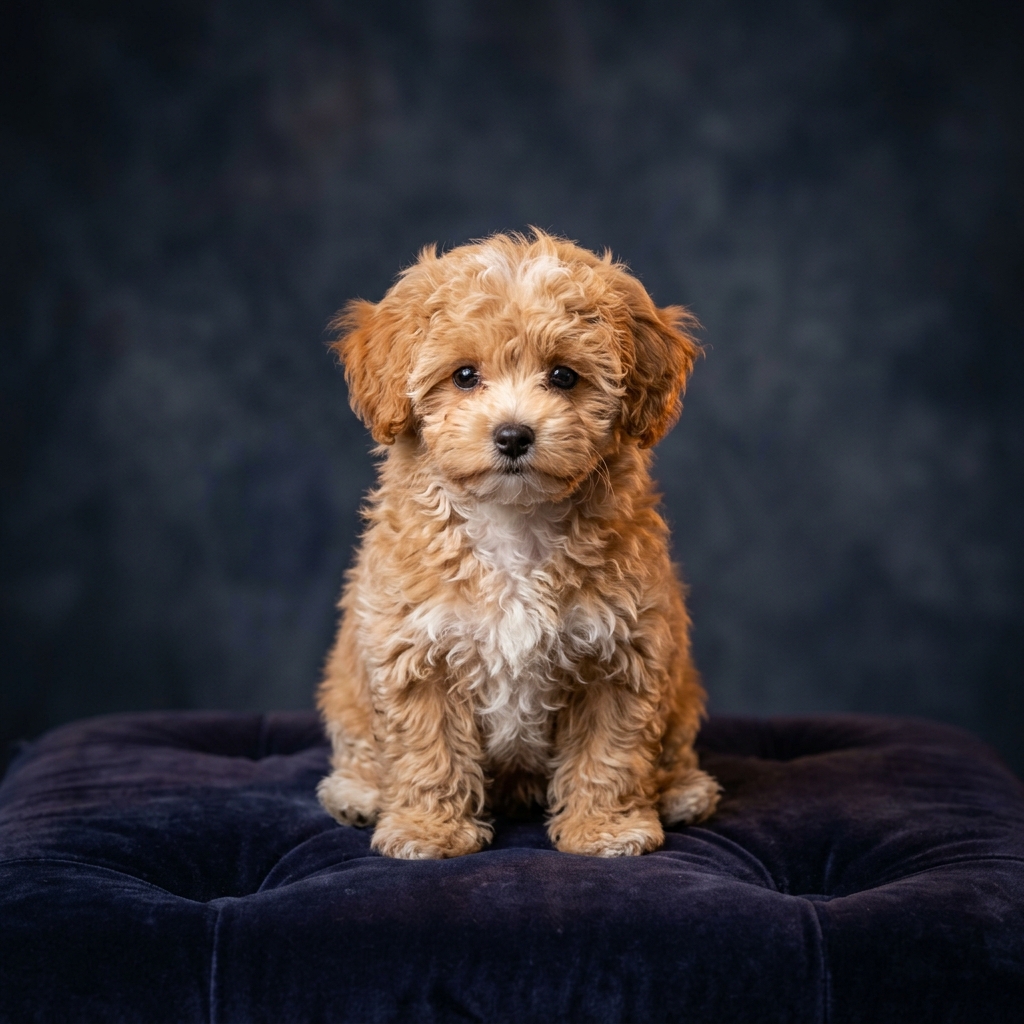
The Maltipoo is a world-renowned designer hybrid dog combining the intelligence and low-shedding coat of the Toy Poodle with the affectionate, gentle nature of the Maltese. Adored for its teddy-bear appearance and playful charm, it ranks among the top choices for indoor companion dogs globally. However, as a small breed, Maltipoos are genetically predisposed to patellar luxation (slipping kneecaps), and their soft, wavy coat can easily form painful skin-level mats if not brushed daily. Additionally, their intense devotion to their human families makes them susceptible to separation anxiety, requiring early independence training. In this guide, we detail Maltipoo behavior signals, joint care strategies, and a 3-step daily routine.
Veterinary & Behavioral Evidence
This content is based on World Small Animal Veterinary Association (WSAVA) Clinical Guidelines and American Kennel Club (AKC) Hybrid Dog Care Standards.
 FreshSelf
Keep pet food and supplements perfectly fresh!
FreshSelf
Keep pet food and supplements perfectly fresh!








1. Maltipoo Behavior Signals: Calming Signals (Yawning) vs. Separation Distress
Maltipoo Behavior Signals: Calming Signals (Yawning) vs. Separation Distress
Maltipoos are emotionally sensitive to their owners. When stressed, they display calming signals such as yawning or body shaking. Persistent howling or door-scratching when left alone indicates acute separation anxiety.
2. Maltipoo (Maltese x Toy Poodle Hybrid)‘s Body Language & Behavioral Signals
Yawning & Body Shaking (Calming Signals)
A self-soothing response in unfamiliar situations or a signal communicating non-aggression to others.
Speak in a calm, soothing voice and reduce environmental stimuli to give them a comfortable resting space.
Door Scratching & Continuous Howling (Separation Distress)
A distress signal caused by severe panic and anxiety when separated from their owner.
Avoid overly dramatic hellos or goodbyes, and use nosework toys or independence training to build confidence when alone.
3. Customized 3-Step Home Care Routine for Maltipoo (Maltese x Toy Poodle Hybrid)
Morning: Non-Slip Flooring Inspection & Slicker Brushing
Inspect non-slip mats for knee safety, and brush gently from the undercoat roots outward using a slicker brush to prevent matting.
Afternoon: Joint-Friendly Walking & Independence Training
Conduct a 20–30 minute walk on flat terrain avoiding jumping, followed by a short 5–10 minute departure session to foster independence.
Evening: Paw Pad Trimming, Tear Stain Care & Joint Massage
Trim fur between paw pads to prevent slipping, wipe away tear stains, and gently massage leg joints.
📌 Frequently Asked Questions (FAQ)
How can I prevent patellar luxation in my Maltipoo at home? ▼
Lay non-slip mats across hard floors, install pet ramps or stairs near sofas and beds, keep paw pad fur trimmed, and strictly prevent them from jumping down from elevated furniture.
Why do Maltipoos need daily brushing if they don't shed much? ▼
Instead of falling to the floor, shed hair becomes trapped within their wavy undercoat. If left unbrushed, it forms dense mats close to the skin, trapping moisture, causing bacterial dermatitis, and pulling painfully on the skin.