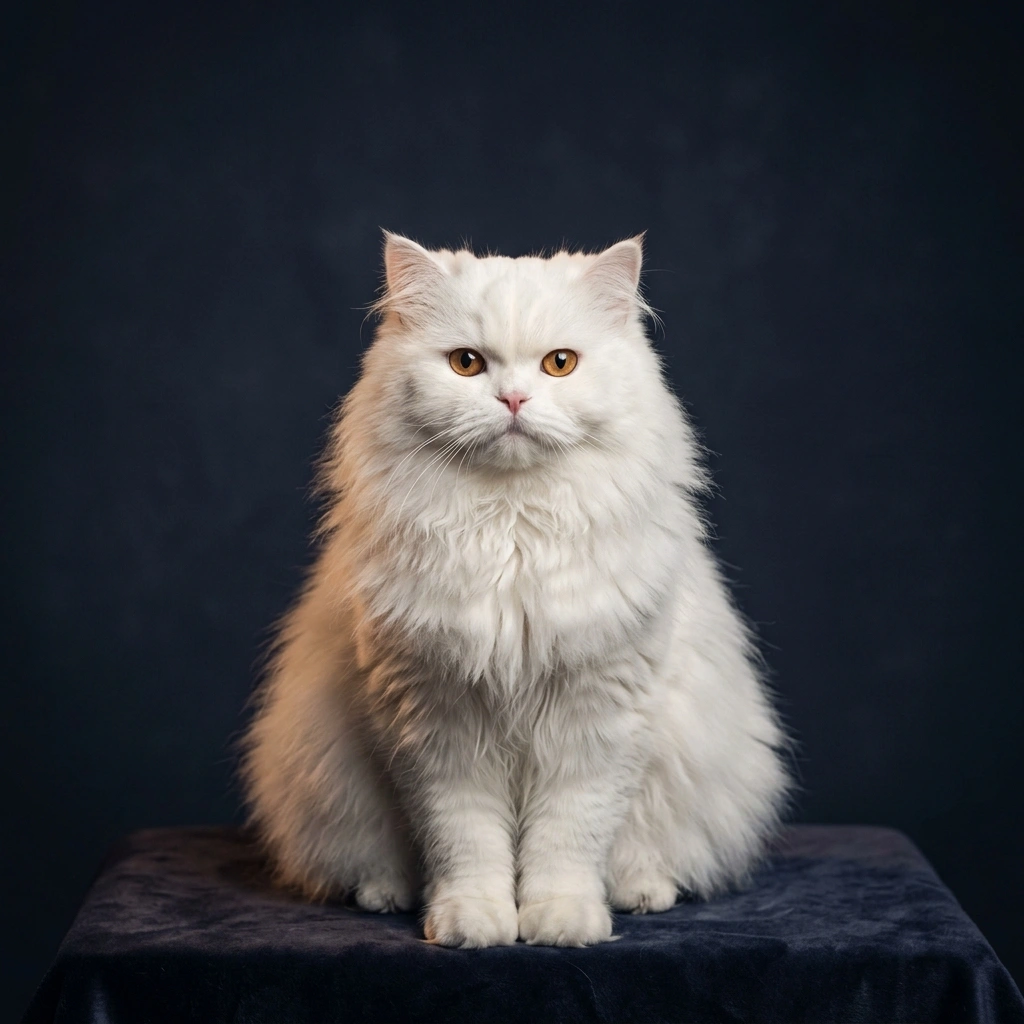
With their plush double coat and signature round, flat faces, Persian cats are beloved indoor companions known for their gentle and calm nature. However, their brachycephalic facial structure causes tears to overflow constantly, easily trapping debris in their skin folds. Furthermore, their dense, fine longhair coat readily tangles into solid mats, pulling on the skin to cause severe pain and blocking air circulation, which triggers dermatitis. In this guide, decodes Persian cat eye and coat stress signals and provides a 3-step homecare routine to prevent these issues.
Veterinary & Behavioral Evidence
This content is based on Cat Fanciers' Association (CFA) Persian Breed Guidelines & AAFP Feline Veterinary Standards.
 FreshSelf
Keep pet food and supplements perfectly fresh!
FreshSelf
Keep pet food and supplements perfectly fresh!









1. Persian Cat Body Language: Silent Signals from Eyes and Ears
Persian Cat Body Language: Silent Signals from Eyes and Ears
Because Persians express emotions quietly and subtly, detecting stress can be difficult for owners. While they display deep affection through 'Half-Closed Eyes', 'Airplane Ears' (ears turned sideways and flattened) signal clear refusal or discomfort. This posture is commonly seen when brushing facial fur too hastily or handling delicate eye folds roughly.
2. Persian Cat (Felis catus)‘s Body Language & Behavioral Signals
Half-Closed Eyes
A peaceful message indicating deep trust in the owner and a highly satisfied, comfortable state.
Respond by blinking slowly back at them (a slow blink greeting) and speaking in a calm, soothing voice.
Airplane Ears
An expression of discomfort caused by hair pulling during brushing or tension from surrounding noise.
Immediately halt brushing or touching, and grant the cat quiet space to relax undisturbed.
3. Customized 3-Step Home Care Routine for Persian Cat (Felis catus)
Morning: Facial Fold Cleaning and Tear Stain Management
In the morning when tearing is frequent, gently clean facial folds around the nose with lukewarm saline or a sterile wipe to prevent red yeast dermatitis.
Afternoon: Dual Brushing with Slicker Brush and Steel Comb
Focus on friction-prone areas like armpits and belly. Use a slicker brush first to detangle undercoat mats, then use a steel comb strand by strand to check skin ventilation.
Evening: Hairball Remedy and Water Fountain Check
Feed hairball paste to prevent intestinal blockages from swallowed fur, and inspect the water fountain filter to encourage optimal hydration.
📌 Frequently Asked Questions (FAQ)
Why is skipping grooming for even a few days harmful to Persians? ▼
Persian fur is fine, long, and exceptionally dense. Skipping brushing for just 2 to 3 days causes fur to felt into hard mats that pull tightly on the skin, causing pain and eventually requiring full lion-cut shaving.
Why is facial fold management crucial for brachycephalic cats? ▼
Flat-faced Persians have deep facial folds near their noses. Trapped tears block oxygen flow, creating an ideal breeding ground for bacteria and red yeast, which leads to foul odors and ulcerative skin inflammation.