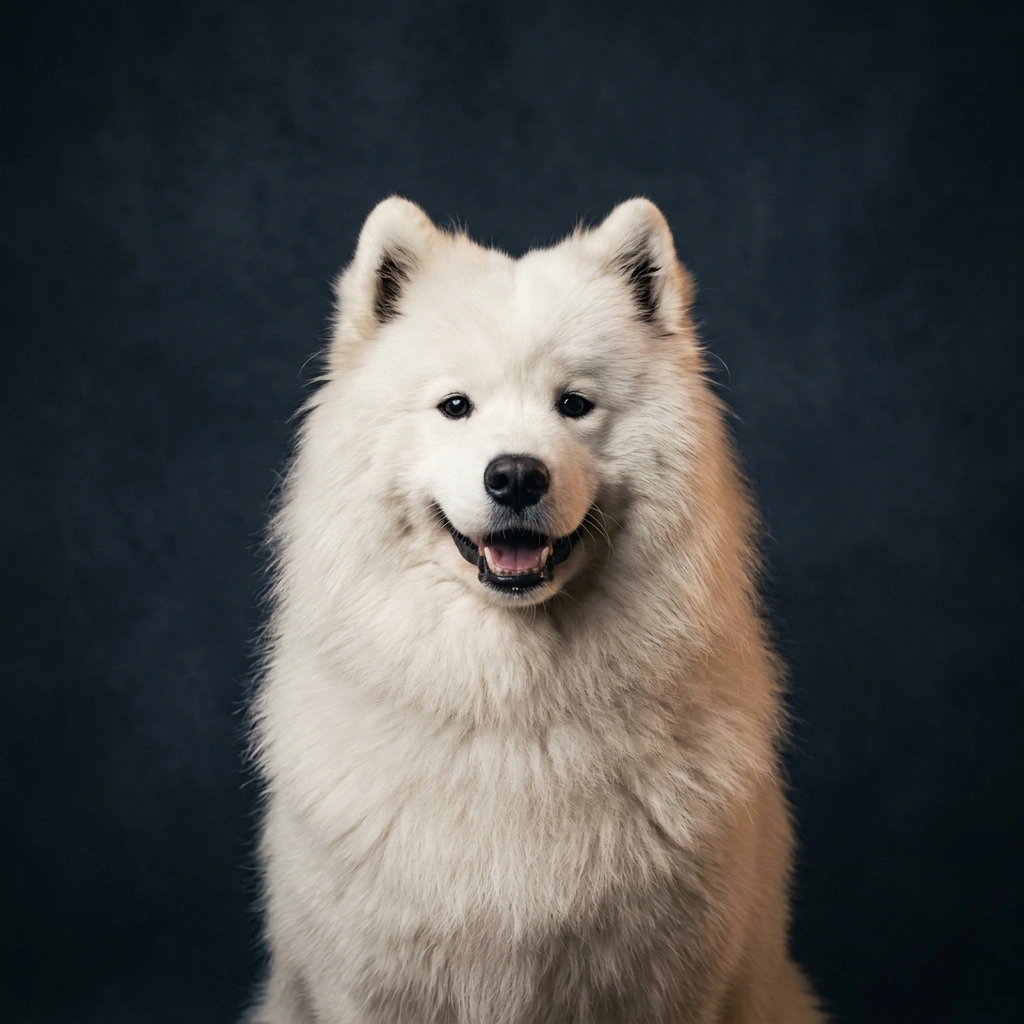
Famous for their white fluffy double coat and sweet ‘Samoyed Smile’, Samoyeds are energetic, gentle working sled dogs. Originating from Siberia, their thick double coat protects them from arctic freeze but traps heat and humidity easily in warm environments, triggering hot spots and dermatitis. Moreover, due to their large size, they are genetically prone to Hip Dysplasia. In this guide, decodes Samoyed joint pain warning signals and provides a 3-step daily care routine.
Veterinary & Behavioral Evidence
This content is based on AKC Samoyed Care Guide & Orthopedic Foundation for Animals (OFA) Guidelines.
 FreshSelf
Keep pet food and supplements perfectly fresh!
FreshSelf
Keep pet food and supplements perfectly fresh!

1. Samoyed Body Language: Splooting Cooling and Joint Pain Signals
Samoyed Body Language: Splooting Cooling and Joint Pain Signals
When hot, Samoyeds sploot, showing 'Frog-Leg Lying (Splooting)' behavior to press their furless bellies against cool surfaces. Conversely, 'Bunny Hopping' where they run with both hind legs moving together is a classic indicator of hip joint pain that requires immediate attention.
2. Samoyed (Canis lupus familiaris)‘s Body Language & Behavioral Signals
Frog-Leg Lying (Splooting)
Lying flat on the belly with hind legs stretched back to cool down body temperature against cold tiles or marble.
Turn on air conditioning or provide cooling mats and let them rest quietly in a well-ventilated spot.
Bunny Hopping
Hopping with both hind legs moving together to minimize pressure on malformed or painful hip joints.
Stop strenuous exercise immediately and seek an orthopedic evaluation (X-ray) from a veterinarian.
3. Customized 3-Step Home Care Routine for Samoyed (Canis lupus familiaris)
Morning: Slicker Brushing for Double Coat Ventilation
Brush their thick double coat daily using a slicker brush and a steel comb to remove dead undercoat and prevent mats and hot spots.
Afternoon: Joint Protection & Anti-Slip Mat Installation
Place anti-slip rugs on slippery indoor floors, maintain weight control, and feed glucosamine/chondroitin joint supplements.
Evening: Paw Wash and Thorough Blow Dry
Clean paws after outdoor activity. Thoroughly blow dry the wet hair between paw pads using a dryer to prevent interdigital dermatitis.
📌 Frequently Asked Questions (FAQ)
Can I shave a Samoyed's double coat with clippers in summer? ▼
It is strongly discouraged. A Samoyed's double coat acts as an insulator against heat and UV rays. Shaving it can cause Post-Clipping Alopecia, where fur fails to regrow or grows back coarse. Thorough brushing to remove undercoat is the correct method.
How can I prevent and manage Samoyed hip dysplasia? ▼
Preventing rapid weight gain during growth stages is essential. Avoid jumping or running on slippery floors, and maintain low-impact muscle-building exercises such as swimming or flat-ground walking.