Hailing as Russia’s national treasure, the Siberian Cat is a magnificent large breed famed for its dense triple coat, dog-like devotion, and high intelligence. Siberians naturally produce lower levels of the Fel d 1 protein—the primary allergen in cats—making them popular among allergy sufferers, though they are not 100% allergen-free. As a slow-maturing breed taking 3 to 5 years to reach full size, they require tailored care to support their growth, manage their thick fur against hairballs, and monitor for genetic Hypertrophic Cardiomyopathy (HCM). In this guide, presents a 3-step daily routine to read your Siberian’s body language and protect its health.
Veterinary & Behavioral Evidence
This content is based on The International Cat Association (TICA) & Cat Fanciers' Association (CFA) Care Standards.
 FreshSelf
Keep pet food and supplements perfectly fresh!
FreshSelf
Keep pet food and supplements perfectly fresh!









1. Siberian Cat Body Language: Friendly Trilling and High-Perch Observation
Siberian Cat Body Language: Friendly Trilling and High-Perch Observation
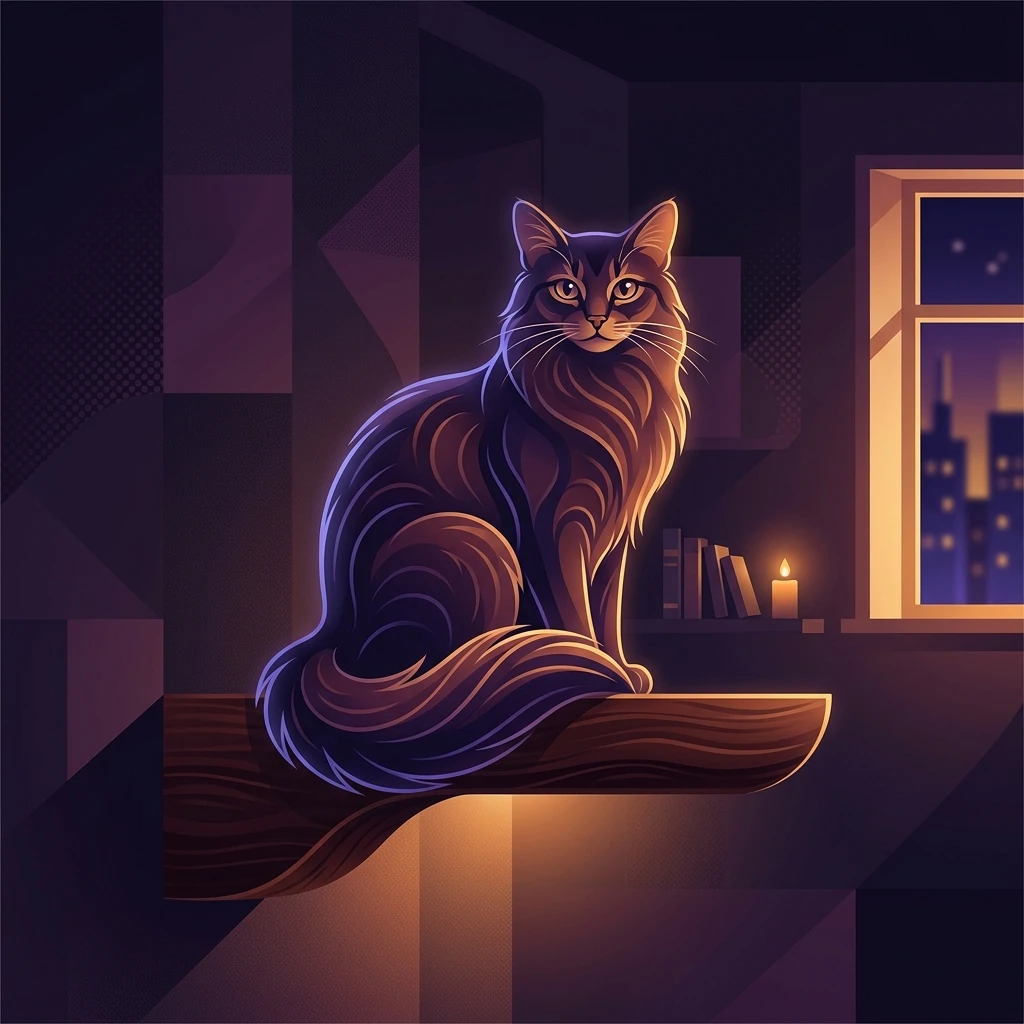
Siberian Cats express warmth and territorial confidence through melodic vocalizations and elevated positioning. Making a soft, rolling 'trilling or chirping' sound while approaching with an upright tail is their ultimate greeting of affection. Conversely, sitting quietly on top of a tall cat tree with forward-pointing ears 'High-Perch Observation' is a natural instinct to oversee their environment and ensure security.
2. Siberian Cat’s Body Language & Behavioral Signals
Approaching with Upright Tail while Making a Rolling 'Trilling' Sound
A joyful greeting demonstrating deep trust and affection, signaling a desire to interact or play.
Greet back in a soft tone and gently stroke their head or chin to reinforce bonding.
Sitting Perched High on a Cat Tree with Ears Forward, Gazing Below (High-Perch Observation)
An instinctual behavior where the cat observes its surroundings from a safe vantage point to assess territorial security.
Respect their observation space and ensure they have a sturdy, heavy-duty cat tree suitable for a large breed.
3. Customized 3-Step Home Care Routine for Siberian Cat
Morning: Wet Food Feeding for Hydration & Fel d 1 Allergen Management
Provide moisture-rich wet food to safeguard renal and cardiac health (HCM prevention), checking air purifier filters to reduce indoor dander.
Afternoon: Deep Triple-Coat Grooming & Energetic Play for Slow Maturation
Brush thoroughly using a slicker brush to remove loose undercoat fur, followed by high-jumping rod toy play to channel their physical energy.
Evening: Hairball Prevention Supplement & Optimal Ambient Temperature Control (20°C–22°C)
Administer a hairball control paste to aid digestion of ingested fur, maintaining a comfortable room temperature (20°C–22°C) suitable for their heavy coat.
📌 Frequently Asked Questions (FAQ)
Are Siberian Cats completely hypoallergenic for people with cat allergies? ▼
Not completely! Siberians naturally produce significantly lower levels of the Fel d 1 allergen protein compared to other breeds, but individual human sensitivity varies. It is recommended to spend time with a Siberian before adoption, and use HEPA air purifiers alongside regular coat brushing to minimize allergen buildup.
How should I manage their dense triple coat and monitor for Hypertrophic Cardiomyopathy (HCM)? ▼
Siberians possess a water-repellent guard coat and dense undercoat, requiring thorough brushing 3 to 4 times a week down to the skin to prevent mats and severe hairballs. Additionally, because they have a genetic predisposition to HCM (a cardiac muscle condition), scheduling annual or biennial echocardiograms with a veterinarian is crucial for early detection.